What to Pack
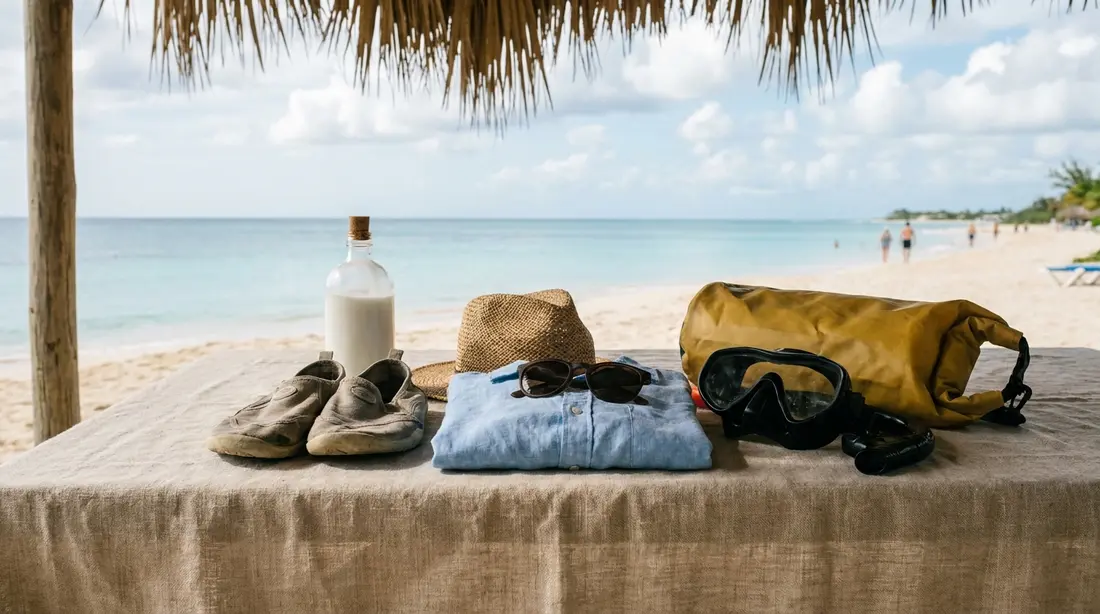
Reef-safe sunscreen, real shoes for the tide pools, a light layer for the Christmas Winds — and almost nothing else.
You need less than you think. Every home in our portfolio has a washing machine, the shops carry what you forgot, and the dress code tops out at a collared shirt. This page is the long version of that sentence: what to pack for St. Croix, and the island-specific reason behind every item on the list. Anything without a reason stays home.
Pack half, wash mid-week
The math that shrinks the suitcase: all twelve of our villas and condos list a washing machine among their amenities, and eleven pair it with a dryer. A seven-night trip therefore needs about three or four days of clothing, run through the laundry once around midweek, usually while you are at the beach anyway. Clothes dry fast in trade-wind air even without the machine; a swimsuit rinsed at night is wearable by breakfast most of the year.
The second half of the argument is geography. St. Croix is a U.S. territory with U.S. supermarkets, U.S. pharmacies, and U.S. hardware stores. A forgotten phone charger, a lost hat, a burned-through tube of sunscreen — all replaceable within a twenty-minute drive of any villa, sometimes at island prices, always without drama. The only things hard to replace on short notice are prescription medication, a snorkel mask that fits your particular face, and shoes already broken in for a trail. Those three get suitcase priority. Everything else is a convenience decision.
Airline logic points the same direction. Most routes here involve a connection, and a carry-on-only trip removes the one failure mode a checked bag adds. Packing for three days instead of seven is what makes carry-on-only possible for a family.
What the villa already provides
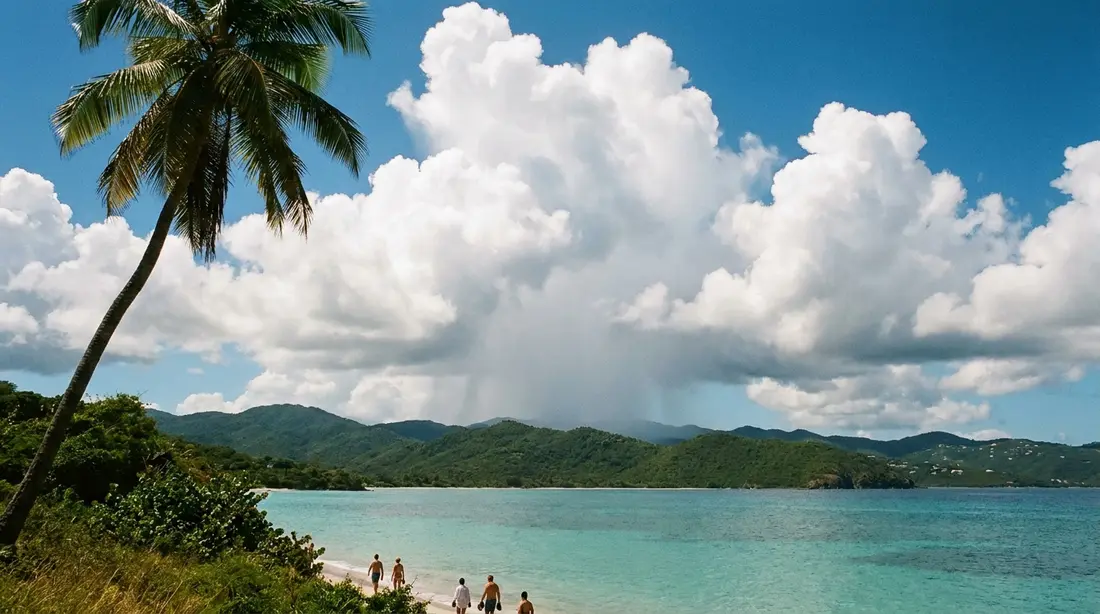
Before buying anything, read your villa's amenity list — it is on the property page, and it comes straight from the listing. Across our twelve homes, some things are universal and some vary, and knowing which is which saves both money and suitcase space.
- Universal, all twelve homes: a full kitchen, bed linens, air conditioning, ceiling fans, a washing machine, free parking, a first aid kit, a smoke detector, and a fire extinguisher.
- Nearly universal: a dryer, hot water, a coffee maker, a hair dryer, and cooking basics (eleven of twelve each, at last check).
- Common enough to check: eleven homes list "beach essentials" — the catch is that the phrase covers different bundles at different houses. At one home it may mean towels, chairs, and a cooler; at another, towels only. Bath towels appear on some lists and are simply assumed on others. If beach chairs, a cooler, or boogie boards matter to your week, confirm what your specific villa stocks before you fly, or ask us — we answer the same day.
- Occasional: irons (seven homes), ice makers, hammocks, board games, a high chair or travel crib at a couple of the family-oriented houses. Never assume kids' equipment; verify it.
The practical rule: linens and the kitchen are solved everywhere, beach gear is probably solved, and anything child-specific needs a conversation first.
Documents and money, briefly
U.S. citizens fly here without a passport, and since February 2026 the checkpoint standard is a REAL ID-compliant license or a passport in its place — the full paperwork picture, including the airport's return-trip citizenship check, is in first-time visitor tips and no passport needed. Money is the U.S. dollar and your usual cards, with a fold of cash for La Reine Chicken Shack, the Domino Club, and roadside stands; the details live in money and tipping. For the suitcase, this whole category is a wallet and maybe a birth certificate for a minor. Move on.
Daytime clothing
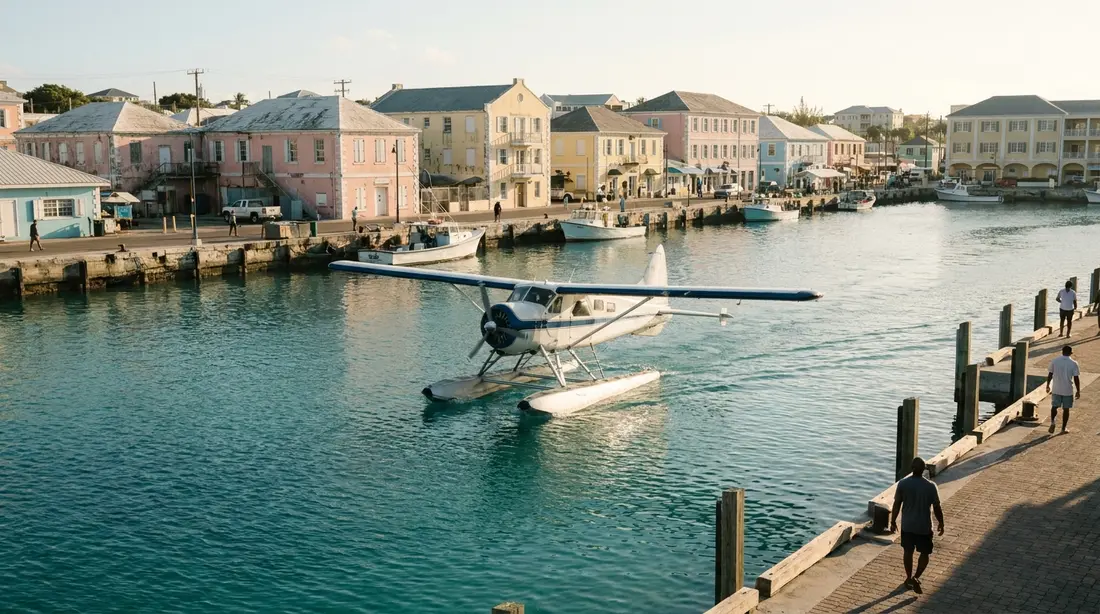
St. Croix sits at 17 degrees north, closer to the equator than Hawaii, and the ultraviolet arithmetic at that latitude is unforgiving of mainland packing habits. The cotton T-shirt that feels like sun protection is barely any: the Skin Cancer Foundation rates an ordinary white tee at roughly UPF 7 dry — and about UPF 3 once wet, which on a snorkeling trip is its permanent condition. Rated sun clothing starts at UPF 30 and the good pieces carry UPF 50, a difference measured in whether the back of your shoulders survives day two.
So the daytime wardrobe is built around two or three long-sleeve UPF sun shirts — the thin, quick-dry kind sold for fishing and paddling — worn loose over a swimsuit and treated as the default garment for any hour on or near water. Around them, pack light: a few T-shirts, two pairs of shorts, two or three swimsuits so one is always dry, and one set of quick-dry clothing for the day that includes both a hike and a lunch. Cotton is fine for dinner; on the water it is dead weight.
Skip anything heavy. Daytime temperatures run in the mid-80s nearly year-round, the sea stays swimmable through every month, and nothing on the island's calendar calls for long pants before sunset. The one seasonal adjustment is wind: from mid-December to mid-March the Christmas Winds blow brisk and steady, which mostly means your hat needs a chin strap and your beach umbrella needs an anchor. The full month-by-month picture is in weather and when to visit.
Evening clothing
Island-nice, defined concretely: a collared short-sleeve shirt or a clean polo with shorts or lightweight pants for men, a sundress or a top with a skirt or pants for women, sandals on everyone. That outfit clears every restaurant on St. Croix, from the boardwalk bars to the white-tablecloth rooms. The most formal published standard we can find on the island is at The Buccaneer's Terrace restaurant, which asks for collared shirts for gentlemen and evening resort wear for women at dinner — and that is the ceiling, at last check, at the resort end of fine dining on St. Croix. No jacket, no tie, no closed-toe requirement anywhere we know of. Leave the blazer at home; it will hang in the villa closet reproaching you.
Pack two or three of those evening outfits and rotate them through the washer. One light layer belongs in the bag in every season — a long-sleeve shirt or thin windbreaker — for three specific moments: the breezy ride home from a sunset sail, an evening under the Christmas Winds, and the shaded damp of the rainforest late in the day. A sweater is the heaviest garment this trip can justify.
One respect note: Crucians dress well for church, funerals, and formal community events. If your trip includes an invitation to any of these, beach clothing is the wrong answer — pack or buy one modest outfit and you will be received warmly.
The sun system
Sunscreen is a legal question here before it is a shopping question. The U.S. Virgin Islands prohibits sunscreens made with oxybenzone, octinoxate, or octocrylene — the territory's "toxic three O's" law, phased in during 2020 and in full effect since March 30 of that year, covering possession as well as sale. Check the ingredient panel on whatever is already in your bathroom, because octocrylene in particular still shows up in mainland products with reef-friendly marketing on the front label. The simple compliant choice is a mineral formula whose active ingredients are zinc oxide, titanium dioxide, or both. Island shops stock compliant bottles if you would rather buy after landing.
The deeper packing insight is that lotion is the backup system, worn where fabric is impractical. Covering skin beats coating it: the UPF shirt from the clothing section handles your torso and arms for hours at a stretch with no reapplication clock, no missed patches, and no film on the reef. Build the rest of the kit around that idea:
- Mineral sunscreen for face, neck, ears, and the backs of hands and knees — the fabric gaps.
- A real hat with a chin strap. The trade winds are the island's constant, and an unstrapped hat becomes litter on its first boat ride. Brimmed and strapped beats stylish and gone.
- SPF lip balm — lips burn first on the water and nobody remembers them until they have.
- Polarized sunglasses with a retainer strap, for glare and for the same wind that takes hats.
- Aloe or after-sun gel, because someone in the group will need it by day three no matter what this page says.
Reapply lotion after every long swim; even water-resistant formulas surrender eventually. And treat 10 a.m. to 2 p.m. shade as part of the system — the villa deck exists for a reason.
Feet, from reef to trail to town
Three kinds of footwear cover the whole island, and only one of them is negotiable.
Water shoes or reef booties. The soft-sand beaches — Rainbow, Dorsch, The Shoys, Chenay — need nothing on your feet. The case for water shoes is everywhere else: rocky and rubble-strewn entries where long-spined sea urchins sit wedged in crevices exactly where a bare foot lands, the stone shelf at the Annaly Bay tide pools, and the reef-edged East End bays. A stepped-on urchin ends swimming for days. Thin-soled reef shoes pack flat, weigh nothing, and double as kayak footwear on a bio bay night paddle.
Trail shoes, only if you have trail plans. This is the "real shoes" line from every packing conversation about St. Croix, and it is conditional. The Annaly Bay tide pool hike runs about 3.6 miles round trip with 550 feet of gain and finishes across wet rock; Goat Hill climbs loose stone to its 672-foot ridge; the path into Jack's and Isaac's Bays is lined with cactus that punishes open shoes. Closed-toe trail runners or hiking shoes, already broken in, handle all three. If your week contains no ridge and no tide pools, skip the category entirely — see hiking on St. Croix to decide.
Town sandals. One decent pair carries you through Christiansted's arcaded sidewalks, every restaurant, and every boat deck. Heels fight the old pavement and win nothing.
Snorkel gear: bring it or rent it
The one piece worth flying with is the mask, and the reason is fit rather than quality. A mask seals against the specific geometry of your face; a rental bin is a lottery, and a slow leak turns a ninety-minute reef swim into a chore of clearing and readjusting. If you own a mask you have already used in open water, pack it — it flattens into a corner of any bag with the snorkel alongside. Fins are the judgment call: they add real bulk, shore snorkeling here works without them for casual swimmers, and rentals cover the gap for the days you want propulsion.
Renting is easy in exactly three situations and inconvenient everywhere else. Dive shops at Cane Bay and in Frederiksted rent snorkel sets and add current local knowledge about where the day's water is best. West End Water Sports operates directly on the sand at Rainbow Beach, the island's one walk-up beach rental. And every Buck Island boat tour includes gear in the trip. Away from those three — The Shoys, Chenay Bay, the East End preserve beaches, Davis Bay — there is no rental within reach, so gear travels in the car or the snorkeling does not happen. Spot-by-spot detail is in snorkeling St. Croix, and divers should read scuba diving St. Croix before deciding what personal kit justifies its weight.
Two water accessories earn their space for specific outings: a bright inflatable snorkel float if you will swim where boats run, and the dry bag covered below.
The electronics kit
Start with what you can leave out: every plug adapter and voltage converter you own. The territory runs the same 110-volt current and the same outlet shapes as the mainland; your chargers work here exactly as they do at home. That single fact deletes a whole pouch from most international packing lists.
What goes in instead is small and specific:
- A dry bag, 5 to 10 liters. The workhorse of the trip. It rides the kayak on Salt River, holds phones and wallets on the Buck Island crossing, keeps a camera dry through a passing squall at the beach, and hangs off a paddleboard. Roll-top, cheap, nearly weightless.
- A phone leash or buoyant waterproof pouch for boat days. Catamaran rails and phone photography are natural enemies, and the sea between here and Buck Island is 40 to 90 minutes deep in regret. A $10 tether or a waterproof pouch that floats solves it; the pouch also lets you shoot from the water.
- A power strip. Villas are houses, and houses put outlets where furniture wants them rather than where six devices need them. One travel power strip turns any bedside outlet into the family charging station.
- A charged power bank. The island grid blinks now and then — a flicker or a short pause, treated locally as weather. A power bank plus the small flashlight below makes an outage a non-event; the fuller villa briefing is in the first-time visitor tips guide linked above.
- A small flashlight or headlamp. For the walk back from the Frederiksted pier after a night dive, for finding the villa keyhole after a late dinner, and for the near-total dark of rural roads at night. Phones substitute badly when they are also the navigation.
Cameras: bring what you already shoot. The one addition worth considering is any waterproof housing you own, since the best pictures of this trip are taken at or under the surface.
Bug defense
Two insects run the evening shift here: mosquitoes, and the no-see-ums whose bite arrives before any visible cause. Both concentrate at dawn and dusk, near mangroves, in the rainforest's still air, and anywhere recent rain has left standing water — which makes the green months, May through November, the higher-pressure season. The safety guide, linked in the medicine section below, covers the health side; this section is about what goes in the bag.
Buy repellent at home, where the brand you trust is on the shelf, rather than gambling on selection after the first bites. Pick a formula built on DEET or picaridin at a working strength — 20 percent or better — and note that picaridin earns its place in a beach bag by being gentler on plastics and sunglasses than high-DEET formulas. The ritual that works: repellent goes on at the same time the dinner reservation approaches, with special attention to ankles and feet, the territory both species favor. Pair it with the light long-sleeve layer already in your evening wardrobe and deck dinners stay pleasant.
Round out the pouch with an after-bite stick or hydrocortisone cream for the bites that land anyway, and — if your villa week is in green season — a small spray for the bedroom doorway hour at dusk. Sunscreen first, repellent second, in that order, per the standard guidance printed on both bottles.
The medicine pouch
St. Croix has real pharmacies in and between both towns, and every one of our twelve homes lists a first aid kit. What neither fact solves is specificity: island stock runs to the common brands, a particular allergy medication or contact-lens solution may mean a hunt, and a villa kit covers cuts and scrapes rather than your family's actual needs. So the pouch travels from home:
- Prescriptions in their labeled pharmacy containers, packed in the carry-on, with enough supply to outlast the itinerary by several days in case of a schedule change.
- Motion-sickness tablets if anyone doubts their stomach — the Buck Island crossing and the seaplane both reward preparation taken before departure, when it still works.
- The minor-injury basics: adhesive bandages, blister care for trail days, antibiotic ointment, tweezers (sea urchin spines and cactus country both argue for them), and antihistamine tablets.
- Your preferred painkiller and stomach remedy — findable on island, faster from the pouch at 10 p.m.
- Extra contacts or a backup pair of glasses. Salt water and lenses feud all week.
For what to do when the reef or the sun wins a round anyway — urchin spines, coral scrapes, stings — the treatment guidance lives in safety and common sense, along with where the hospital and clinics are.
What not to bring
The drone, for most trips. The island's most photogenic places are exactly where flying is illegal. The National Park Service prohibits launching, landing, or operating unmanned aircraft anywhere in Buck Island Reef National Monument, Christiansted National Historic Site, and Salt River Bay National Historical Park without written approval from the superintendent, and federal refuge rules (50 CFR 27.34 among them) keep drones out of Sandy Point and the territory's other national wildlife refuges. That removes Buck Island, the bio bay, the fort waterfront, and the famous two-mile beach from any flight plan. Elsewhere on island, standard FAA rules apply — so a drone is legal at, say, an East End villa with the owner's blessing — but weigh the case-space against how much of the island is off-limits.
The speargun and the Hawaiian sling, unless you have done the homework. Spearfishing exists legally in USVI territorial waters, and it comes wrapped in rules: DPNR announced recreational fishing license requirements in 2022, several species are protected from spear or harvest outright — lobster may never be taken by spear, and Nassau and Goliath grouper are prohibited year-round — and possession alone of spearfishing equipment is illegal in the closed areas, including all of Buck Island Reef National Monument (where every form of fishing gear is banned) and the Salt River sanctuary, which specifically outlaws possessing a spear gun. A visitor who has read the current DPNR fisher's handbook and holds the license can pack accordingly; everyone else should leave the hardware at home and book a licensed fishing charter instead.
The metal detector, for the historic parks. Possessing or using a metal detector is flatly prohibited on National Park Service land, which on St. Croix includes the Christiansted waterfront, Salt River Bay, and Buck Island. Rules for territorial beaches are less clearly published — if beach detecting is the hobby, ask DPNR before packing the rig rather than testing the question in a park.
Also staying home: the passport (for U.S. citizens — though it remains the cleanest ID if your license lacks the REAL ID star), every power adapter, the blazer, the hair dryer (eleven of twelve villas have one), beach towels if your villa's listing includes them, and any plan that involves hurrying.
Additions for kids
Children need the adult list scaled down plus a short list of their own, and the guiding principle doubles: fabric beats lotion twice as hard on a squirming child, so rash guards in kid sizes — two per child, so one is always dry — are the single highest-value items in the family bag. Add to them:
- Swim diapers for the youngest — buyable on island, easier from home in your preferred brand.
- Kid-size masks and flotation. Rental fleets stock adult gear first; a child's mask that fits is worth its bag space, and a familiar swim vest beats an unfamiliar one.
- Water shoes in kid sizes, for the same rocky-entry logic as the adult pair — plus the general truth that children find the one urchin on an otherwise sandy bottom.
- Car seats: bring your own or reserve with the rental-car company when you book the car — supply is finite, like everything else in the island's fleet. See renting a car.
- The boredom kit: downloaded shows for the flight, one deck of cards for the villa. Board games appear on a few villa listings; verify rather than assume.
Travel cribs and high chairs exist at some homes and are absent at others — this is the top item to confirm before booking if you travel with an infant. The wider family playbook, from which beaches suit toddlers to the ages the boat tours accept, is in traveling with kids, alongside the family week itinerary it links.
Seasonal adjustments
The core list barely moves across the calendar, which is one of St. Croix's quiet virtues. Three adjustments cover the year. In the Christmas Winds months, mid-December to mid-March, the light layer gets promoted from bag-bottom insurance to nightly use, and hats without chin straps stop coming home. In green season, May through November, the repellent doubles and the dry bag earns daily work from passing showers. And from June through the end of November, hurricane season asks for planning flexibility rather than any object in a suitcase — the insurance-timing rule and the realistic picture of those months are in hurricane season. Visitors in March through July who hope to see turtle nesting should note that Sandy Point closes entirely from April 1 through August 31 and pack patience along with the red-filter flashlight the guided programs recommend.
The checklist
| Category | Pack | The island reason |
|---|---|---|
| Sun | 2-3 UPF sun shirts, mineral sunscreen (zinc/titanium), strapped hat, SPF lip balm, polarized sunglasses, aloe | 17 degrees north; the three-O sunscreen ban; trade winds take unstrapped hats |
| Water | 2-3 swimsuits, mask you trust, dry bag, snorkel float, rash guards | Rentals exist at three spots only; your own mask seals; boats and squalls soak everything else |
| Feet | Water shoes, town sandals, trail shoes if hiking | Urchins in rocky entries; Annaly's wet rock and Goat Hill's loose stone; nothing requires more than sandals at dinner |
| Clothing | 3-4 days of light clothes, 2-3 island-nice evening outfits, one long-sleeve layer | Every villa has a washer; collared shirt or sundress clears every restaurant; Christmas Winds, boat rides, rainforest shade |
| Electronics | Power strip, power bank, flashlight or headlamp, phone leash or buoyant pouch | U.S. outlets so no adapters; grid blinks occasionally; dark rural roads; 40-90 minutes of open water to Buck Island |
| Health | Prescriptions in labeled bottles, DEET or picaridin repellent, after-bite, motion-sickness tablets, blister care, tweezers, spare glasses | Pharmacy selection varies; dusk mosquitoes and no-see-ums; boat crossings; cactus trails and urchins |
| Paper and money | REAL ID or passport, insurance card photo, small bills | Domestic flight rules; cash-first institutions like the chicken shack and the Domino Club |
Questions guests ask
Do the villas provide beach towels and chairs?
Usually, with a catch worth thirty seconds of reading. Eleven of our twelve homes list "beach essentials" among their amenities, and the bundle behind that phrase varies house to house — towels at minimum, often chairs and a cooler, sometimes more. The amenity list on each property page comes straight from the listing, so check yours for the specifics, and message us if the answer decides whether chairs make your suitcase. Bath towels and bed linens are provided everywhere; nobody needs to fly linens to St. Croix.
Can I buy reef-safe sunscreen on the island?
Yes. Because the three-O ban applies territory-wide, what island stores sell is compliant by default — supermarkets, pharmacies, and dive shops all carry mineral formulas, at prices somewhat above mainland big-box levels. Packing a tube from home saves a few dollars and keeps you on your preferred brand; buying here saves bag weight and removes any customs-of-your-own-bathroom risk of accidentally importing a banned formula. Either path works. What fails is assuming a mainland bottle labeled "reef friendly" complies — check the ingredient list for octocrylene in particular.
Do I need water shoes at every beach?
No. The famous soft-sand entries — Rainbow, Dorsch, The Shoys, Chenay Bay, Sandy Point in its open season — are barefoot beaches in the best sense. Water shoes earn their place at the rocky and mixed entries, around reef and rubble on the East End bays, and on the stone shelf at the Annaly tide pools. Since thin reef shoes cost little and pack flat, the sensible move is bringing them and deciding at each beach, rather than deciding once at home.
Should I bring my own snorkel gear or rent?
Bring a mask if you own one that fits; decide everything else by itinerary. Fit is the whole game with masks, and rental bins fit nobody in particular. Fins and vests rent easily at Cane Bay, Frederiksted, and Rainbow Beach, and every Buck Island tour includes full gear. If your week leans on the rental-free beaches — The Shoys, Chenay, Jack's and Isaac's — carrying a complete set in the car is what makes spontaneous snorkeling possible. Families with children should bring kid-size masks regardless; rental stock runs adult-first.
What do people wear to dinner on St. Croix?
Sundresses, collared shirts, polos, nice shorts or lightweight pants, sandals. The island's most formal published standard, at last check, is evening resort wear at The Buccaneer's Terrace — collared shirts for men — and nothing anywhere requires a jacket or tie. Beachwear and cover-ups read as too casual at the white-tablecloth rooms; everything one notch above that is welcome everywhere. If dressing up is part of the fun for you, a linen shirt or a favorite dress will feel right at the fine-dining end without ever being required.
Can I fly a drone at the beach?
Depends entirely on whose beach. National Park Service sites — Buck Island, the Christiansted waterfront, Salt River Bay — prohibit launching, landing, or operating drones without written approval, and national wildlife refuges including Sandy Point are closed to them under federal refuge regulations. Outside those boundaries, normal FAA rules govern: registration, altitude limits, visual line of sight, and respect for people below. Many of the shots visitors want most sit inside the protected zones, so decide whether the remaining airspace justifies the case space before packing it.
Is there anything I should pack that surprises people?
Three items win the most gratitude by trip's end. A travel power strip, because villa bedrooms have house-normal outlet counts and vacation-abnormal device counts. Tweezers, because cactus spines at Jack's Bay and sea urchin encounters both end better with them than without. And the chin-strapped hat — everyone packs a hat, and the trade winds sort the strapped from the unstrapped by about day two. The theme across all three: the island is easy, the wind is real, and houses beat hotels only when you charge, hike, and dress like you live there.
Packing for a villa week
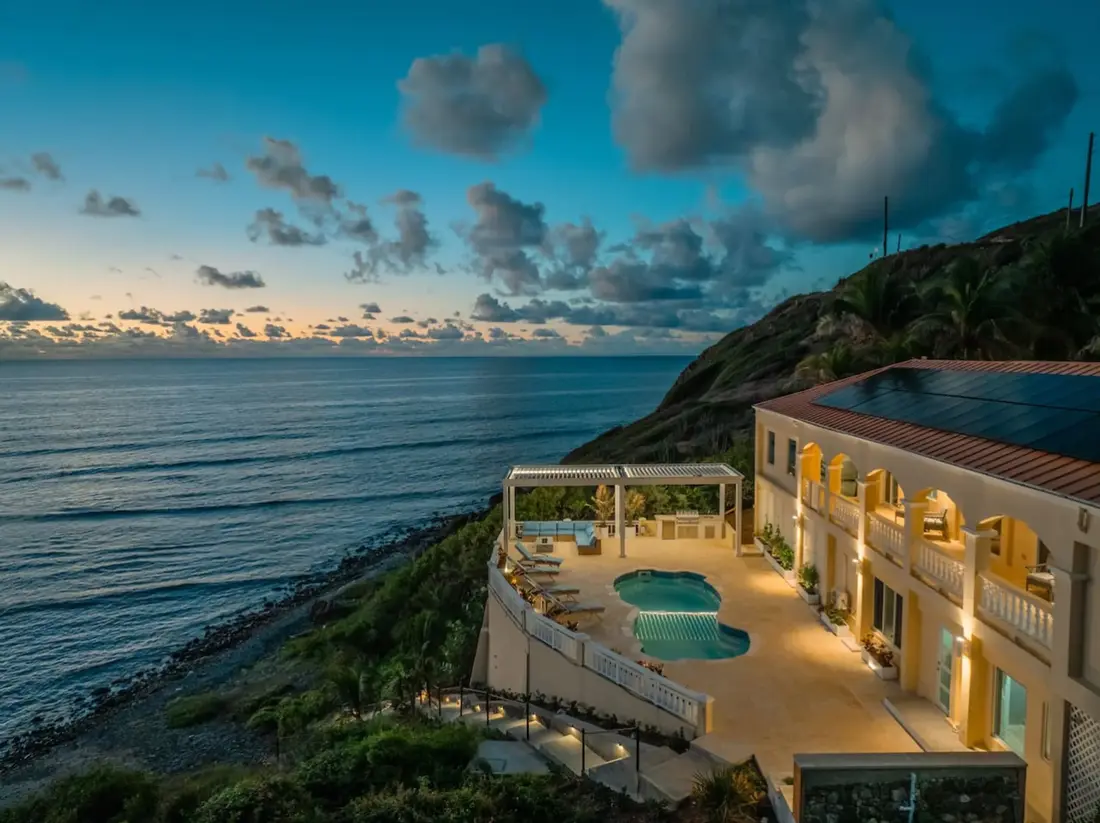
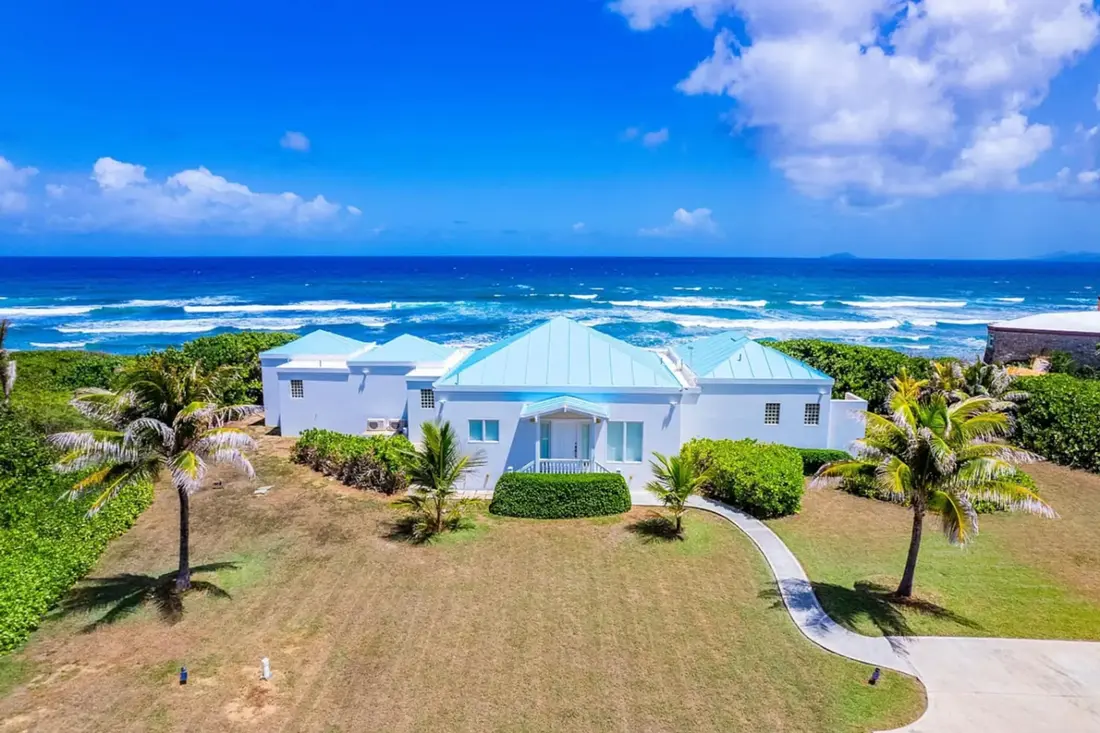
This list is short because the houses do the heavy lifting. A washer in every home means half the clothes; a full kitchen means groceries instead of restaurant logistics; a first aid kit, linens, and — at most homes — a bundle of beach gear mean the suitcase carries only what is personal: your mask, your shoes, your prescriptions, your sun system. Check the amenity list on any property page, from Shoy's Beach House on its own sand to The Cerulean facing Buck Island, and pack against what your week's home already owns. Browse all twelve on the villas and condos page, or start with the beachfront homes if the dry bag and reef shoes are the part of this list you are most excited about. Questions about what a specific house stocks — chairs, coolers, cribs — reach us through the property page and get answered before you zip anything.
Sources
Written from official and first-party sources, checked August 2026. Hours, prices and event dates change — confirm before you go.
In this guide
Stay nearby
On The Shoys beach: six bedrooms, six baths, pool and hot tub, room for twelve, and the beach through the back garden.
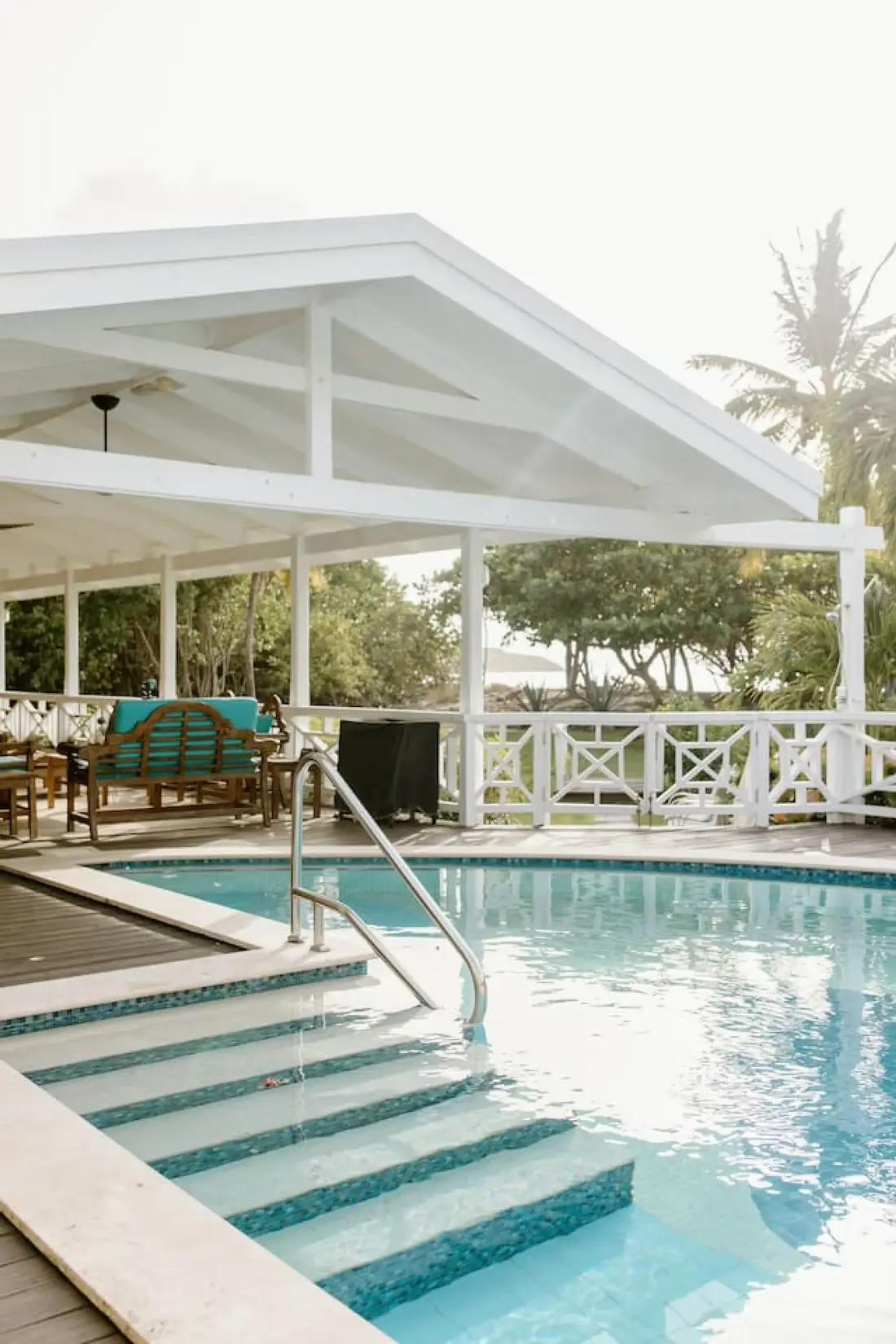 Shoy's Beach House6 bd · 6 ba · sleeps 12 · Christiansted
More in Plan Your Trip
Sources
8 references, listed in full at the end of this guide — official park, refuge, tourism-board and business sources, checked August 2026.