Corporate retreats on St. Croix
An offsite in the Caribbean that no employee can miss for passport reasons: U.S. soil, U.S. flights, whole villas for the team, and the meeting that finally isn't in the office park.
Every company retreat fights the same two enemies: logistics and an uninspiring room. St. Croix solves the first structurally — it's a U.S. territory, so an American team flies domestic, no passports, no customs, phones working on the tarmac — and the second by being a Caribbean island. This page covers running an offsite from our villas: the setup, the working days, the team days, and the numbers that matter.
The passport problem, deleted
Ask anyone who has organized an international offsite what went wrong and the answer involves documents: the engineer whose passport expired, the new hire whose renewal was stuck in processing, the visa question nobody owned. On St. Croix that entire failure class doesn't exist for U.S. citizens — a driver's license is enough, in both directions. The trip is domestic for airline purposes, expense reports stay in dollars, and the company's usual U.S. travel policy applies unmodified.
Getting a team here is a scheduling exercise, not an expedition: American flies Miami–St. Croix nonstop year-round in about three hours; Charlotte and Atlanta nonstops return on Saturdays in November and go near-daily from mid-December 2026; United's Newark Saturday nonstop starts October 31, 2026; Chicago joins with winter Saturdays. Everyone else one-stops through Miami or San Juan — the fly-from guides cover twelve metros. Staggered arrivals are normal; the airport is 15–40 minutes from every home we manage.
The villa as the offsite base
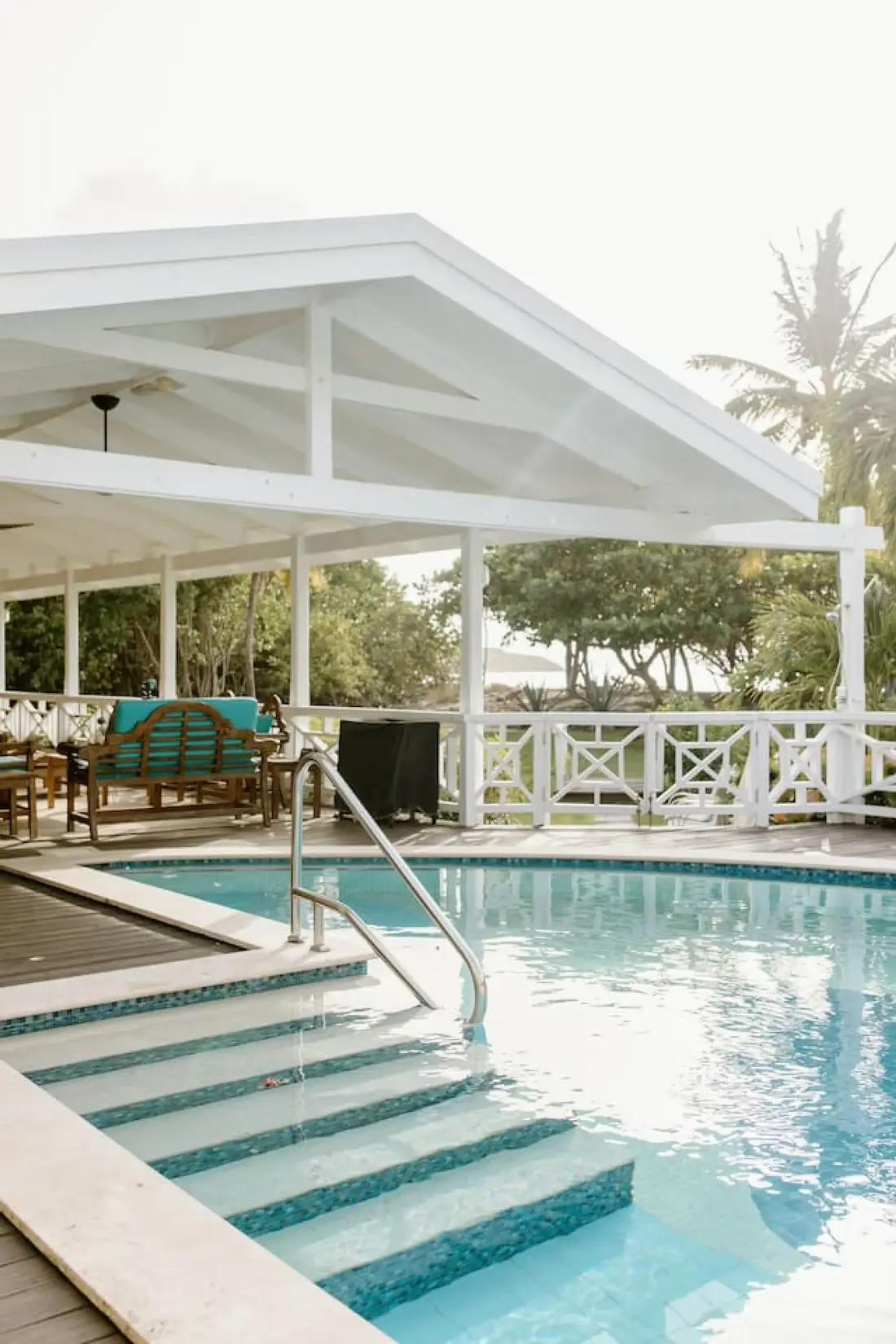
A retreat in a hotel is a conference with beds. A retreat in a house is different in kind: the team shares a kitchen, an 8 a.m. pool swim replaces the elevator small talk, and the whiteboard session happens at a twelve-seat dining table with the ocean behind it. Every home we manage lists internet; most list outdoor grills and big dining tables, and several list laptop-friendly workspaces. Nobody badges in.
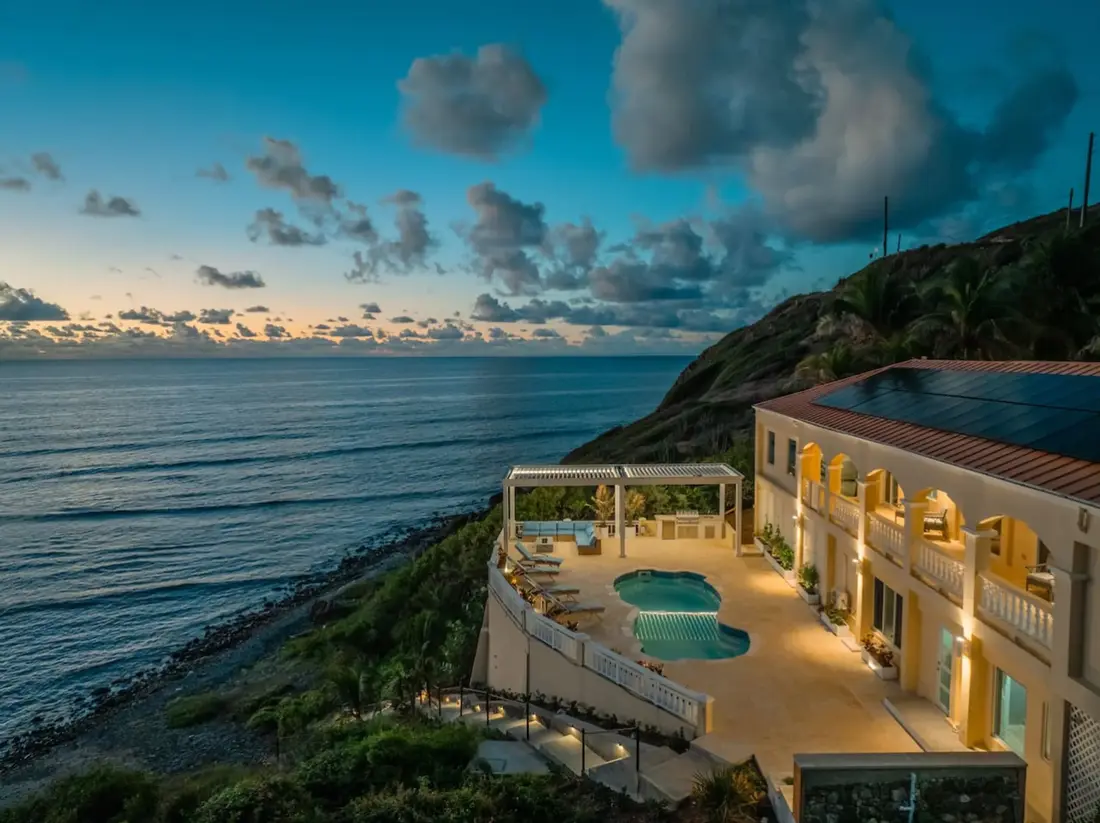
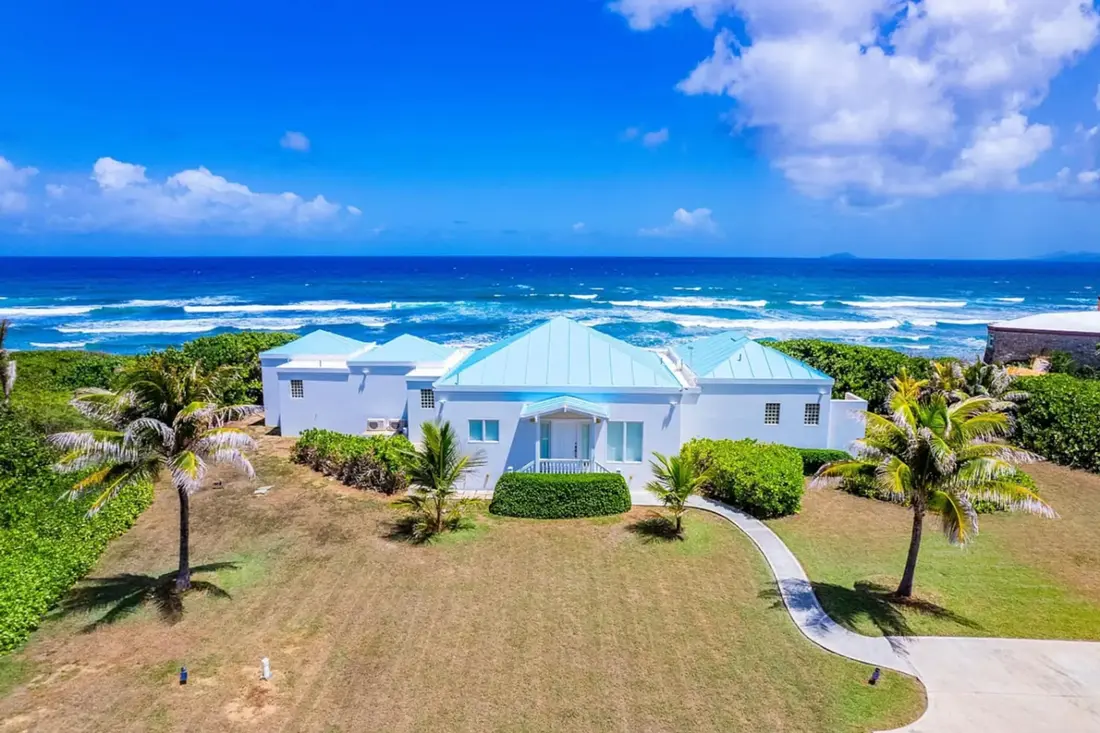
For a leadership group of up to twelve, one flagship home is the whole venue: The Cerulean (oceanfront compound, pool, outdoor kitchen, separate guest cottage), Shoy's Beach House (six bedrooms directly on The Shoys beach) or The Buck Island Overlook (five bedrooms and a private pool facing the monument). For twenty or thirty people, spread across neighboring homes — most of the portfolio clusters around Christiansted and the East End (see the map) — with the biggest house as the session-and-dinner hub. Several homes together is a normal request, subject to availability; start with the large-group homes.
One boundary worth knowing up front: the homes are lodging, and policies on larger gatherings differ home to home. If the plan includes hosting people who aren't staying — a client dinner, an all-hands beyond the sleeping head count — ask us first and we'll tell you what each home allows.
A working shape that holds
The retreat pattern that survives contact with a beautiful island: mornings for work, afternoons for the water, evenings for the long dinners the office never allows. Three focused mornings beat five distracted days.
A three-day offsite, field-tested shape
- Day 1 — arrivals staggered through the afternoon, grocery-and-grill evening at the lead house, agenda set over dinner.
- Day 2 — morning session at the big table (3–4 hours, phones in a basket), lunch at the house, afternoon Buck Island charter or distillery tour, boardwalk dinner in Christiansted.
- Day 3 — second working morning, decisions written down before lunch, afternoon free in smaller groups (golf, pier snorkel, pool), closing dinner with the one toast that matters.
- Day 4 — flexible departures
- the Miami nonstop puts most of the team home the same day.
The five-day version, for real work
Some retreats aren't offsites so much as sprints with a view — a product push, an annual plan, a diligence week. The island supports that shape too, and the adjustments are small: hold the same house for the full week so nobody re-packs mid-sprint, run four working mornings instead of two, and spend the boat day in the middle rather than the end, where it actually resets a tired room. Every home lists internet and the big tables hold a war room's worth of laptops; several homes list laptop-friendly workspaces for the calls that need a door.
The time zone helps more than teams expect: St. Croix sits on Atlantic Standard Time year-round — one hour ahead of U.S. Eastern in winter, level with Eastern during daylight-saving months — so a working week here stays in sync with East Coast clients, with the West Coast three to four hours behind. Morning sessions end before New York's lunch; nobody takes a 5 a.m. standup.
Remote teams, meeting in the middle
For a distributed company, the retreat is the one week the team exists in one room, and the room matters double. St. Croix's case for that week is the same one that runs through this page — domestic flights from everywhere the team lives, no passport risk across a long roster — plus a practical detail: the arrival board spreads the load. Miami connects the whole country daily; Charlotte, Atlanta, Newark and Chicago nonstops catch the East and Midwest directly, and San Juan's short hop mops up the rest. Fifteen fly-from guides exist precisely so an organizer can paste each teammate their own routing.
Shape-wise, remote teams tend to invert the ratio: fewer slide sessions, more unstructured hours, because the scarce resource is time in the same kitchen. A house does that better than any conference floor — the standing joke that the real roadmap gets written at the grill has data behind it by Thursday.
Team afternoons that need no icebreaker
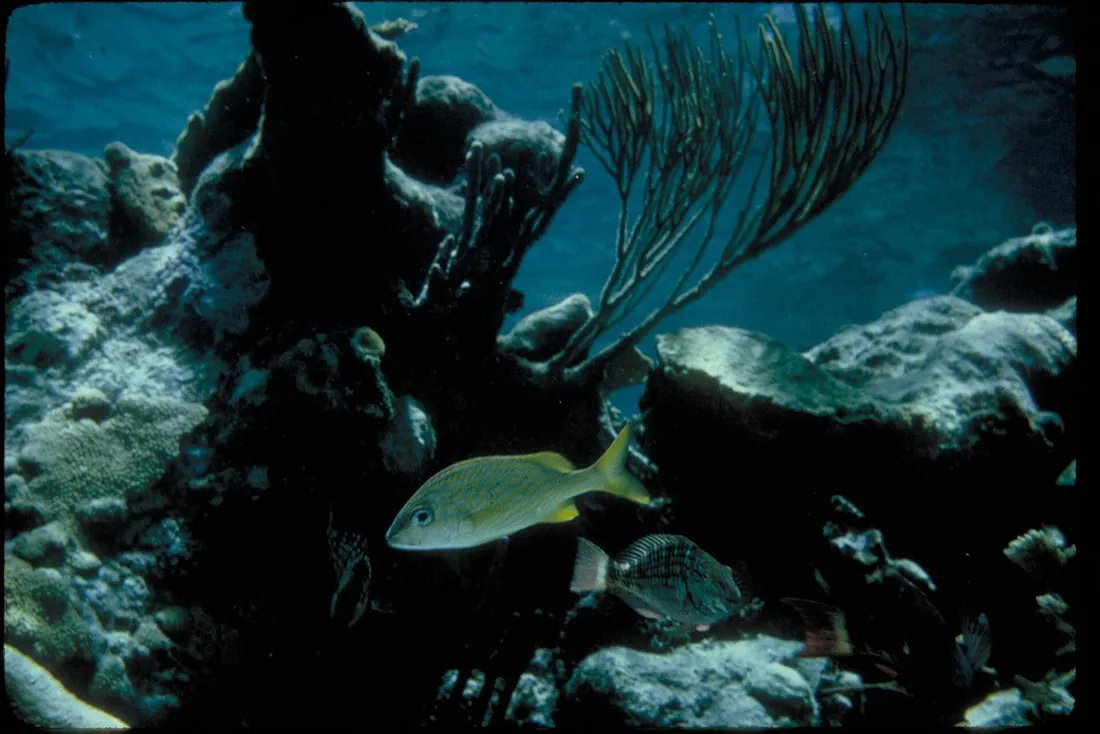
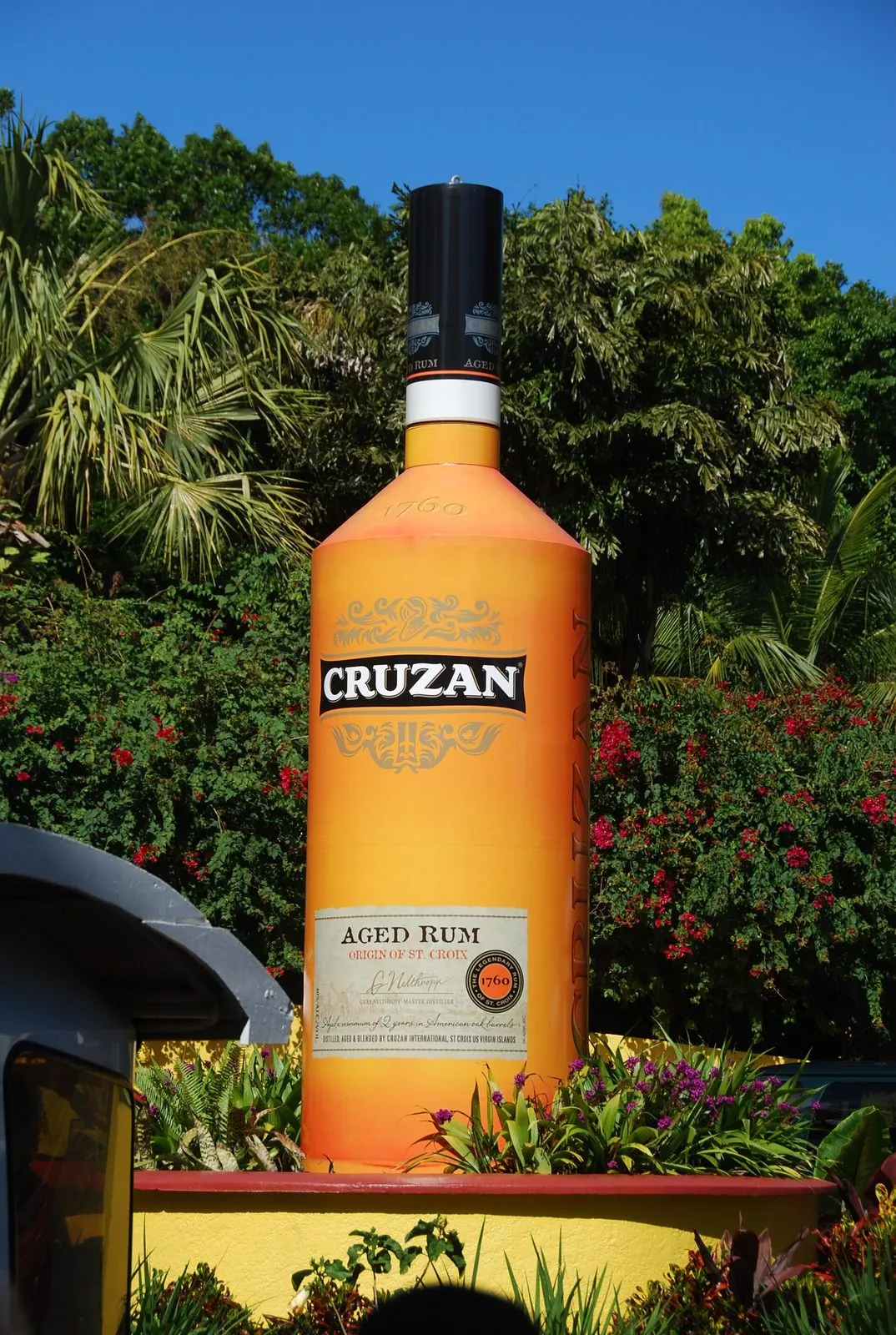
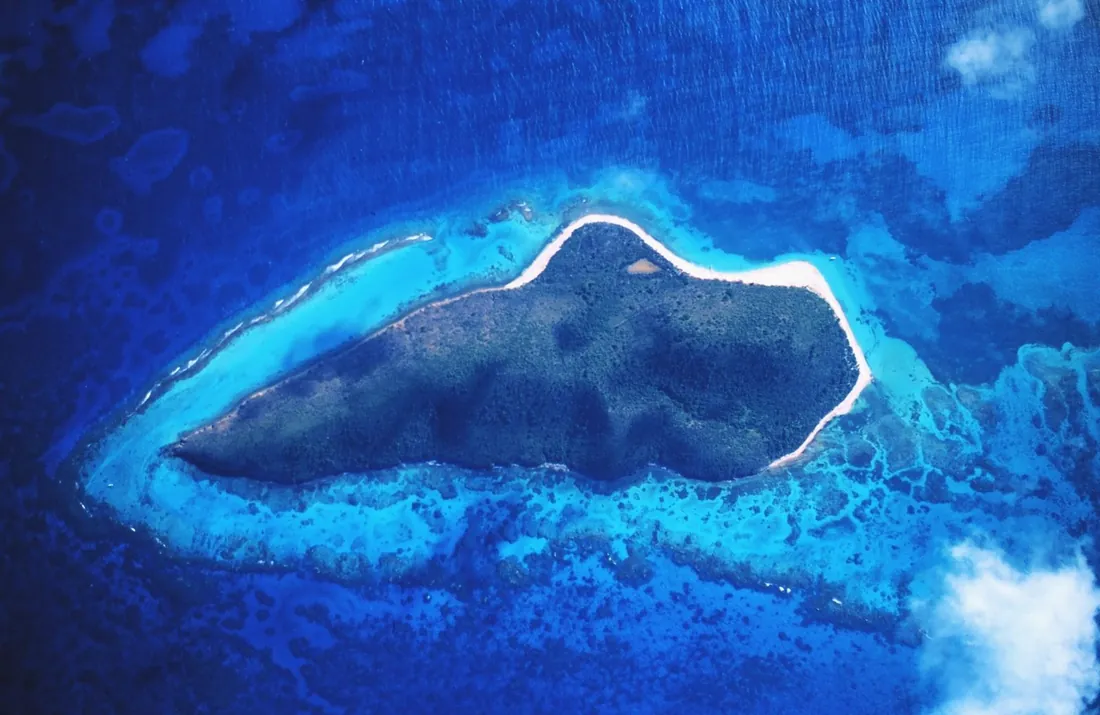
Skip the trust falls; the island does the bonding. The flagship team outing is a group charter to Buck Island Reef National Monument — protected since 1961, ringed by an elkhorn barrier reef, with a marked underwater snorkel trail and Turtle Beach for the non-swimmers. Five NPS-permitted operators sail from Christiansted and handle groups routinely. The land alternatives sort by taste: tours at the Cruzan distillery (rum at Estate Diamond since 1760) or Captain Morgan's visitor center; golf at Carambola, the Robert Trent Jones Sr. course from 1966, or The Buccaneer's oceanside 18; and for the memorable one, night kayaks on the Salt River bioluminescent bay — one of the world's few that glow year-round, brightest on dark-moon nights.
Everything above is an established operation from our experiences index, most within 30–45 minutes of the homes. For mixed groups, the boat wins: nobody needs gear skills to enjoy a catamaran.
The all-hands dinner, out of the house
Most retreat evenings feed themselves — the grill, the boardwalk, the beach bar — but one night usually wants to be an occasion, and the island supplies venues so the houses don't have to stretch past their lodging role. Christiansted's restaurant district handles a mid-size group dinner with water-side tables and an 18th-century town for the walk after. A chartered catamaran turns dinner into a sunset sail out of Frederiksted — Lyric Sails' 63-footer carries live music with it. And for a large function, St. George Village Botanical Garden hosts banquets and special events among the ruins of a Danish sugar plantation, with a Great Hall listed around 250 seats per the venue's materials — terms confirmed with the garden directly.
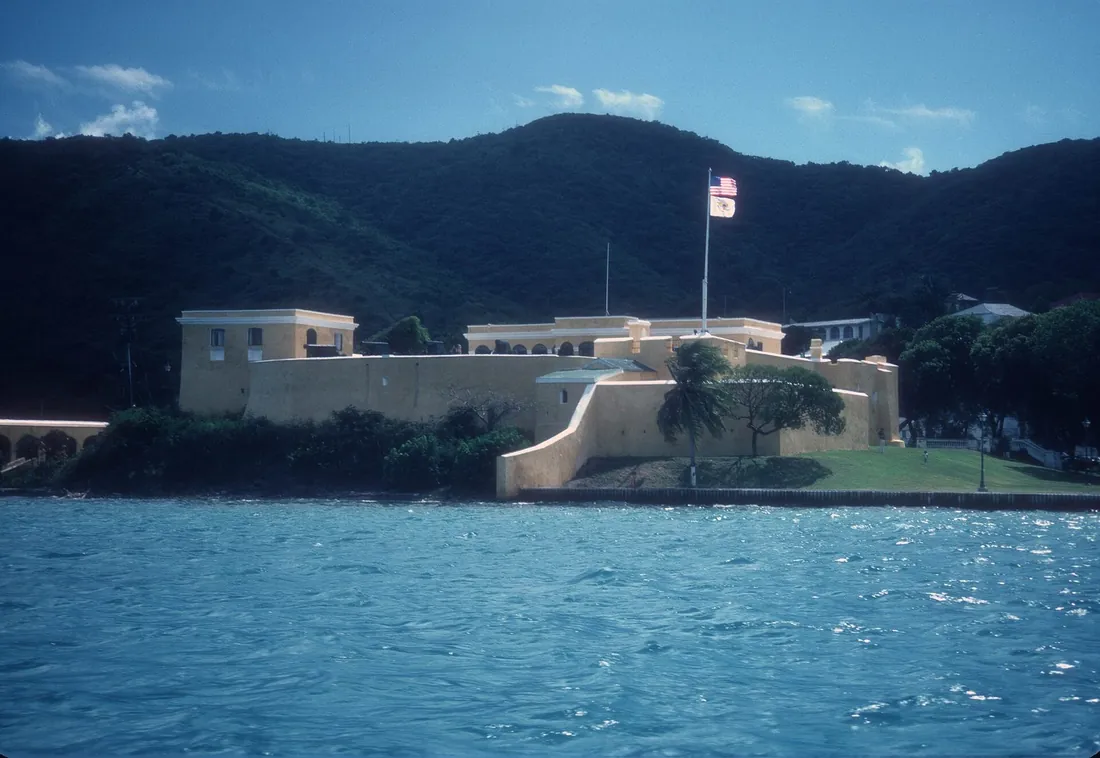
The park sites — the Christiansted fort grounds among them — host events only under an NPS special-use permit (340-773-1460), which needs lead time and buys a backdrop nobody's all-hands has had before. Whichever version fits, we house the team minutes away and the venue does the hosting; if the plan involves guests beyond the sleeping head count at a home itself, that stays an ask-us-first conversation.
Weather planning, for the organizer
An organizer committing budget wants the weather framed, so: winter days run near 83°F, summer near 88°F, and rain mostly arrives as short passing showers rather than lost days. June through November is hurricane season, statistically peaking August and September — which is exactly when the value pricing lives, so the trade is real and manageable rather than reckless. The management kit for a season-window retreat: trip insurance on the file, flexible booking terms, a weather clause with every vendor, and a rain plan that names names (the distillery tours, the fort, the brewery) instead of saying "flex time."
The hurricane-season guide carries the fuller picture. The short version for a planning memo: December through April needs no contingency paragraph at all, and September through November needs one real one.
When to bring the team
Corporate calendars and island seasons line up conveniently. The budget play is September through November — the quietest, greenest, best-priced months, carrying hurricane-season terms: insure the trip, favor flexible bookings, and read the season guide before picking the week. The sure-weather play is January through April — the dry, breezy peak, at peak group-demand — where multi-home bookings want several months of lead. May–July splits the difference; December belongs to holidays and the "Christmas Winds."
| Quarter | Island reality | Retreat fit |
|---|---|---|
| Q1 (Jan–Mar) | Dry, breezy peak season | Kickoffs and planning offsites — book early |
| Q2 (Apr–Jun) | Peak tapers, drier lull starts | Post-close decompression, easier availability |
| Q3 (Jul–Sep) | Warm, quiet, hurricane-season rules | Deep-value working retreats, insured and flexible |
| Q4 (Oct–Dec) | Green season ends, winds arrive, nonstops multiply | Year-end strategy weeks before the holidays |
What to tell the team before wheels-up
The pre-trip briefing writes itself, which is part of the destination's charm. ID: a driver's license or other REAL ID — no passport for U.S. citizens, and no customs form on the way home (there's a short agriculture pre-check at the airport). Phones: U.S. networks, area code 340, no international plan needed. Money: the dollar, ordinary cards. Cars: book rentals early for a group — driving is on the left, in familiar left-hand-drive cars, which takes each driver about a day to stop narrating. Groceries: stock the lead house on day one; every home has a kitchen and most list a grill.
Arrival day, without the scramble
Retreat arrivals are never synchronized, and the island absorbs that gracefully if the organizer plans for it once. The pattern: route everyone through the Miami nonstop or their city's Saturday direct, let arrivals spread across the afternoon, and station the first-arriving car owner on grocery duty for the lead house. The airport sits 15 to 20 minutes from Christiansted and 30 to 40 from the East End homes, so even a 6 p.m. lander makes the first dinner. Name the rental-car drivers before the trip — one car per four people covers the island's 22-mile length — and put the first evening on the grill, where the agenda-setting happens without being scheduled.
Departure day runs the same logic in reverse: the Miami flight puts most of the team home the same night, and nobody's connection panic sets the checkout time.
Who this doesn't fit
Honesty saves everyone a discovery call: a villa-based retreat tops out around thirty people spread across neighboring homes. A 150-person all-hands with a general session and breakout rooms is a hotel-and-conference product, and the island's inventory for that is limited — we'd say so rather than wedge it. The fit here is leadership teams, functional teams, boards and companies up to a few dozen, staying in whole homes and meeting around real tables. Inside that envelope, nothing else in the Caribbean removes as much friction for a U.S. company; outside it, the corporate-events page covers the venue-scale occasions where we house the guests and a real venue hosts the function.
The St. Croix business angle
Some companies come for the offsite and leave curious. St. Croix hosts businesses in the U.S. Virgin Islands' Economic Development Commission program — a framework that has drawn financial-services, investment and consulting firms to the territory since 1986, with benefit terms on St. Croix running up to 30 years. It is a serious commitment with strict residency and substance requirements, not a retreat souvenir; if the principals want to look while they're here, the family-office page lays out the facts and the caveats, and a retreat week is a low-stakes way to see the island as a place of business. Executives arriving separately should read flying private to St. Croix — the airport takes any business jet flying.
Tell us the dates and the group; we will suggest the right home and handle the rest through one local team — no third-party booking desk.
See the homesTalk to usWhat the company actually pays for
The budget structure is short and mostly transparent before anyone commits. The homes anchor it — pricing and availability live on each home's booking page, booked direct with no agency margin stacked on — and around them sit domestic airfare (watchable, bookable on corporate cards like any U.S. trip), rental cars, the boats and tours quoted by their operators, and food that a shared kitchen keeps far under conference-hotel catering. There's no resort fee, no meeting-room rental and no AV contract, because the meeting room is the dining table the house already has. September through November moves every line down at once; one message with dates and head count returns the real lodging numbers the same day.
Booking it
One local team, booked direct: Sterling Point manages every home on this site from the island, so a multi-home retreat is a single thread — dates, head count, split of homes, done. Pricing and availability live on each home's booking page; contact us (340-205-3929 or stay@sterlingpointvi.com) with the dates and the size of the team, and we'll respond with the homes that fit and what's actually available. If what you're planning is less working-session and more reward — winners' trips, client hospitality, a company milestone — that's the corporate-events page, and the wider set of occasions lives at celebrations.
Questions people ask
Why St. Croix over other Caribbean retreat destinations?
Because it's the United States. No employee needs a passport, no one clears foreign customs with company laptops, U.S. phone plans work on landing, and the whole trip runs in dollars under U.S. law — which keeps travel policy, expense reporting and HR comfortable. The water is the same Caribbean. For a U.S. team, it's the offsite with the exotic setting and none of the international overhead.
How big a team can you house?
The portfolio is villas and condos sleeping two to twelve each, and several homes can be booked together, subject to availability. In practice that means a leadership team of eight fits one house, and a company of twenty to thirty spreads across neighboring homes with a lead house for sessions and dinners. Tell us the head count and we'll propose the split — that's one conversation, not a stack of separate bookings.
Is the internet good enough to work?
Every home we manage lists internet, and several list a laptop-friendly workspace; St. Croix is on U.S. carriers, so phones and hotspots behave like home (area code 340). That said, if the retreat hinges on all-day video for every seat, tell us when you book and we'll steer you to the homes best set up for it rather than let you find out on Monday morning.
What do teams actually do here besides meet?
The proven afternoon list: a group charter to Buck Island Reef National Monument with one of the five NPS-permitted operators — snorkelers swim the marked underwater trail, everyone else gets the boat and Turtle Beach; tours and tastings at the Cruzan or Captain Morgan distilleries; golf at Carambola or The Buccaneer; a night-kayak trip on the bioluminescent bay at Salt River. All real, all bookable, all under an hour from the homes.
When should a company schedule a retreat here?
September through November is the sweet spot for budgets: the island's quietest, greenest, best-value months — with hurricane-season terms, so build flexibility and insurance into the plan. January through April offers the surest weather at peak pricing. Most retreats book four to eight weeks out in shoulder season; peak-season group bookings need several months of lead time.
How does booking work for a company?
Direct, with the local operator. Sterling Point manages every home on this site from the island — you deal with one team for all the houses, not an online-travel-agency desk. Pricing and availability live on each home's booking page; for a multi-home retreat, contact us with dates and head count and we'll hold what fits. Invoicing questions, ground logistics and vendor pointers all go through the same people.
What should the organizer book, and in what order?
Homes first — they're the constraint, especially for several houses near each other in peak season. Then flights, then rental cars the same day (one car per four people works; there's no ride-share on the island). Then the boats: Buck Island charters are small operations that fill ahead. Tours, tee times and restaurants book comfortably in the last couple of weeks. The one team managing the homes can sanity-check the whole sequence against your dates.
Can we host clients or an event at the villa itself?
The homes are lodging, and policies on gatherings beyond the sleeping head count differ home to home — so that's an ask-us-first question, asked before anything is promised to a client. Often the better answer is already on the island: a reserved boardwalk table in Christiansted, a chartered catamaran, or a real venue like the botanical garden for anything banquet-shaped. We'll say what each home allows.
On this page
At a glance
- Passports (U.S. staff) Not needed
- Nonstop from Miami about 3 hours
- Internet listed at every home
- Largest homes sleep 12
- Shoulder-season value Sept–Nov
- Booking direct, one team
Also useful
Sources
Flight, weather and activity facts checked against the sources behind our island fact pack; EDC-program facts against USVIEDA materials, August 2026. Schedules and program details change — confirm before you commit a team.