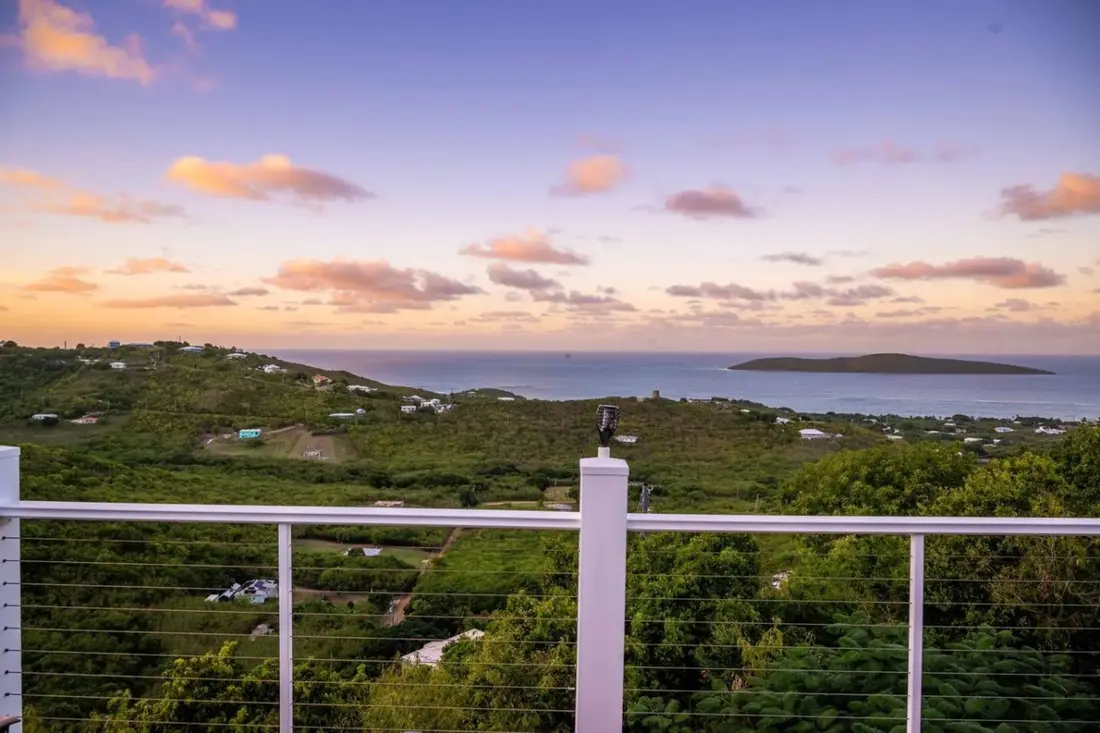
The Family Week
Calm-water mornings, fort ramparts, pool afternoons, and a glass-bottom look at the reef: St. Croix with kids, day by day.
A family week on St. Croix succeeds or fails on sequencing. The same seven outings, arranged badly, produce three overtired evenings and a skipped boat trip; arranged well, they produce a week where nobody cries at dinner. This page is the arrangement: which day carries the boat, which day carries the fort, where the deliberate do-little day sits, and how the order flexes for split groups, grandparents, and weather. The gear, age-by-age, and safety layer lives in the traveling with kids guide; this one assumes you have read it and builds the calendar.
The rhythm every day follows
One rule generates the whole week: each day gets two modest outings with a real villa break between them — the pattern the kids guide calls the two-outing day, stated here once and then applied seven times. On St. Croix the rule has weather behind it, which is why it beats willpower. The trade winds sit lowest before noon and the sea sits flattest with them, so the first outing goes to water, early. The sun does its worst work through the middle hours, so midday goes to the house: lunch from your own refrigerator, a nap behind a real door, laundry turning, screens without guilt. Wind and light both soften after three or four, which opens a second, shorter window — a different beach, a town errand, the pool in gold light.
Two consequences follow. First, nothing on this itinerary starts after 4 p.m. except dinner and one optional night paddle, because island evenings belong to bedtime, and bedtime kept is the tax that funds the next morning. Second, the anchors below are one per day on purpose. A family that runs Buck Island and the fort on the same date pays for it on the date after. Resist the stack. The island is 22 miles long; everything keeps.
Day 1: arrival and the shakeout
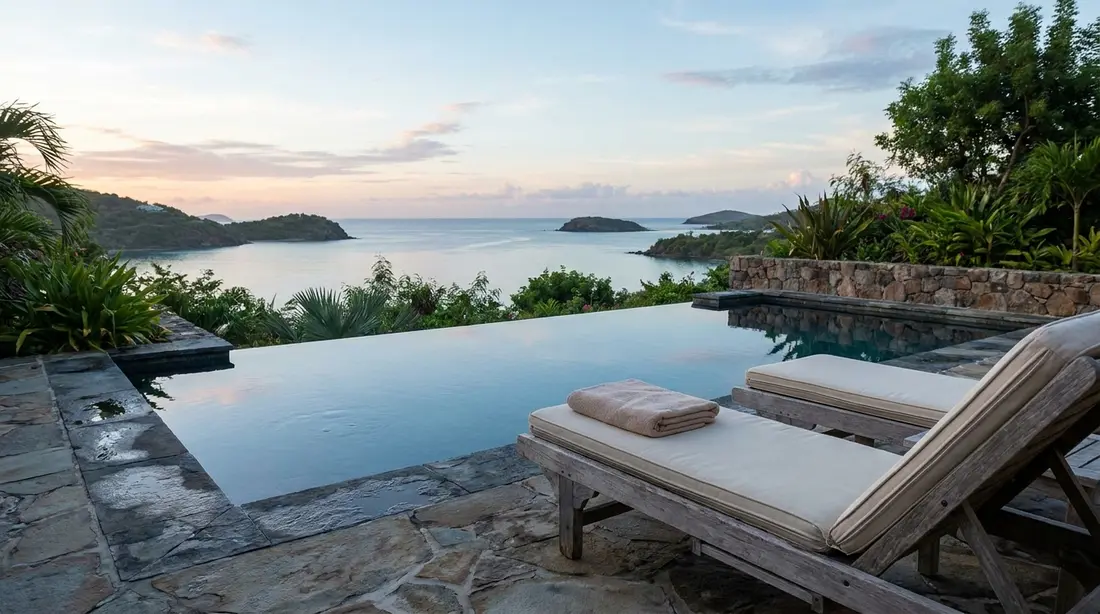
Flights from the mainland mostly put you on island with afternoon left, and the first afternoon has one job: convince the kids the trip has started while committing to nothing. Collect the car — reserved months ahead in winter, with the child seats attached to the same reservation, per the rental car guide — and do the market run on the way to the house while everyone is still strapped in and cooperative. A full first shop matters more for a family than for any other group, because seven breakfasts and most lunches will come out of the villa kitchen; the provisioning guide maps the stores, and letting each child pick one treat converts the errand from obstacle to event.
Then the shakeout swim. Unpack the swim bag first and ignore the rest of the luggage; a pool hour, or a walk into standing-depth water if your villa sits near a calm shore, resets travel-day bodies faster than any amount of settling in. Dinner comes from the groceries, early, and the evening ends on the terrace. Keep the first night free of plans entirely — the mainland East Coast and the island share a clock within an hour, so there is no jet lag to fight, only travel fatigue, and it loses to an early night. Two confirmations before bed: the Buck Island boat you booked before flying, and whichever operator holds your bio bay or watersports slot later in the week.
Day 2: the calm-bay day
The first full day goes to the island's easiest water, and it doubles as a diagnostic. The default is Chenay Bay out east: protected, gradual, shallow a long way out, with turtles and rays working the grass beyond the swimmers. A small child can stand in knee-deep water there for an hour; a bigger one can tow a mask around and start the snorkel practice the kids guide sequences. Cramer's Park near Point Udall is the alternate when you want covered pavilions and picnic shade with the swimming, and Columbus Landing earns the slot for the youngest crews because it pairs calm shallows with restrooms, grills, and picnic tables — infrastructure that decides mornings at certain ages.
What you are actually doing on day 2, beyond the swimming, is calibrating. Watch how each kid handles the water, the sun, and the schedule, because tomorrow's boat decision and Thursday's town stamina both read off this morning. Guests at Shoy's Beach House get a private version of the same lesson without touching the car: the crescent at The Shoys runs calm behind its small reef, and the week's baseline can be set twenty steps from the kitchen. Wherever you run it, be on the sand by 8:30 or 9, out by 11:30 when the wind builds, home for the reset. The afternoon window stays small: the pool, or a second, shorter beach visit on your own side of the island. No driving across the island today. The week has barely started; spend the margin on ease.
Day 3: Buck Island, decided by ages
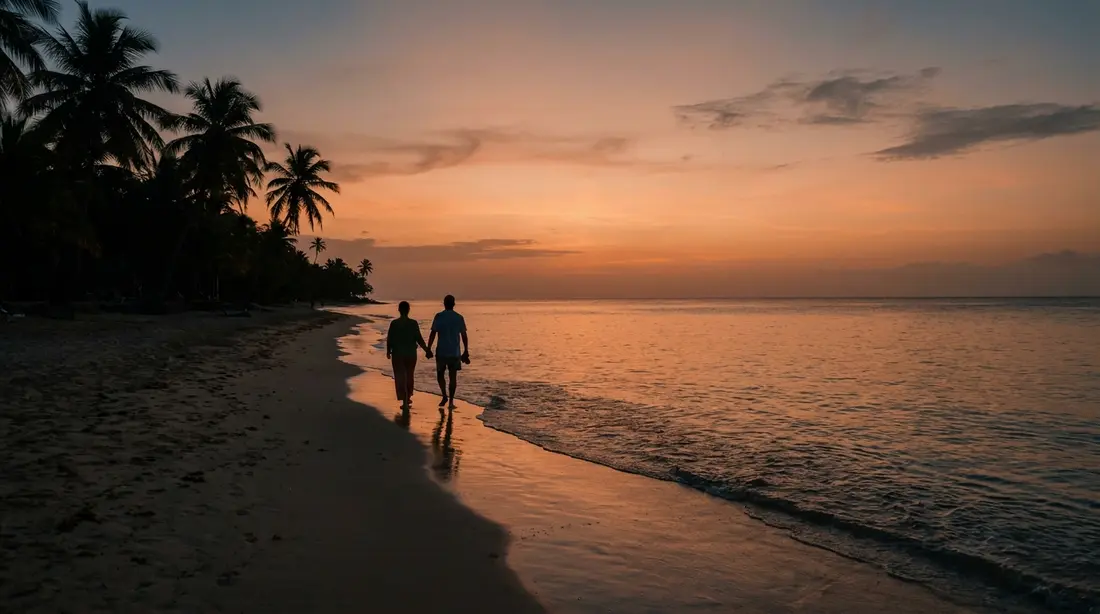
The boat day sits third for three reasons. The kids have had a water day to warm up, the week still has room to absorb a weather rebooking, and a big day this early leaves the villa day (day 5) perfectly placed to pay it off. The trip itself is the island's headline: a permitted boat to the reef monument a mile and a half offshore, the guided underwater snorkel trail — gentle, marked, and run with flotation on hand — and Turtle Beach's white sand for whoever opts out of the swimming. Book the half-day morning departure as the family default; it banks the calm hours and returns you in time for the nap. The boat tour guide compares the five permitted operators and their hulls.
Whether the trip fits this year's lineup is a real decision, so make it like one:
| Your group | The call | Why it holds |
|---|---|---|
| All kids swim with confidence (commonly 6 and up) | Go, half day, morning | The trail is guided and vest-friendly; three hours matches the attention span |
| Mixed: swimmers plus a toddler | Go if two adults ride; one pairs with the toddler on Turtle Beach | The beach absorbs the youngest while the trail group swims |
| Only pre-swimmers | Skip it this trip, without guilt | The reef is the payoff, and it waits; the money buys three calmer days instead |
| One parent, several small kids | Skip or split (see the stay-behind plan below) | Solo adult supervision on a boat plus water runs thin fast |
Operator age policies and the day's conditions outrank this table — say the kids' ages and swim levels out loud when you book, and let the crew shape the plan. The stay-behind alternative keeps a split family's day whole: the boat group sails at 9, the shore group runs a normal calm-bay morning at Cramer's or Columbus Landing, and both halves reconvene at the villa pool by mid-afternoon with different stories and the same sunburn-free glow, if the rash guards did their work. Nobody's day is the lesser one; write it that way when you announce the split at breakfast.
Day 4: Christiansted at kid speed
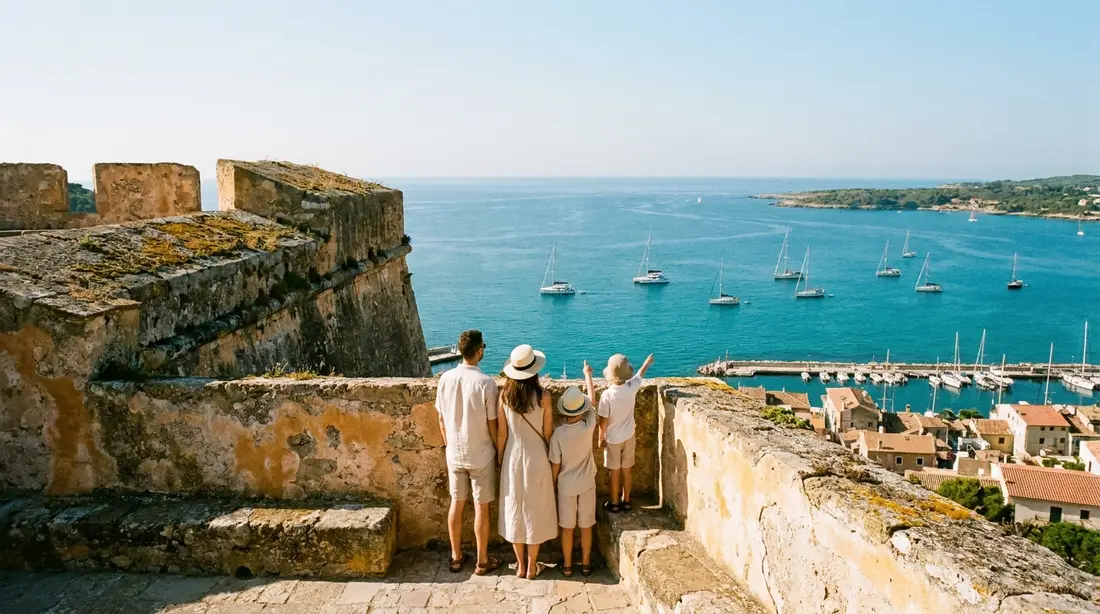
Town, done kid-first, splits into a morning and an evening with the villa between them. The morning belongs to Fort Christiansvaern, and the trick is arriving when it opens at 8:30, while the yellow brick is still cool and the courtyard is empty. Kids under 16 enter free, adult admission ran $10 at last check with the ticket good for three days, and the fort needs no interpretation for anyone under ten: ramparts to patrol, cannon to inspect, dark powder rooms to dare each other into. Give it an hour, add a shaded walk under the arcades that the Danish streets were built with, and be gone before the heat and the whining arrive on the same schedule. The wider historic district can wait for a kid-free trip.
Then home for the full reset — this is a day when the midday block earns its keep, because the evening runs later than most. Return to town around five. The boardwalk at dusk is the best free show on the island for children: boats coming in, an early harborside dinner, and then the tarpon — big silver fish that gather under the dock lights after dark and roll for scraps, reliably drawing a crowd of kids flat on their stomachs at the edge. Ice cream comes from Seaside Market and Deli on the way in or out, a fact worth planning around rather than discovering. Home by eight, and the day still counted as two outings, not three, because the villa sat in the middle.
Day 5: the villa day
Day 5 is empty by design, and it deserves the same respect as the boat booking, because it is the day that prevents the Thursday collapse every parent has watched on other trips. Four days of sun, salt, and stimulation compound in small bodies. The fix costs nothing: a day where the plan is the house. Pancakes without a departure time. The pool until fingers prune. The board games that Shoy's Beach House keeps in its listing, the separate cottage at The Cerulean absorbing whoever needs distance from siblings, a movie in the air conditioning at the hour the sun is cruelest. Mid-week is also when the washer and dryer earn their place on the amenity list — running the swim gear and the sandy everything through at the halfway mark beats packing wet laundry on the last night.
Parents get paid too. With the kids orbiting the pool, the adults trade off real breaks — a book finished, a long call home, a run — that a hotel schedule never quite yields. Families who feel the itch to salvage the day with an outing should notice, by dinner, that the kids have had their best-tempered day of the week. That result was the plan. If weather steals a different day's outing, this is the date that soaks up the rebooking — the second reason it sits at mid-week instead of the end.
Day 6: the west end, scaled down
The grown-up version of a west-side day stacks a rainforest drive, a distillery, a fort, and a sunset. The family version keeps two stops and a lunch. Cross the island in the morning — the drive runs about 40 minutes and doubles as nap infrastructure for whoever needs one — and start at Estate Whim, where sugar-plantation history comes in shapes kids accept: a stone windmill to circle, mill machinery to puzzle over, open grounds to run. The great house itself has kept its doors shut since 2017, so the visit is an outdoor hour, which at these ages is the right length anyway.
Lunch is the reward for the history: up Mahogany Road to the Mt. Pellier Domino Club, the rainforest bar-and-grill running since 1971 where the resident pigs drink non-alcoholic beer handed over by delighted children. It is the meal your kids will describe first when someone asks about the trip. (The MamaWanna is for the adults, and one of you is driving.)
The afternoon lands at Rainbow Beach: calm, swimmable west-coast water, chairs and floats to rent on the sand, and Rhythms bar feeding whoever refuses a third meal from a cooler. Teens can burn the last energy on rentals from West End Water Sports while the small kids paddle the shallows a few yards away — one beach solving two age groups at once. Watch the clock against bedtime: this coast owns the island's over-the-water sunset, and in winter the sun is down before six, so a family can stay for the show and still make the drive home on schedule. In summer, take the sunset from your own terrace instead and leave the west by five.
Day 7: favorites and the packing hour
The last full day has no new material on purpose. Ask the kids at breakfast which day they want back, and do that — the answer is the trip's real review, and repeating a known win beats gambling the final day on something unproven. Most weeks it comes out as the nearest calm beach in the morning and the pool after, which suits the second fixture of the day: the packing hour. Run it in the afternoon, with jobs by age — one kid on beach-toy inventory, one matching shoes to owners, an adult cycling the last laundry so swimsuits fly home dry. The packing guide works in reverse as the checklist. An hour of this at 3 p.m. converts departure morning from a scramble into a swim; there is no customs line flying home, just an agriculture check at the airport, so the last morning can hold one more pool hour if the flight allows.
If the week's weather stole an anchor and day 5 already spent its slack, this is the final catch net — one more reason the boat and the town day sit early in the order.
Split-group days
Families with a wide age spread should plan on two split days rather than dragging everyone through everything. The mechanics work because the island's bookable activities run on morning schedules and short distances, so a family can divide at breakfast and reunite by two.
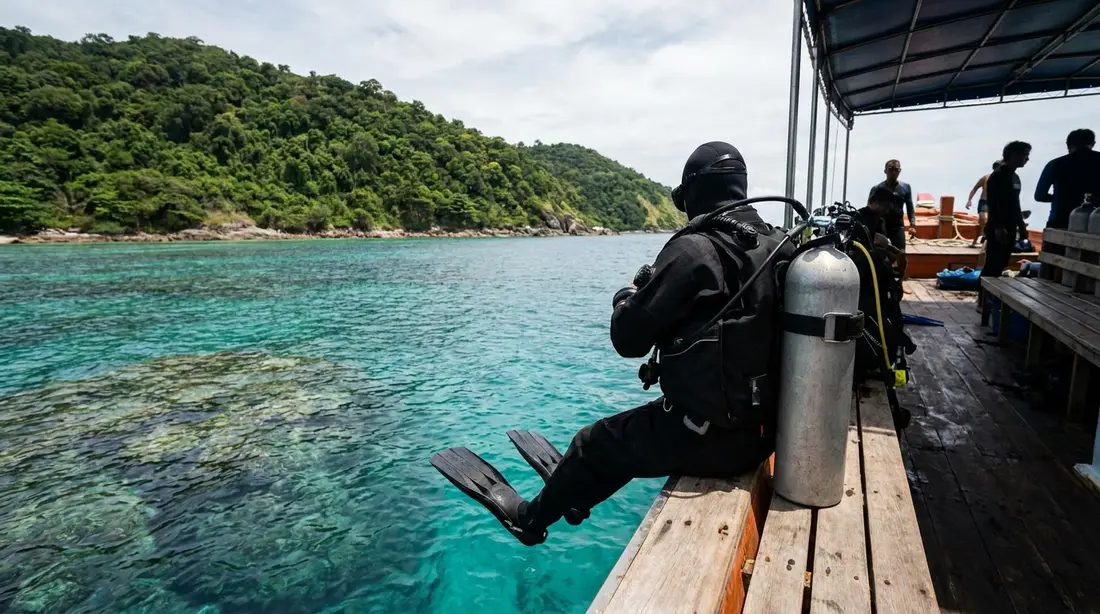
- Teens under water, littles in it. A teenager can take an introductory scuba session under an instructor while the rest of the family runs a standard calm-bay morning; shop minimums commonly start around age 10 for intro programs, and the learn to dive guide explains the formats. The dive shops run morning boats and shore sessions, which is exactly the window the little kids spend at the beach anyway. Slot this on day 2 or day 6.
- The throttle split at Rainbow. On the west day, teens rent jet skis or paddleboards through the watersports operators on the same sand where the toddlers dig, so the split costs zero driving and one adult can supervise each end of the age range from the middle of the beach.
- The boat split. Covered under day 3: trail swimmers sail, pre-swimmers keep a shore morning, everyone pools at three.
- The night split. On a dark-moon week, kids who clear the operators' minimum ages — these start around 6 and vary by outfitter — take one parent on a clear-kayak glow paddle with Sea Thru Kayaks or one of the other bio bay operators, while the other parent runs bedtime for the youngest at home. It is the week's one sanctioned late night; schedule it on day 5 or 6, never the night before the boat.
The three-generation version
Grandparents change the pacing math less than expected, because the two-outing rhythm already runs at their preferred speed; what changes is the picks. The morning beach slot favors Columbus Landing and Cramer's Park, where tables, shade, and facilities mean a grandparent can hold court dry while the middle generation handles the water. Town day works across all three generations almost unmodified — the fort involves stairs and uneven ramparts, worth knowing for anyone unsteady, while the boardwalk evening is flat, short, and benched, and the tarpon draw a 70-year-old to the rail as fast as a 7-year-old. On the west day, Whim's open grounds and a Domino Club lunch both work seated and shaded, and Rainbow Beach rents chairs by the hour.
The structural wins are at the villa. A cousins-trip or grandparent trip books space the way the large-group homes supply it — Shoy's Beach House and The Buck Island Overlook each sleep 12 — so the generations get real doors between them, and the day-5 villa day quietly becomes the grandparents' favorite date on the calendar. Two arrangements to make early: confirm bedroom layouts against anyone who cannot do stairs (listings state the layouts; ask us to match one), and if some of the party will not drive on the left, the taxi and getting-around guide covers how the non-drivers still make the town evening. Grandparents also solve the split days above by definition: a built-in shore team, a built-in babysitter for the parents' one dinner alone.
Feeding the week
The food plan for a family week is a schedule question more than a restaurant question, and the schedule is blunt: the villa kitchen serves roughly 16 of the week's 21 meals, and exactly two dinners happen in restaurants. That ratio is not austerity. Restaurant dinners with tired children are a timing gamble — an island kitchen on island time can put 45 minutes between ordering and eating, which is 40 minutes longer than a hungry 4-year-old holds — so you spend the two nights where the setting does half the parenting. Night one is the boardwalk dinner on town day, where the harbor, the boats, and the promised tarpon carry the wait. Night two is flexible: Duggan's Reef puts East End families at a table beside the water, or the west day converts its Domino Club lunch into the second sit-down meal and keeps all seven dinners home-side.
Everything else runs on the day-1 grocery haul, restocked once mid-week, plus the island's real fast food: johnny cakes. Fried dough by another name, they are the surest win of Crucian cooking for children, La Reine Chicken Shack pairs them with spit-roasted chicken for a family dinner that travels home in a box, and the pate and johnny cakes guide tells the adults what to order for themselves at the same window. Beach days carry coolers; the villa freezer carries popsicles; and the week's food budget lands somewhere that would astonish the resort version of this trip.
Bedtime engineering
The island hands families three scheduling gifts, and this itinerary spends all of them. First, the clock: St. Croix runs an hour ahead of Eastern time in winter and even with it in summer, so an East Coast child's body wakes at dawn — which this plan converts into empty-beach mornings instead of hotel-room negotiations. Keep the home bedtime unmoved all week and the early waking keeps paying.
Second, the sunset: it falls between about 5:40 in midwinter and a few minutes before 7 in early July, meaning the day's grand finale happens before bedtime, every night, all year. Use it as the wind-down ritual — dinner at 5:30, sunset from the terrace or the sand as the show that signals the end of the day, books, lights out on schedule. Families from northern summers, where the sun mocks bedtime until 9, find this the easiest sleep week of the year.
Third, the dark: it arrives fast at this latitude, which makes the two sanctioned late nights (boardwalk tarpon, the optional glow paddle) end at hours that still count as evening. Everything else in the plan is engineered around the 7:30 lights-out: dinners early, drives home before dark, the west-day sunset traded away in summer. A week of protected sleep is invisible in the photos and present in every one of them.
The week at a glance
| Day | Morning | Midday reset | Afternoon and evening |
|---|---|---|---|
| 1 | Land, car with seats fitted, grocery run | Unpack the swim bag only | Shakeout swim, dinner in, early night |
| 2 | Chenay Bay or Cramer's Park, on the sand by 8:30 | Lunch, nap, laundry | Pool, or a short second beach nearby |
| 3 | Buck Island half day (or the stay-behind split) | Late nap, mandatory | Pool; casual early dinner |
| 4 | Fort Christiansvaern at 8:30, arcade walk | Full villa block | Boardwalk dinner, tarpon, Seaside ice cream |
| 5 | Nothing, protected | All of it | Pool; glow paddle for the 6-and-up crew if the moon is dark |
| 6 | Cross west; Estate Whim grounds | Domino Club lunch, car nap | Rainbow Beach shallows and rentals; home by bedtime |
| 7 | The repeat the kids voted for | Packing hour, jobs by age | Pool; last early dinner |
Rain edits little of this: showers pass inside an hour most of the year, and a wet day trades slots with day 5 and runs the kid section of the rainy day plan instead.
Questions guests ask
Which day order matters most, and which can we shuffle?
Three placements carry the design. The boat goes early (day 3) so weather has room to rebook it. The empty villa day goes mid-week (day 5), where it repairs the first half and funds the second. And nothing new gets scheduled on the last full day, which exists to repeat a winner and stage the packing. Everything else trades freely: the town day and the calm-bay day can swap, the west day can slide anywhere from day 4 to day 6, and families basing near Frederiksted can mirror the whole plan west-to-east.
Is Buck Island worth it if only some of the kids can swim?
Usually yes, run as the split the day-3 table describes: two adults aboard, one pairing with the non-swimmer on Turtle Beach while the swimmers take the guided trail, or a full split with a shore team at Cramer's Park. The trip stops being worth it when one adult would be managing several non-swimmers around open water — that version buys stress, and the reef will still be there when this year's toddlers are next year's snorkelers. State every child's swim level when you book and let the operator veto or shape the plan.
What must be booked before we fly?
Four things, in order of scarcity: the rental car with child seats attached to the reservation, since the island's seat inventory is finite; the Buck Island boat, since permits cap the fleet at five operators, seats are finite, and winter mornings sell through; the bio bay paddle if your week overlaps a dark moon and your kids clear the age minimums; and any special villa equipment conversation — cribs, high chairs, stair gates — which happens at booking, per each home's listing. Restaurants need no advance work on this plan; the two dinner nights are casual by design.
Where should a family base for this week?
East. Six of the seven days start on the Christiansted-to-East-End side, where the calm morning beaches cluster, and only day 6 crosses the island. A west-end base flips that math and adds a nightly sunset, which suits families of older kids who run later hours. What matters more than the coast is the shortest possible drive to your default morning beach — with small children, ten minutes to standing-depth water outvalues any view. Tell us the ages and we will argue for a specific house.
Can we do the bio bay with a 4-year-old aboard?
No operator we can point to takes children that young on the night glow paddles; published minimums start around age 6 and vary by outfitter, and the trips run past toddler bedtime in any case. The family answer is the night split: one parent takes the qualifying kids on a dark-moon night while the other holds bedtime at the villa, and the younger children get the boardwalk tarpon as their own after-dark spectacle earlier in the week. Check the operators' moon calendars before assigning the night.
How does the plan compress to five days?
Cut the crossing before you cut anything else. The west day goes first — Whim, the pigs, and Rainbow Beach are wonderful and entirely optional for children who came for water — and the repeat day merges into whatever afternoon frees up. What survives, in order: the arrival shakeout, one full calm-bay morning, Buck Island (moved to day 3 of 5 so a scrub can still slide), the fort-and-tarpon town day, and a half-size villa day on the final afternoon doubling as the packing hour. Do the reverse edit for ten days: add a second west run, a Salt River paddle for the older kids, and a second protected villa day, because the rhythm scales in both directions.
Do older kids really need the day-5 villa day?
Teenagers need it more, in a different currency. Little kids spend day 5 recovering from stimulation; teens spend it recovering from family. A day with no departure times gives a 15-year-old the unscheduled villa hours — pool, phone, headphones, a door that closes — that make Wednesday-through-Saturday cooperation possible, and it hands parents their only slow day of the trip. Families who swap it for another outing tend to buy one more activity photo at the cost of everyone's last three days of patience. If the energy is high, spend it in the pool, and keep the calendar empty anyway.
What happens to this plan in summer versus winter?
The skeleton holds year-round; three dials move. Winter brings the breezier trades, which makes the before-noon beach rule stricter, and a sunset early enough that the west day keeps its over-the-water finale inside bedtime. Summer flattens the seas — the easiest snorkel-teaching water of the year — and pushes sunset to nearly seven, so the west day ends at five and the terrace hosts the show. Hurricane season (June through November, most active late August into September) argues for travel insurance and refundable bookings, and September through November trades a rain-shower risk for the emptiest beaches and lowest rates a family will ever get here.
The villas this week fits
The plan assumes a home with a pool, a kitchen, and doors between bedtimes, and the family collection is built from exactly those. Shoy's Beach House sleeps 12 with the calm sand of The Shoys starting where the yard ends — the shakeout swim and the day-2 morning without a car. Toes in the Sand sleeps 8 directly on the beach. Dragonfly Villa pairs a pool with an East End position minutes from Chenay Bay and Cramer's Park, also for 8, and The Cerulean adds the separate guest cottage that gives grandparents or teenagers their own address. Cousins trips sized past a dozen should read the large-group homes. Send the ages; we will send the shortlist.
Sources
Written from official and first-party sources, checked August 2026. Hours, prices and event dates change — confirm before you go.
In this guide
Stay nearby
On The Shoys beach: six bedrooms, six baths, pool and hot tub, room for twelve, and the beach through the back garden.
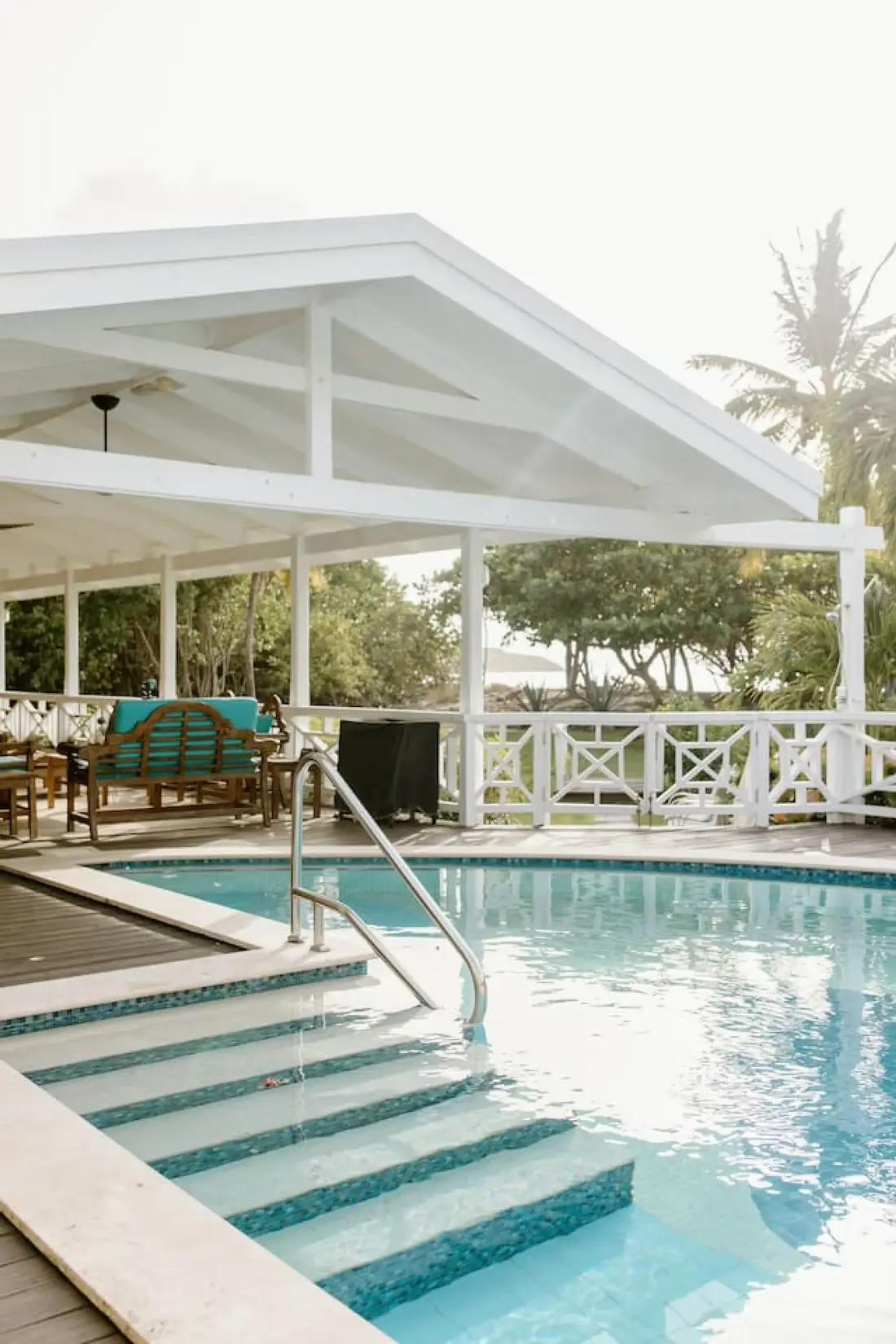 Shoy's Beach House6 bd · 6 ba · sleeps 12 · Christiansted
More in Itineraries
Sources
12 references, listed in full at the end of this guide — official park, refuge, tourism-board and business sources, checked August 2026.