The History & Culture Guidebook
Seven flags, two forts, emancipation, and a hook bracelet: the island's story on foot.
Seven flags have flown over these 84 square miles — Spain, the Netherlands, England, France, the Knights of Malta, Denmark, the United States — and the island keeps the evidence within a short drive: a 1740 fort still commanding its harbor, the ramparts where emancipation was proclaimed in 1848, stone windmill towers on the hilltops, and the streets where a boy named Alexander Hamilton clerked for an export house. The history here is also a living one, worn on wrists and walked on stilts. This book orders it so each place sets up the next: the sugar economy first, then the freedom that was taken from it, then the culture that outlasted both.
Christiansted, the Danish capital
Founded 1734, and the best-preserved answer in the Caribbean to the question of what a sugar port looked like.
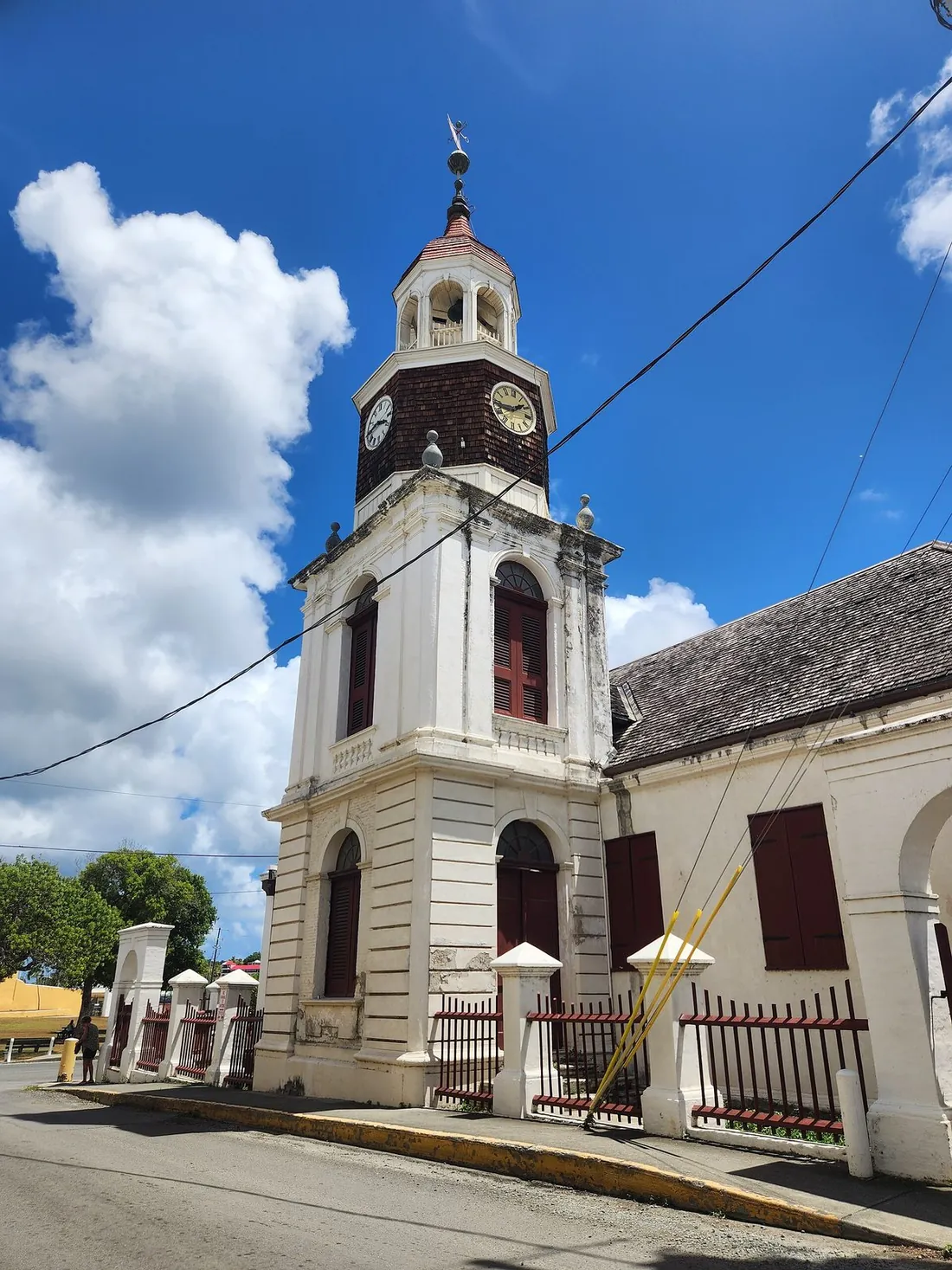
Christiansted National Historic Site
Five Danish structures on one waterfront — fort, church, scale house, customs house, company warehouse — that together trace how sugar left this harbor and at whose expense. The Park Service runs them as a single site; give it a morning.
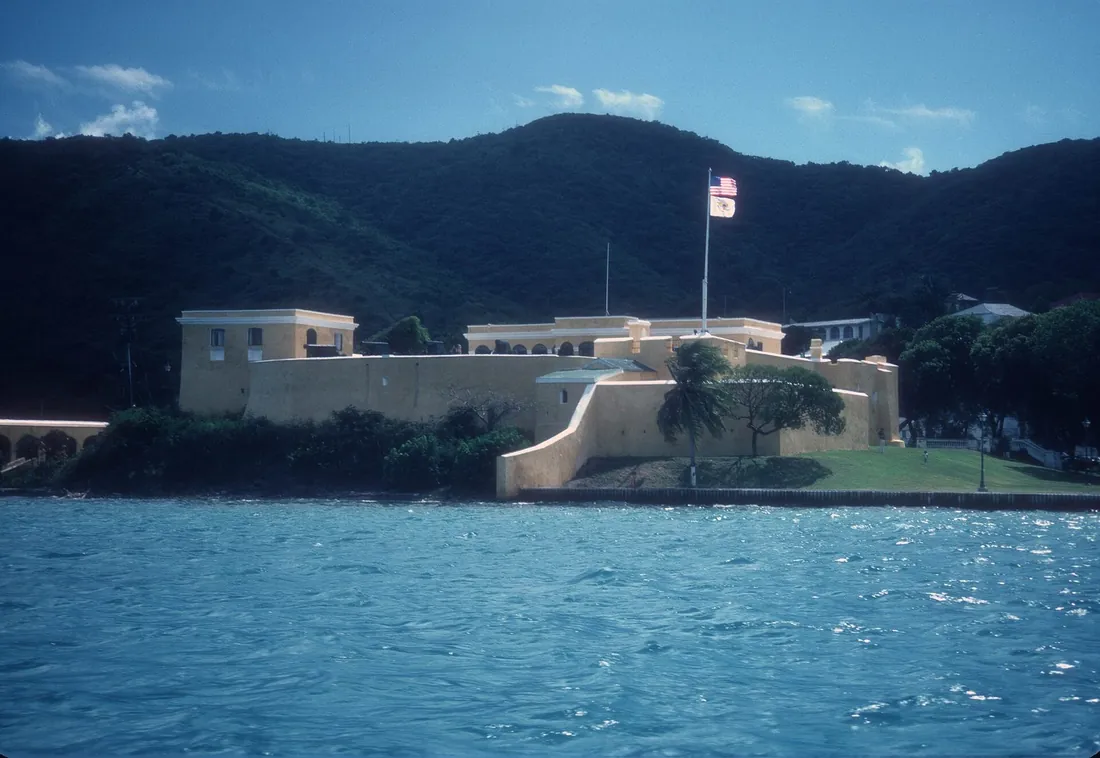
Fort Christiansvaern
Begun 1738, finished by 1740, its yellow ballast brick shipped from Denmark. The ramparts and cannon photograph well; the rooms below, including the cell where Hamilton's mother was once held, carry the weight. The starting point for the whole chapter.
Reading the Danish Architecture
A town laid out to Danish plans and built by enslaved Africans — arcaded sidewalks, coral stone, streets squared to the harbor for the breeze. This page teaches you to read the buildings: the ballast brick, the galleries, the grid.
Alexander Hamilton's St. Croix
He arrived around 1765, kept his mother's shop on Company Street, clerked on this harbor, and left in 1772 when merchants paid his passage north. The town he learned commerce in is still walkable, and the Park Service has mapped his blocks.
Freedom, taken twice
Emancipation here was forced from below in 1848, and defended again thirty years later. Frederiksted calls itself Freedom City for cause.
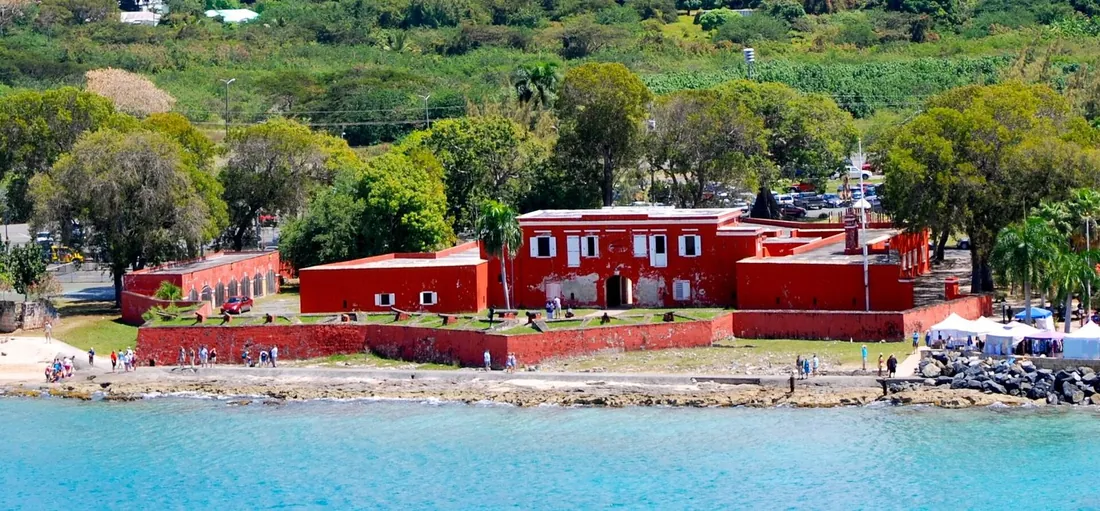
Fort Frederik & Emancipation Day
On July 3, 1848, roughly 8,000 enslaved people marched on this fort behind Moses Gottlieb — General Buddhoe — and the governor-general proclaimed emancipation from its ramparts rather than face them. The date has been a Virgin Islands holiday ever since.
The 1878 Fireburn & Queen Mary
Thirty years after emancipation, a contract-labor system that bound freed workers to the estates broke in a single October rising led by four women, Queen Mary most famously. Much of Frederiksted burned; the labor law changed. Crucians simply say the Fireburn.
The sugar island
At the peak, more than 150 windmills turned on this island. What sugar built, and what it cost, is legible everywhere once you know the shapes.
Estate Whim Museum
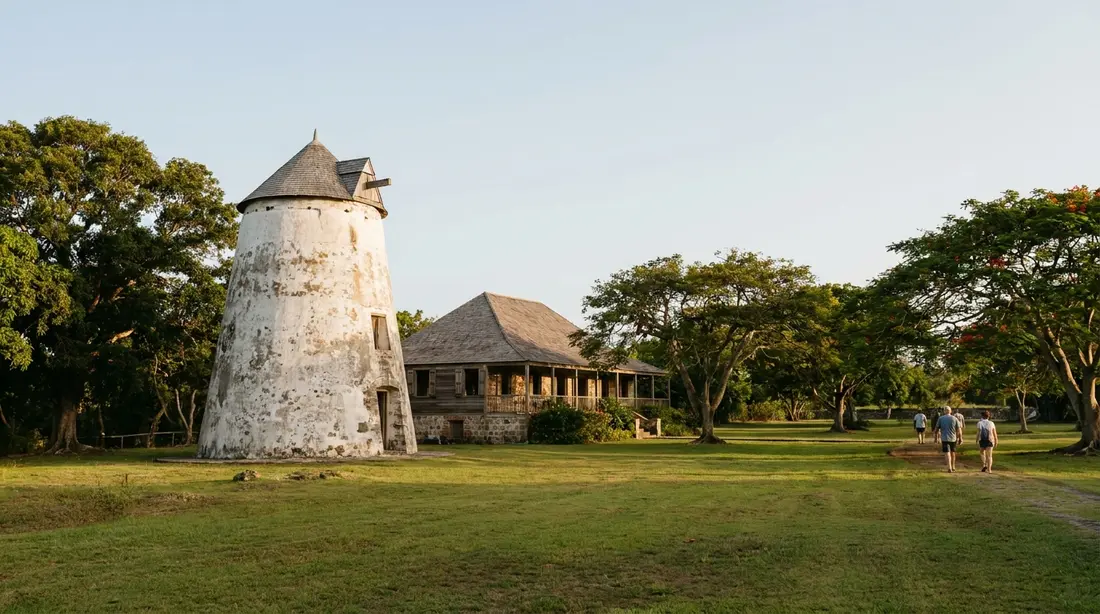
One estate kept whole — great house, mills, factory ruins, and an exhibit on the quarters — so the machinery of a plantation can be understood in a single visit. Run by the Landmarks Society since 1954; the clearest lesson the island offers.
The Sugar Mill Ruins
Researchers count over 150 windmill towers built across 147 estates, sited on hilltops to catch the trades, and the truncated stone cones still stand in pastures and gardens island-wide. This page teaches you to read one; afterward you see them everywhere.
The long story
From 1493 to 1917: the claims, the sale, and the turning points in between.
Salt River Bay, 1493
Columbus's second voyage anchored here in November 1493, the only known place his expedition touched what is now U.S. soil — and the site of the first recorded armed clash between Europeans and Native people in the Americas. A national park holds the ground today.
The Seven Flags of St. Croix
The whole sequence in one sitting: why Spain never settled it, how the Knights of Malta briefly held it, what Denmark paid France in 1733, and how each handover left marks you can still visit. The spine the rest of this book hangs on.
Transfer Day, 1917
The United States bought the islands from Denmark for $25 million in gold, taking possession on March 31, 1917, after two failed treaties and decades of colonial losses. Why the sale finally happened says as much about the war in Europe as about sugar.
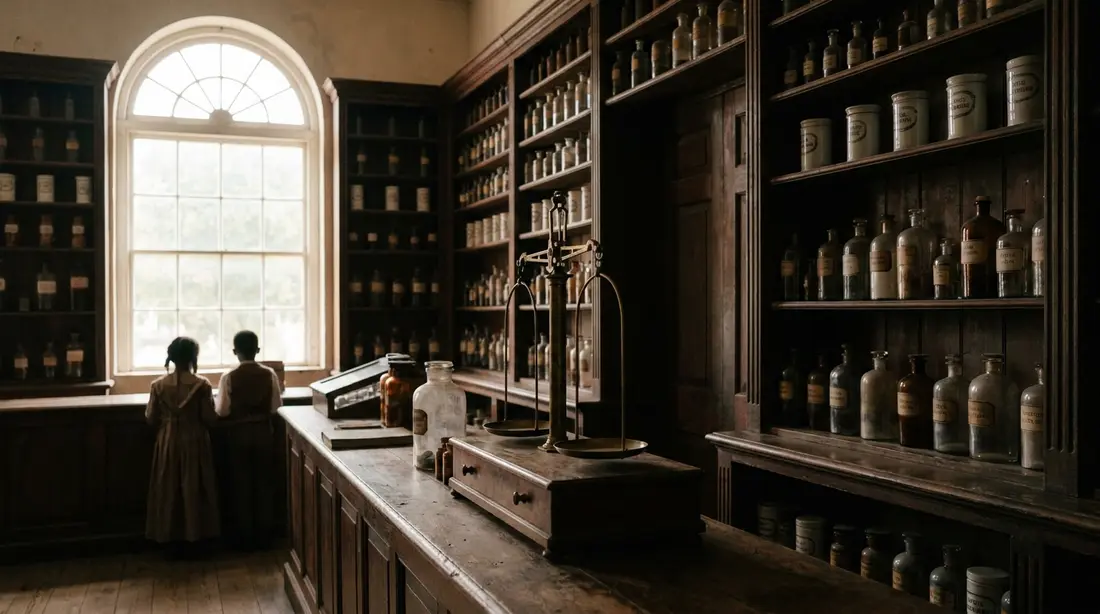
Living culture
Not exhibits. These are worn, danced and played every festival season.
The St. Croix Hook Bracelet
Designed in the mid-1960s in a Christiansted workshop that still makes it: a plain band closed with a horseshoe hook, worn toward the heart if taken, away if open. Sixty years on, it is the thing people take home.
Mocko Jumbies & Quelbe
Stilt dancers ten to twenty feet tall with West African roots two centuries deep, and the scratch-band music the Legislature named the territory's official sound in 2003. Working performers, living traditions — time a visit to a festival and see both.
Chapters
History & Culture in pictures
Verified island photographs; credits on the photo credits page.
Christiansted National Historic Site
Fort Christiansvaern
Fort Frederik & Emancipation Day
Estate Whim Museum
Apothecary Hall
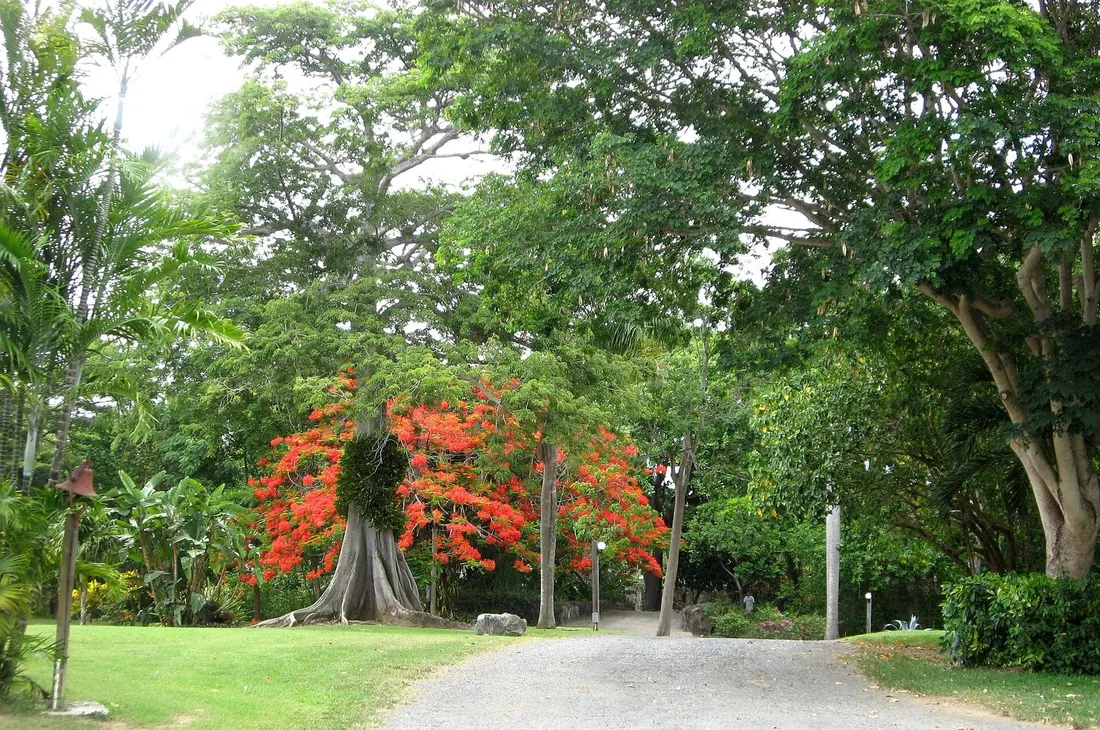
St. George Village Botanical Garden
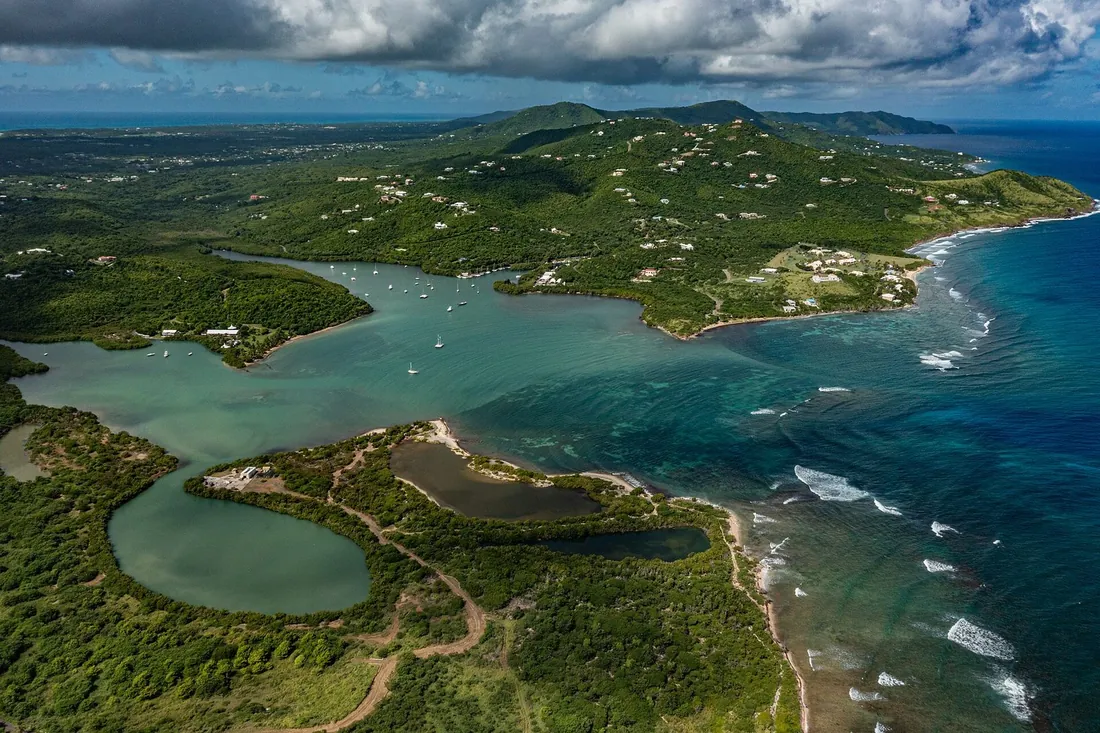
Salt River Bay, 1493