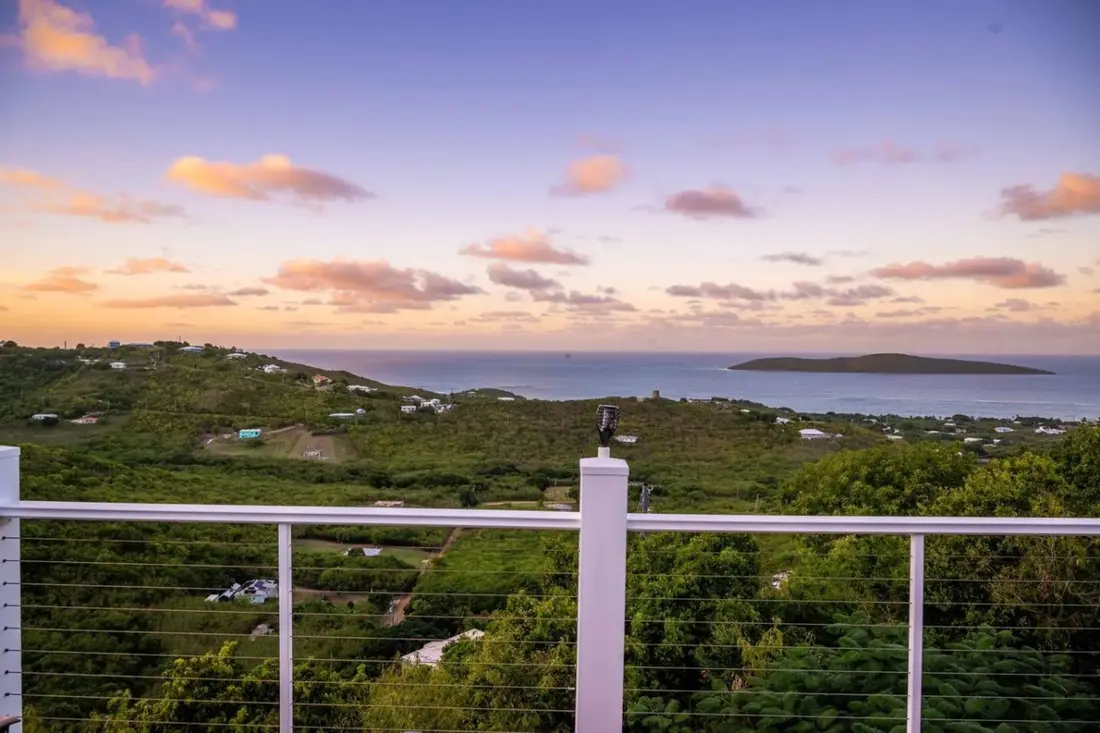
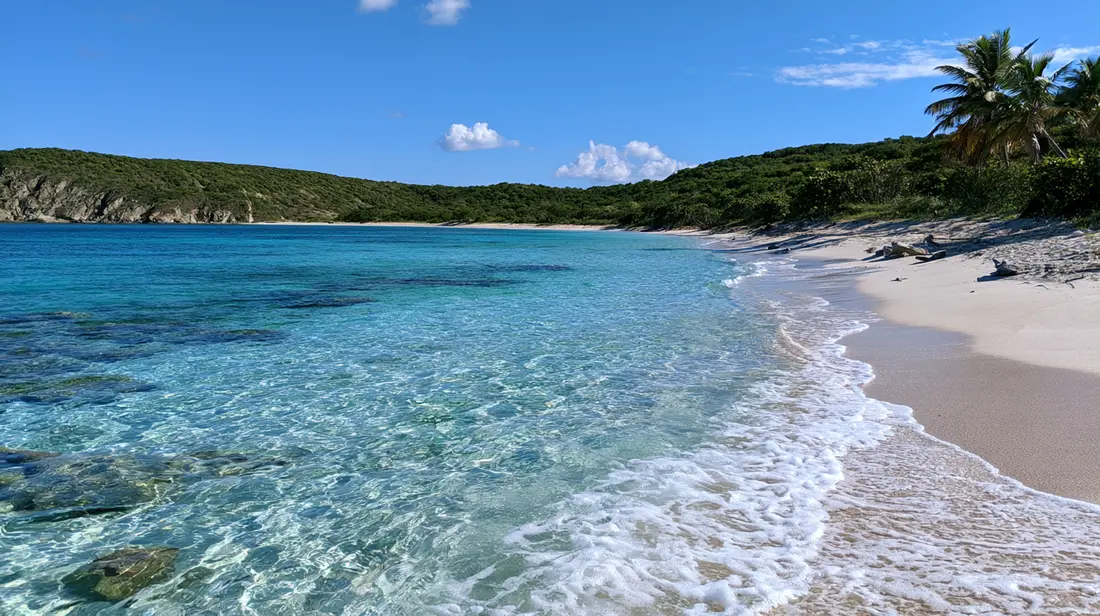
The St. Croix Beach Guidebook
Every beach we'd send a guest to, coast by coast, with the rules that matter.
St. Croix runs 22 miles east to west, and its coasts behave differently enough that picking a beach is really picking a coast. The west is leeward: flat water, soft sand, the sun setting straight ahead. The north carries the reef, with snorkeling that starts a few kicks from your towel and surf that builds when the swell runs. The East End and the south shore trade facilities for solitude; several of their beaches are reached on foot and shared with almost no one. This book walks the coastline in order, coast by coast, and flags the two rules that matter most here: the turtle-nesting closures, and reading the sea before you swim on the exposed shores.
The north shore
Reef country. The snorkeling is the draw on this coast, and conditions turn with the wind, so mornings are the reliable window.
Cane Bay Beach
The busiest stretch of sand on the north coast, and the one with the most going on behind it: dive shops across the road, two bars, and the top of the famous wall about 100 yards out for strong swimmers. Mornings are calmer; the trade winds stir the bay after lunch. Shade means claiming a sea grape early.
Davis Bay
A short drive west of Cane Bay and a wilder scene: white sand between rocky headlands, cliffs throwing spray when the swell is up, and two reefs at different depths. On a calm morning it snorkels beautifully. On a windy one, walk it instead of swimming it — the open north takes real wave energy.
Columbus Landing Beach
Inside Salt River Bay's national park, on the spot where a landing party from Columbus's 1493 fleet came ashore. As a beach day it is calm, shallow, and equipped — restrooms, grills, picnic tables — with snorkeling along the bay's edges and the mangroves at your back.
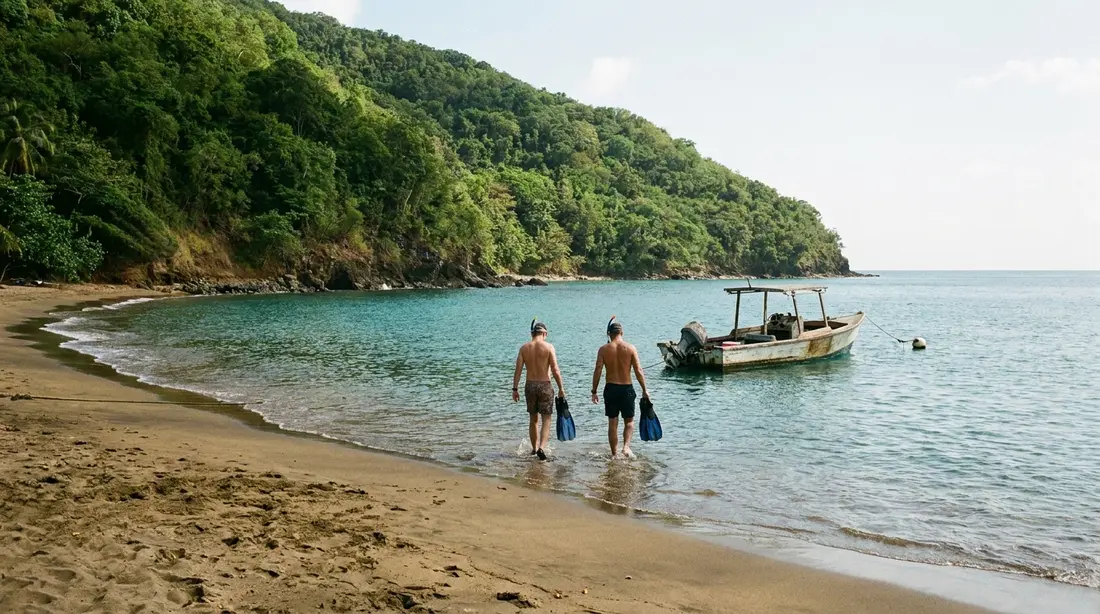
The west coast
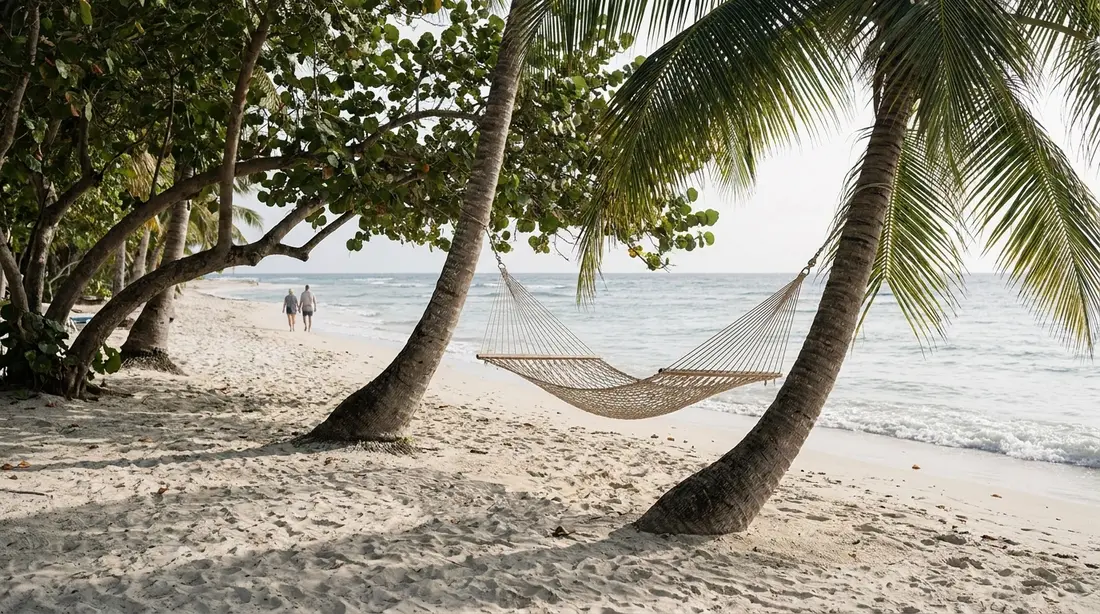
The leeward side. Flattest water on the island, sunset dead ahead, and the easiest parking. This is the coast for a swim without a plan.
Rainbow Beach
The west end with amenities: soft sand, watersports rentals steps from the water, and a bar that has held down this beach for around thirty years. It fills on cruise days and weekend afternoons; go on a weekday morning if you want it hushed.
Frederiksted Beach
The closest thing on island to stepping out of a parked car onto sand. The wash line here is the island's sea glass ground, the pier at the north end hides seahorses and octopus for snorkelers, and Fort Frederik stands right on the waterfront. Cruise ships change its rhythm for a few hours, then it empties again.
Dorsch Beach
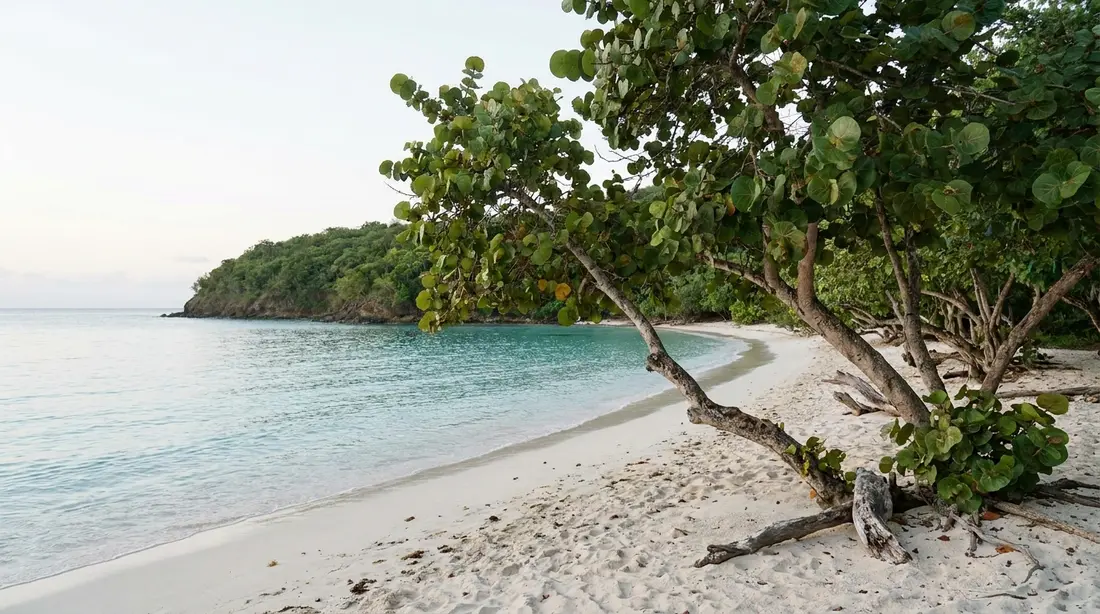
South of town, palms and sea grapes throwing actual shade — rarer here than visitors expect — over calm water and a sandy bottom. The oceanfront cafe at Sand Castle on the Beach covers lunch and weekend brunch. Come for the quietest of the three Frederiksted-area swims.
Sandy Point National Wildlife Refuge
Two miles of bare white sand at the island's southwest tip, and the largest leatherback nesting site under the U.S. flag. The calendar governs everything: weekends only, 10 to 4, and closed outright April through August for the turtles. Plan around it; there are no facilities and no exceptions.
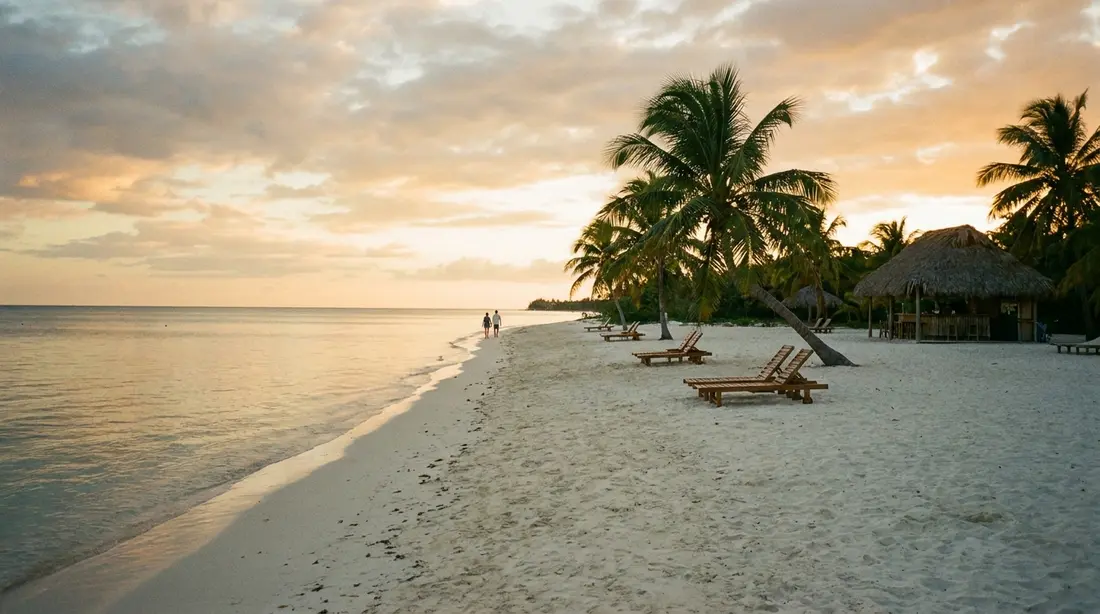
The East End and the south shore
Drier country, fewer buildings, more distance between you and anyone else. Two of these beaches ask for a walk; all of them ask you to check the water before committing.
The Shoys
A guarded crescent east of Christiansted — give your name at the Estate Shoys gate; the public has beach access — with quiet swimming water and a small reef at the east end holding rays, eels and conch. Our Shoy's Beach House sits directly on this sand, which tells you what we think of it.
Chenay Bay
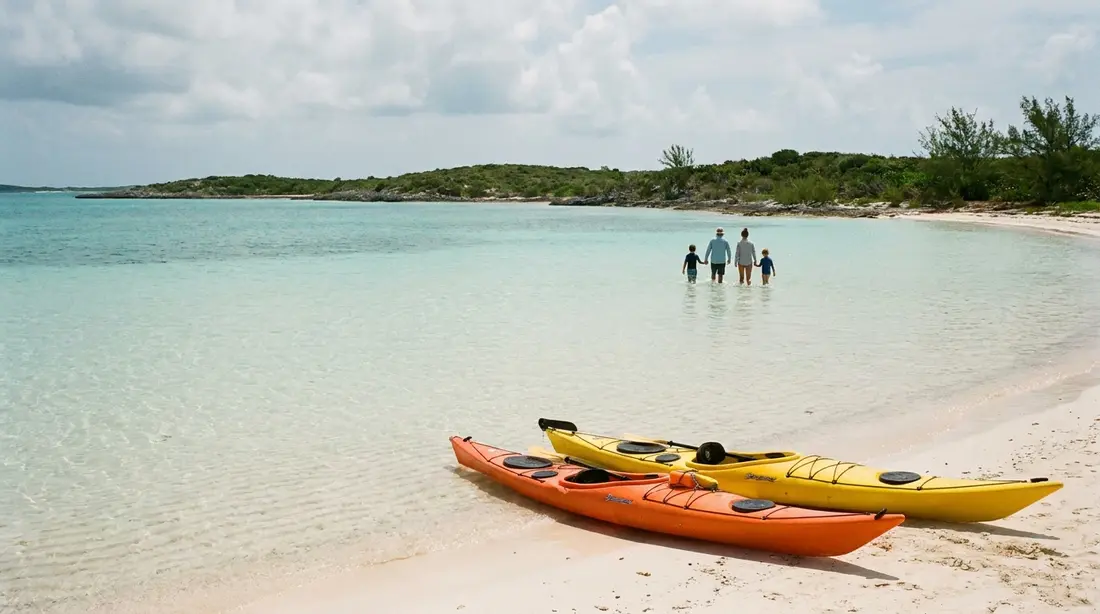
A protected East End bay where the shallows run far out from shore, seagrass draws green turtles, and kayaks go out when the concession is running. Facilities come and go with that concession, so carry your own water just in case.
Cramer's Park
A territorial park near Point Udall with pavilions, grills, restrooms and a gentle slope into usually calm water. Weekends it hums with local family gatherings; weekdays it can be nearly empty. The most equipped beach on the East End.
Jack's & Isaac's Bays
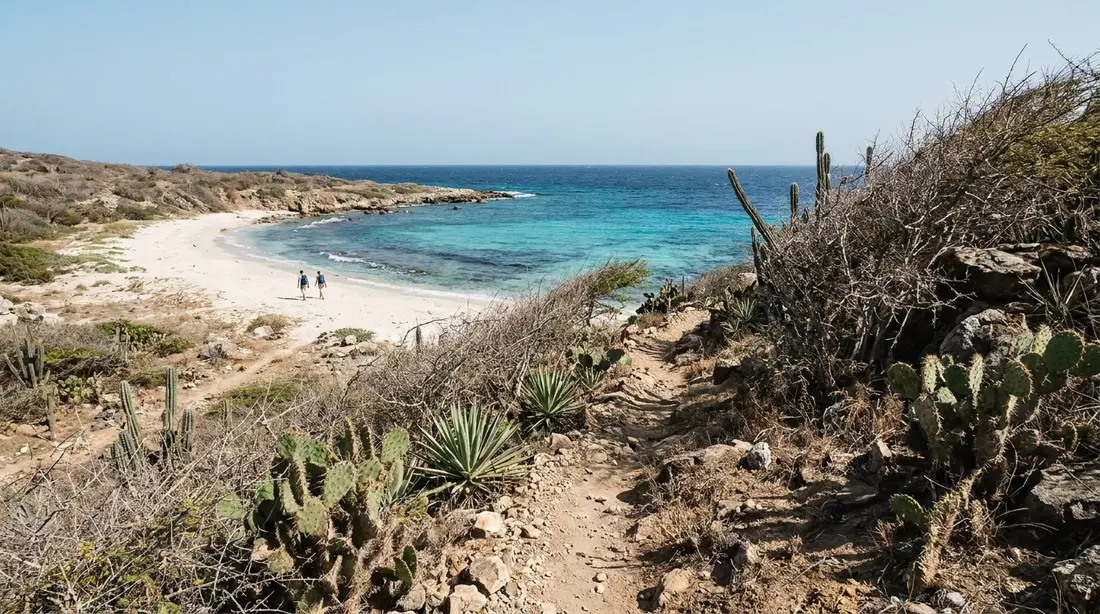
Two undeveloped bays inside a 301-acre Nature Conservancy preserve at the island's eastern tip, reached down a cactus-lined trail from the lot near Point Udall. Real shoes, water, and nothing waiting at the bottom except sand, reef and, often, nobody. Isaac's arrives first; Jack's lies beyond.
Grapetree Beach
A long white ribbon on the southeast shore backed by sea grapes that cast genuine shade. No facilities, a little surf on many days, and usually only a handful of people over its whole length. The rockier ends are for sitting and listening.
Ha'penny Beach
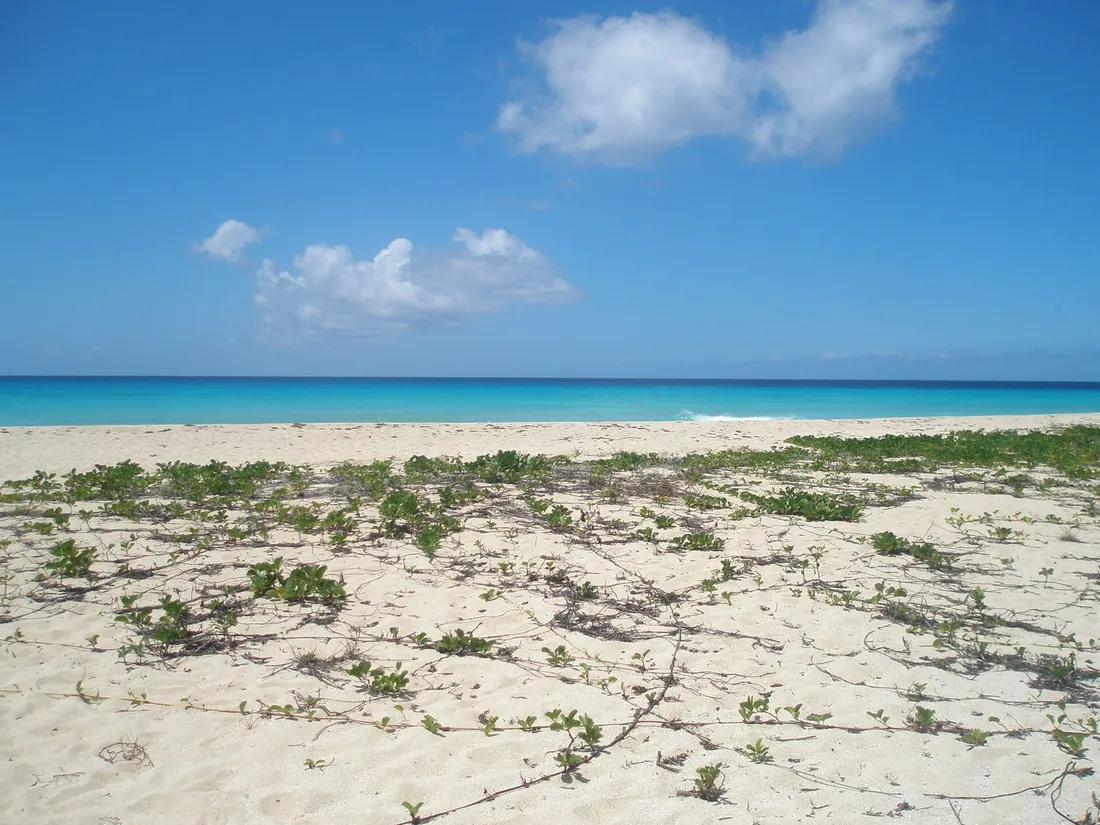
Say "hay-penny." A mile-plus of very soft south-shore sand with nothing built on it, walked at dawn by locals with dogs and fishing rods. The south takes more wave energy than the west coast — a still morning swims well, a breezy afternoon does not. Turtles nest here; keep lights and chairs off the upper sand.
By boat, and the roundups
One beach here needs a captain, and two pages sort the whole coastline by what you want from it.
Turtle Beach, Buck Island
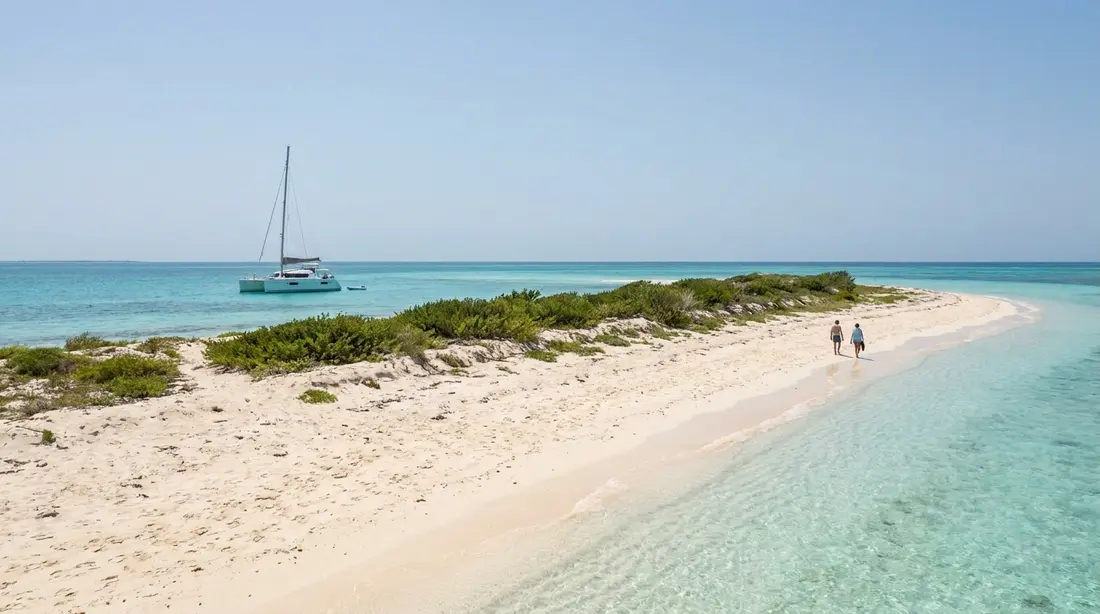
Powder sand on the west end of Buck Island, reachable only with one of the five operators the Park Service authorizes or your own permitted boat. Regularly ranked among the Caribbean's most beautiful beaches, and the ranking holds up when your feet are in it.
The Best Beaches on St. Croix
The full sorting: which coast for calm water, which for reef, which for solitude — organized by what kind of day you are after rather than alphabetically.
The Sunset Beaches
Where to stand at the end of the day. The island points its west coast at the setting sun over flat water, and this page names the three best patches of sand for it, plus the sunrise counterpart at Point Udall.
Chapters
Beaches in pictures
Verified island photographs; credits on the photo credits page.