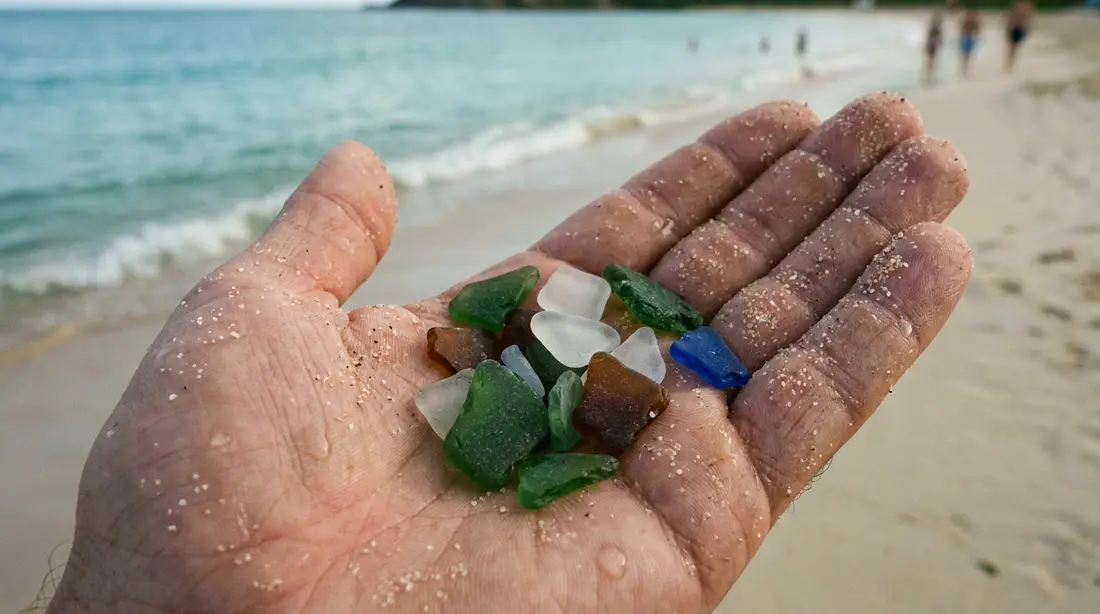
Sea Glass Hunting
Frederiksted's town beach is the island's known sea glass ground. When to look, what you'll find, and the take-only-glass rule.
Sea glass is litter the ocean rewrote: a broken bottle or a shard of window pane, dropped into the water decades ago, tumbled round and frosted white by years of surf. St. Croix produces good glass because it has had three centuries to. Seven flags, two working harbors, and a long sugar economy fed this shoreline for generations, and the calm west coast tumbles the results gently enough to hand them back whole. This page is the island's reference for the hobby: what sea glass is, how the sea makes it, where you may and may not pick it up on this island, how to read the colors, and how the local tradition of chaney sits alongside it.
What sea glass is
Sea glass is ordinary glass waste that the ocean has reshaped. A bottle, a jar, a drinking glass, a pane of window glass or a piece of old tableware breaks, the pieces reach the water, and years of wave action round the edges and etch the surface to a soft frost. Collectors call the good pieces mermaid tears. The name for the same material found on lakes and rivers is beach glass; freshwater is gentler and less salty, so lake glass tends to come out smoother-edged but less deeply frosted than the ocean kind.
Almost all of it starts as everyday containers. Beer, wine and soda bottles account for most of the green and brown you will ever pick up; clear bottles and jars give the white; medicine, cosmetic and specialty glass supplies the blues and the rare colors. Because the raw material is trash, the age of a beach's glass tracks the age of the settlement behind it, which is why an island with centuries of dense habitation and two old ports turns up older and more varied glass than a young resort coast.
Genuine sea glass is also a shrinking resource. Modern waste is recycled, landfilled or made of plastic, so the flow of new bottles into the sea has slowed sharply since the mid-twentieth century. The glass working its way onto St. Croix's beaches now is mostly decades to well over a century old, and every piece a hunter pockets is one the shore will not replace on any human timescale. That fact sits under every rule below.

How the sea makes it
Two separate processes run at once, one mechanical and one chemical, and a well-finished piece needs both.
The mechanical half is simple tumbling. Waves and currents drag shards along the bottom in a slow zig-zag known as longshore drift, and the constant grinding against sand, gravel and rock wears the sharp edges down. Geologists call the wearing action attrition, and the beach itself sets the pace: a shore of coarse gravel and cobble works glass fast, while fine soft sand can take decades longer to round the same piece. The sea, in effect, is a rock tumbler that never switches off.
The chemical half is what gives sea glass its frost. Most bottle and window glass is soda-lime-silica glass: silica, roughly three-quarters of it, holds the structure, while soda (sodium) and lime (calcium) are added to make it workable. Silica is close to inert in water, but the soda and lime are not. In the slightly alkaline chemistry of seawater, with a pH above about 8, moisture slowly leaches those soluble parts out of the surface in a process called hydration. What is left is a silica-rich skin riddled with microscopic pits, and salt-borne chlorides settle into the pits as tiny crystals. Light scatters off all that texture instead of passing straight through, and that scattering is the frost you see. Warmer water and higher salinity speed the whole reaction, which is one reason Caribbean glass frosts well.
The clock runs long. A sharp shard needs roughly twenty to thirty years of steady tide to become well-rounded, frosted sea glass, and thick or sheltered pieces can take a century or more. Not all glass cooperates equally: borosilicate glass, leaded crystal and milk glass resist frosting far longer than a plain bottle, so they can wash up still glossy after years in the water. The very old, near-black bottle glass St. Croix turns up so often is the opposite case, made thick and heavy from iron-rich batches, unusually tough, and able to survive in the surf where thinner modern glass would have worn away to nothing.
Why St. Croix produces so much
The island's history is a three-century supply line for a beachcomber. St. Croix has flown seven flags over the centuries, Danish and American, Spanish, French, English and Dutch, with a spell under the Knights of Malta, and each era put people, ships and goods on the shore. Denmark bought the island in 1733 and laid out Christiansted the following year and Frederiksted soon after, two grid towns built around working harbors. Cargo came in by the caseload and left the same way, and glass went into the water and the ground by every ordinary route: bottles tossed from ships and wharves, breakage in the warehouses, and the refuse of the sugar estates that once ran on more than 150 mills across the island.
That buried and dumped glass has been feeding the beaches ever since. Heavy rain erodes old estate ground and washes fragments toward the coast, and long-forgotten shoreline dump sites give their contents up to the surf a little at a time. No single famous dump does the work, and it would be a mistake to name one; the real source is centuries of settlement stacked up around two ports and a farming economy, all of it slowly returning to the sea.
Geography finishes the job. The west end of St. Croix is the leeward, calmer side of the island, sheltered from the prevailing easterly trade winds, so its water tumbles glass steadily without smashing it, and the frosted pieces survive to reach the sand. That same rain-shadow geography splits the island into a wet west and a dry east, explained in two landscapes on one island; for glass hunters, the short version is that the west coast is where the gentle, productive water is. The old west-end port town and its Frederiksted setting are the reason the best-known ground sits there.
Where you may not collect
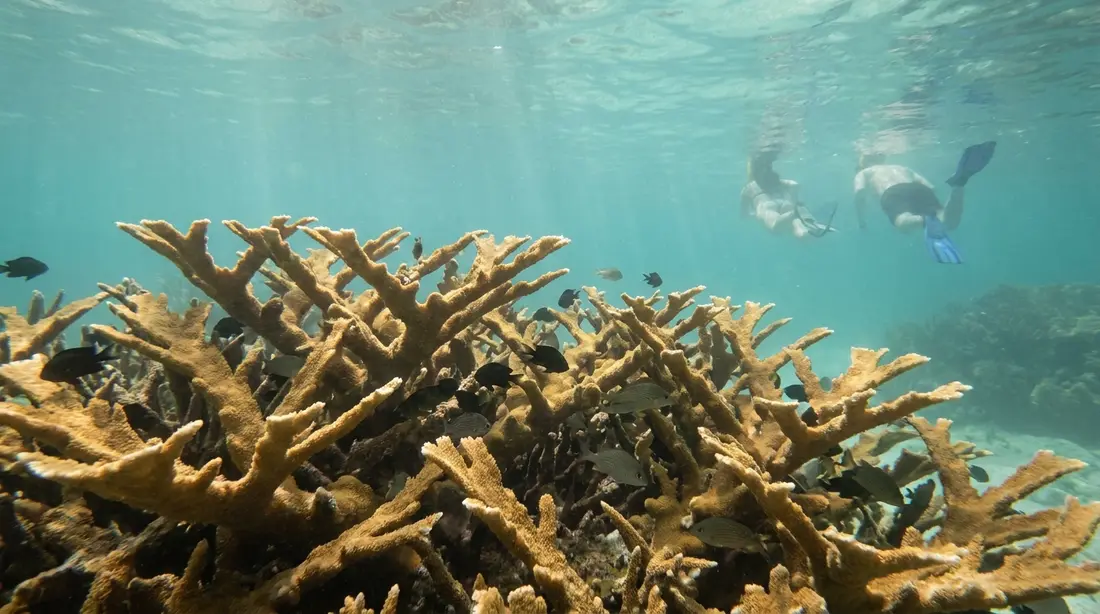
This is the part to read first, because a good share of St. Croix's most tempting shoreline is protected, and on protected land you take nothing at all, glass included. The rules are not suggestions and the penalties are real.
Three National Park Service units cover famous stretches of the island. Christiansted National Historic Site holds the old Danish waterfront; Salt River Bay National Historical Park wraps the 1493 landing area and its Columbus Landing Beach; and Buck Island Reef National Monument is a no-take marine reserve of more than nineteen thousand acres. Federal regulation 36 CFR 2.1 prohibits removing, disturbing or possessing natural, cultural or archaeological resources anywhere in these units, with fines that can reach several thousand dollars. Old glass on historic ground can itself count as a cultural artifact, so the safe reading inside any park boundary is to leave every object where it lies.
The same holds at Sandy Point National Wildlife Refuge on the southwest tip, which the federal Fish and Wildlife Service manages. Refuges prohibit collecting artifacts, minerals and objects of antiquity and ban metal detectors outright, and Sandy Point contains the Aklis site, a pre-Columbian archaeological area on the National Register. The refuge is also the largest leatherback nesting beach under the U.S. flag: it shuts entirely from April 1 to August 31 for the turtles, and through the remaining months it opens on weekends only, from 10 until 4. It is a place to walk and watch, covered in the sea turtle guide, not a place to fill a pocket.
Territorial law reaches the rest of the coast. Virgin Islands Code Title 12, section 906, bars removing sand, rock, coral, marine growth and other natural products of the sea from any shoreline without a Coastal Zone Management permit, and the Department of Planning and Natural Resources enforces it with fines. Shells and coral are covered; travelers have had them confiscated on departure, and coral carries additional federal protection. The single lawful exception is glass, because glass is litter rather than a natural or cultural resource. On nesting shores such as Ha'penny and the East End bays, tread lightly and stay clear of marked nests even where casual glass collecting is otherwise fine.
Where collecting is allowed
On an ordinary public beach, glass is the one thing you may carry off, precisely because it counts as trash the sea improved rather than a protected resource. That still leaves plenty of good ground, and the better guidance is to think in beach types rather than chase a secret spot, because a spot that gets named and stripped stops producing for everyone.
The west-coast town beach at Frederiksted is the island's known hunting ground, and it turns up the widest range of colors anywhere on St. Croix; that beach has its own detailed guide. Just south, Dorsch Beach mixes soft sand with rocky patches that catch glass, and the rockier western end of Rainbow Beach is a reliable backup; the whole west-end cluster is mapped in beaches near Frederiksted. What these share is the calm leeward water and a shoreline that turns over with the tide.
Collect the way you would want the next family to find it. Take a few good pieces, not a bucket; spread your walk out rather than clearing one patch; and come back on another tide instead of stripping a spot bare. The supply is old and finite, and a lightly worked beach keeps giving.
| Shore type | May you take glass? | What you find | Best window |
|---|---|---|---|
| Frederiksted town beach (public) | Glass yes; sand, shells, coral no | Widest color range on the island, including black glass | Low tide, morning after rough water |
| Dorsch and west end of Rainbow (public) | Glass yes; nothing living | Mixed colors around the rocky patches | Low tide, calm morning |
| Buck Island, Salt River, Christiansted NHS (NPS) | No, take nothing | Leave and photograph only | Not applicable |
| Sandy Point (wildlife refuge) | No, take nothing; often closed | Leave it; turtle beach | Sat and Sun 10-4, Sep through Mar |
| Turtle-nesting shores (Ha'penny, East End bays) | Glass yes, well clear of nests | Occasional glass | Daylight, off the nests |
Reading the tide, the light, and the weather
Timing turns a stroll into a productive hunt. Three conditions matter most, and the best mornings line up all three.
Work the low tide. Falling and low water exposes the most shoreline and uncovers the pebble and gravel bands where glass tends to settle, so a tide chart is the first thing to check the night before. Then watch the weather: rough seas and a big swell churn the beach and push a fresh load of pieces up from offshore, which is why the morning after a blow tends to be the best hunting of the week, while a long flat calm leaves the easy pieces already picked over. Finally, use the light. Low sun early or late makes frosted glass glow against wet sand, where the midday overhead sun flattens everything; wet glass also shows its color, while a dry frosted piece can hide in plain sight. Polarized sunglasses cut the surface glare and help the frost stand out.
Once you are on the sand, scan in zones rather than wandering. Comb the wrack line the last high water left, then the bands of gravel and small stones, then the clear shallows a step or two off the beach where pieces roll in the wash. Practiced hunters sift a handful of pebbles through the fingers or a kitchen colander to catch the small stuff. Keep one St. Croix trick in mind: the island carries a lot of black glass that reads as ordinary dark stone until you hold it up to the sun and it lights to deep olive. Pick up the dark pebbles and check them; most people walk straight past the rarest thing on the beach.
What the colors mean
A piece of sea glass is a small clue about what it used to be and roughly when. Color follows the original object, and it also follows rarity, because some colors were made in bottle quantities and others almost never were.
The common colors fill most handfuls. Kelly and bottle green come from beer, wine and soda bottles; brown and amber from beer, whiskey and old bleach bottles; white, which starts as clear glass and frosts to a soft cloudy tone, from clear bottles and jars. A step less common are the soft seafoam and aqua shades from old sodas, canning jars and window glass, and the teal of ink and mineral-water bottles.
Then come the finds that make a hunter's morning. Cobalt and cornflower blue trace back to medicine, poison and cosmetic bottles. Lavender and amethyst are a dating clue in themselves: clear glass made before about 1915 often used manganese as a decolorizer, and decades of sunlight turn that glass soft purple, so a lilac piece is almost always old. Red is the collector's grail, roughly one piece in several thousand, from tableware, ship and lantern glass and ruby glassware. Orange is rarer still and the hardest color to find anywhere, because it was almost never mass-produced. On St. Croix, though, the standout is not rare at all: black glass is common here and constantly overlooked. Rarity is partly regional, in any case, because a beach can only give back what the population behind it once threw away; St. Croix's long colonial and maritime past is why its shoreline skews toward old bottle glass and the deep near-black shades rather than the modern colors a young resort coast produces.
| Color | Likely origin | How often you see it |
|---|---|---|
| Green | Beer, wine and soda bottles | Very common |
| Brown / amber | Beer, whiskey and bleach bottles | Very common |
| White / clear | Clear bottles and jars | Very common |
| Seafoam / aqua | Old sodas, canning jars, window glass | Common |
| Teal | Ink and mineral-water bottles | Less common |
| Black (deep olive) | Thick, very old bottle glass | Common on St. Croix, easily missed |
| Cobalt / cornflower blue | Medicine, poison, cosmetic bottles | Uncommon |
| Purple / amethyst | Clear glass made before about 1915, sun-turned | Uncommon |
| Red | Tableware, lantern and ruby glass | Rare, about one in several thousand |
| Orange | Art and specialty glass | Rarest of all |
Sea glass and chaney
The same tides and the same old estate ground hand up a ceramic cousin to sea glass, and on St. Croix it has its own name: chaney. The word splices china and money, because generations of Crucian children rounded off the sharp edges of broken colonial tableware and used the smooth discs as play coins and hopscotch markers. The fragments are pieces of the European plates, cups and platters that Denmark, England, France and the Netherlands imported for three centuries, and they surface in the soil and along the shore, especially after heavy rain.
Telling chaney from sea glass takes one look once you know the difference. Sea glass is vitreous, translucent glass, frosted on the surface but see-through when you wet it and hold it to the light. Chaney is opaque fired ceramic, usually earthenware or porcelain, often blue-and-white or patterned transferware, with a glazed face, a chalky broken edge, and a gentle curve left over from the plate or bowl it came from. Chaney also skews older, with most pieces dating from roughly 1750 to 1900, old enough that on protected federal or park ground it counts as an artifact and must be left where it lies.
The two traditions meet at the jeweler's bench. Island shops set both sea glass and chaney into silver and gold, and Chaney Chicks in Christiansted will even mount a shard you found yourself. The full story of chaney, the colonial history behind it, and the benches that work it, from Crucian Gold to ib designs, lives in the St. Croix hook bracelet guide, so this page points you there rather than repeating it.
Spotting genuine glass
Real sea glass and factory-tumbled craft glass turn up on the same beaches now, and it is worth being able to tell them apart before a piece goes in the bag. Genuine sea glass is frosted evenly over the whole surface, including inside any old chips, with a soft satiny finish and thoroughly rounded edges. Under a loupe the surface shows fine C-shaped pits from years of sand contact, and the piece stays frosted when it dries.
Craft glass sold in bags is spun in a machine tumbler for days rather than shaped by decades of sea, so it comes out uniformly smooth, often a little too glossy, and without the natural pitting; sometimes a bag of it gets scattered on a beach and confuses the picture. A piece frosted on one face but glossy on the other simply has not spent long in the water. The quick field test is to wet the piece: true sea glass keeps its frost as a soft haze over the color, while craft or fresh glass goes fully clear and shiny. Old glass often carries other tells, a slight thickness, faint bubbles in the material, an odd tint no modern bottle uses.
Collectors sort what they keep by the same qualities. An evenly frosted, well-rounded piece with no unfrosted chips is treated as jewelry grade and is the kind a bench will set; a piece with a fresh sharp chip, a glossy face or a still-sharp edge is a lower grade that most hunters toss back to let the sea finish the job. Judging your own finds this way, and returning the unfinished ones, keeps the beach seeding itself.
Hunting with children
Sea glass turns a beach walk into a treasure hunt, which is why it holds children who will not sit still on a towel. Small eyes are good at this, close to the ground and quick on color, and a young hunter with a plastic cup and one color to find can work a shoreline happily for an hour. Assigning colors helps: the youngest chases common green and white, an older sibling hunts blue, and everyone keeps an eye out for a dark pebble that lights up.
The rules make a clean game, too. Glass goes in the cup; anything alive or natural stays on the beach. Run that way, a morning of sea glass quietly teaches the take-nothing habit that the protected beaches require, without a lecture. It folds neatly into a west-end stop on the family itinerary.
Mind the usual west-coast cautions. Water shoes earn their place on the pebble and rock patches, where sea urchins sit; a hat and reef-safe sunscreen handle the low-tide sun; and it is worth glancing at each find before it goes in the bag, since an occasional fresh, sharp shard has not finished tumbling and should go back.
What to do with your finds
Most sea glass ends its travels as a jar on a windowsill, and that is a fine end for it; a shallow dish of frosted colors catching the morning light is the plainest and best St. Croix keepsake there is. Sorting a trip's haul by color on a kitchen table is half the pleasure and a good rainy-hour job for the kids.
For a standout piece, the island's benches will set sea glass, like chaney, into silver and gold, and Chaney Chicks will mount a shard you carried in yourself, which makes a souvenir with an actual story behind it. The jewelry side of all this, including the shops and how to buy well, is covered in the hook bracelet guide; if you want a piece set before you fly home, hunt in the first days of the trip so there is time.
What you leave counts as much as what you keep. Photograph the pieces you cannot take, which on any protected shore means all of them, and on the public beaches leave enough behind that the next tide and the next hunter still have something to find.
Questions guests ask
Is it legal to take sea glass home from St. Croix?
From ordinary public beaches, yes. Glass counts as litter rather than a natural or cultural resource, so it is the one thing the rules let you pocket. Sand, shells and coral are a different matter: territorial law protects them, and travelers have had shells confiscated on departure. And on federal ground, Buck Island, Salt River Bay, the Christiansted National Historic Site and the Sandy Point refuge, you may take nothing at all, glass included, because those units protect every object inside their boundaries. When you are unsure which kind of beach you are standing on, the safe move is to leave it.
What is the best beach for sea glass?
The town beach at Frederiksted, on the calm west coast, is the island's known ground and turns up the widest range of colors, so most hunters start there. Dorsch Beach just south and the rocky western end of Rainbow Beach are the usual backups, and the whole cluster is described in the Frederiksted beach and beaches-near-Frederiksted guides. Do not expect a secret spot; the productive ground here is public and well walked, and the courtesy is to take a few pieces and leave the beach for the next person rather than clearing it.
When is the best time to hunt?
Low tide, and the morning after rough water. A big swell turns the beach over and delivers a fresh load of pieces from offshore, while low water uncovers the pebble bands where glass collects. Low sun early or late makes frosted glass glow against wet sand, so first light is ideal on two counts, since it is also when the beach is emptiest. Give it a slow half hour with your eyes on the high-water line and the gravel, and most walkers leave with a pocketful of the common colors.
What is the rarest color I could find?
Orange is the rarest sea glass color anywhere, and red is the famous one, prized at roughly a single piece in several thousand; both came from glass that was almost never made in bottle quantities. On St. Croix, the color worth training your eye for is not rare here at all: black glass, thick and very old, is common on these beaches and almost always missed. Pick up the dark pebbles and hold each one to the sun; the ones that light up deep olive are the find.
What is the difference between sea glass and chaney?
Sea glass is tumbled bottle or window glass, translucent and frosted, and see-through when wet. Chaney is broken colonial china, opaque fired ceramic, usually blue-and-white and curved like the plate or cup it came from, with a chalky edge and a glazed face. Chaney also runs older, roughly 1750 to 1900, old enough to count as an artifact, so it must be left on any protected ground. The hook bracelet guide covers chaney in full, along with the island jewelers who set both it and sea glass.
Can I have my sea glass made into jewelry on the island?
Yes. Christiansted's jewelry benches set sea glass and chaney in silver and gold, and Chaney Chicks will mount a piece you found yourself. The hook bracelet guide lists the shops and their locations in old town. The practical tip is to hunt early in your stay: a made-to-order setting needs time, so a piece found on day one can be sitting on your wrist by the end of the week, while a last-afternoon find has to be mailed to you later.
A low-tide morning from a beach house
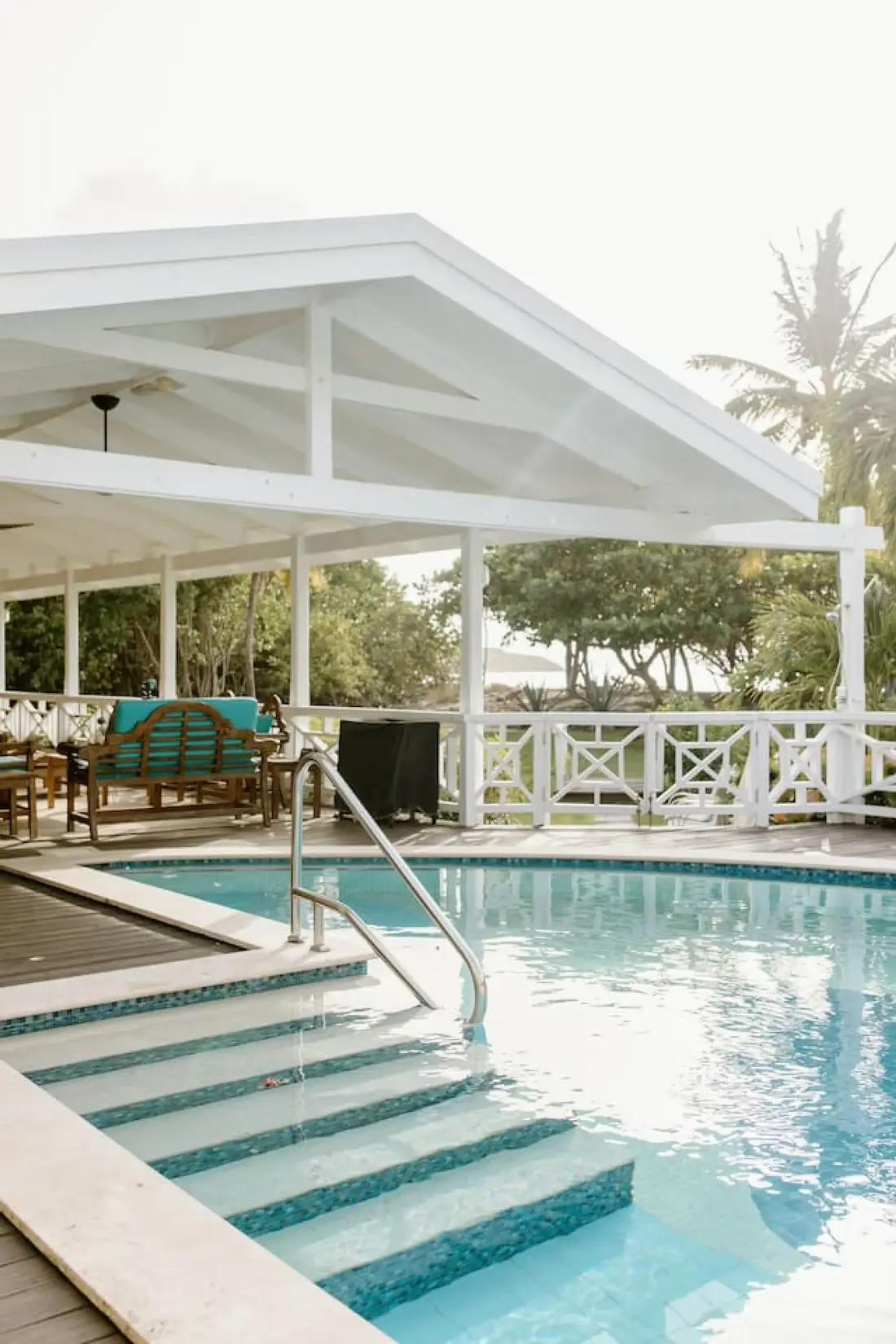
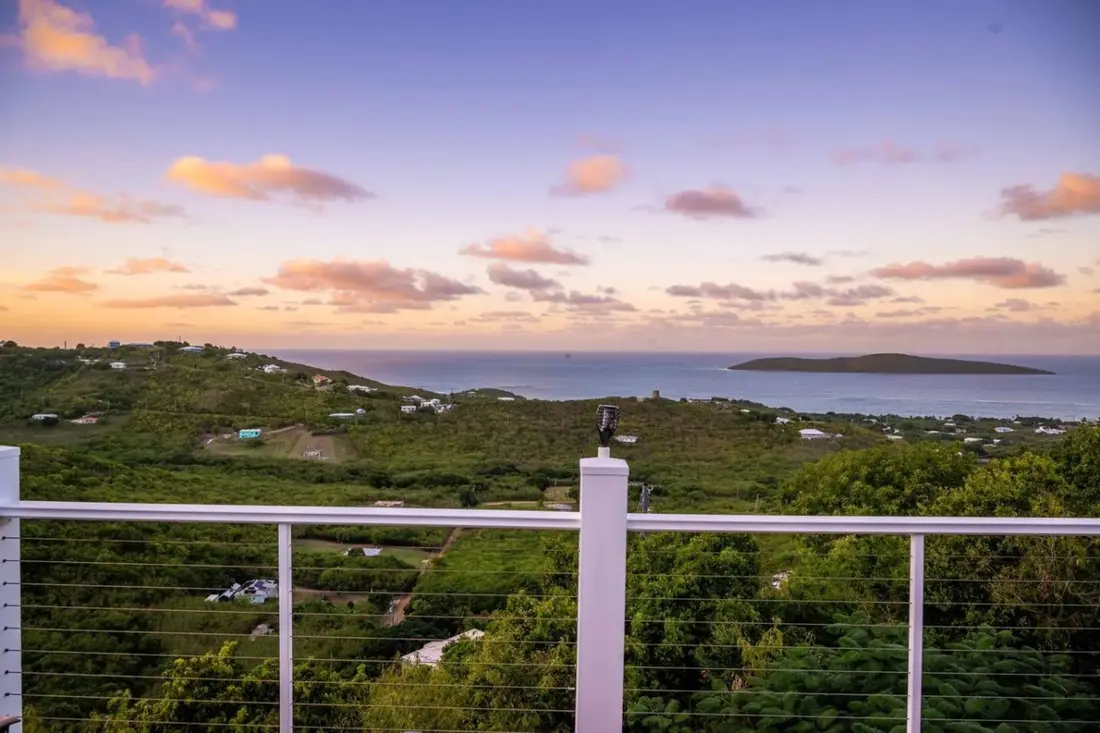
Sea glass rewards whoever is already on the sand at first light, which is the quiet advantage of a beach-house stay over a day trip. In Frederiksted itself, a short walk from the island's best glass ground, sits Sunset Sea-Clusion, our home on the west coast, which makes a low-tide comb before coffee simply part of the morning. Our other west end villas put the town beach, Dorsch and Rainbow a few minutes down the road. Over on the east side, Shoy's Beach House opens onto its own calm crescent for an early walk before the day turns to Buck Island or Christiansted. Browse all of our villas and condos and pick the shoreline you would like to wake up beside.
Sources
Written from official and first-party sources, checked August 2026. Hours, prices and event dates change — confirm before you go.
In this guide
Stay nearby
Private oceanfront on the East End with a sandy, swimmable beach, pool, outdoor kitchen and a separate guest cottage. Sleeps twelve.
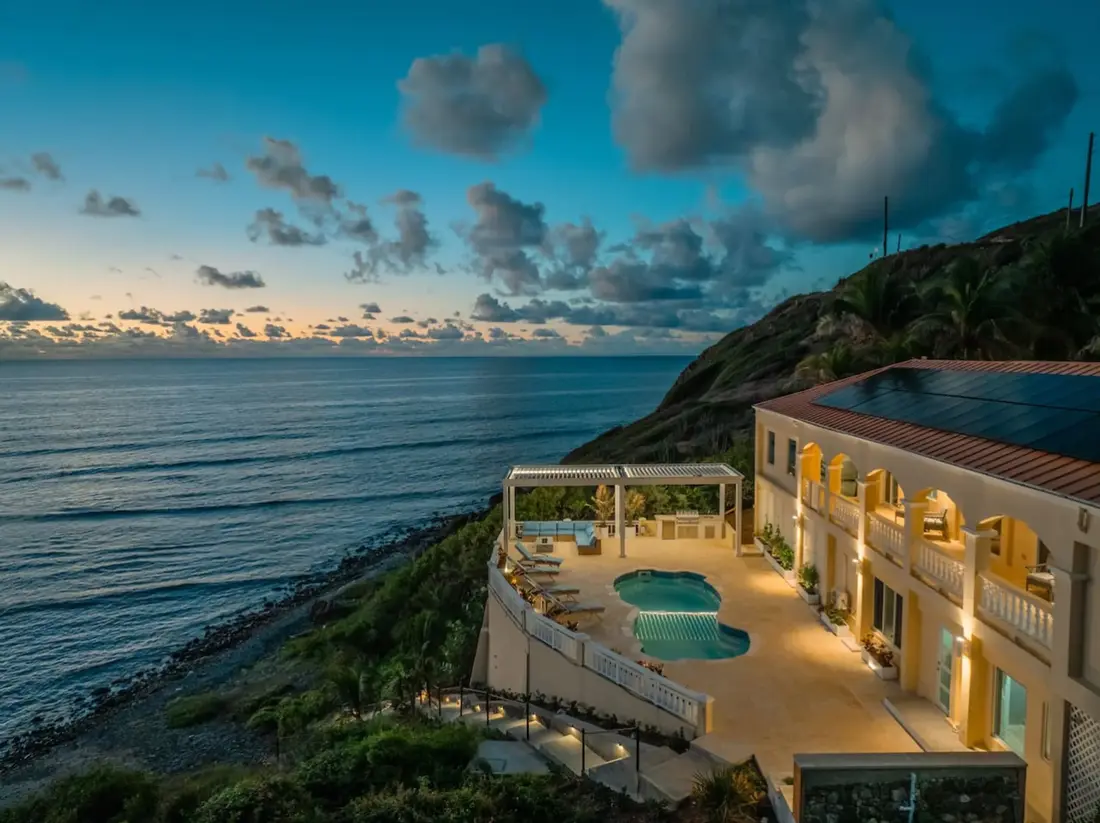 The Cerulean5 bd · 5 ba · sleeps 12 · Christiansted
More in Nature & Wildlife
Sources
12 references, listed in full at the end of this guide — official park, refuge, tourism-board and business sources, checked August 2026.