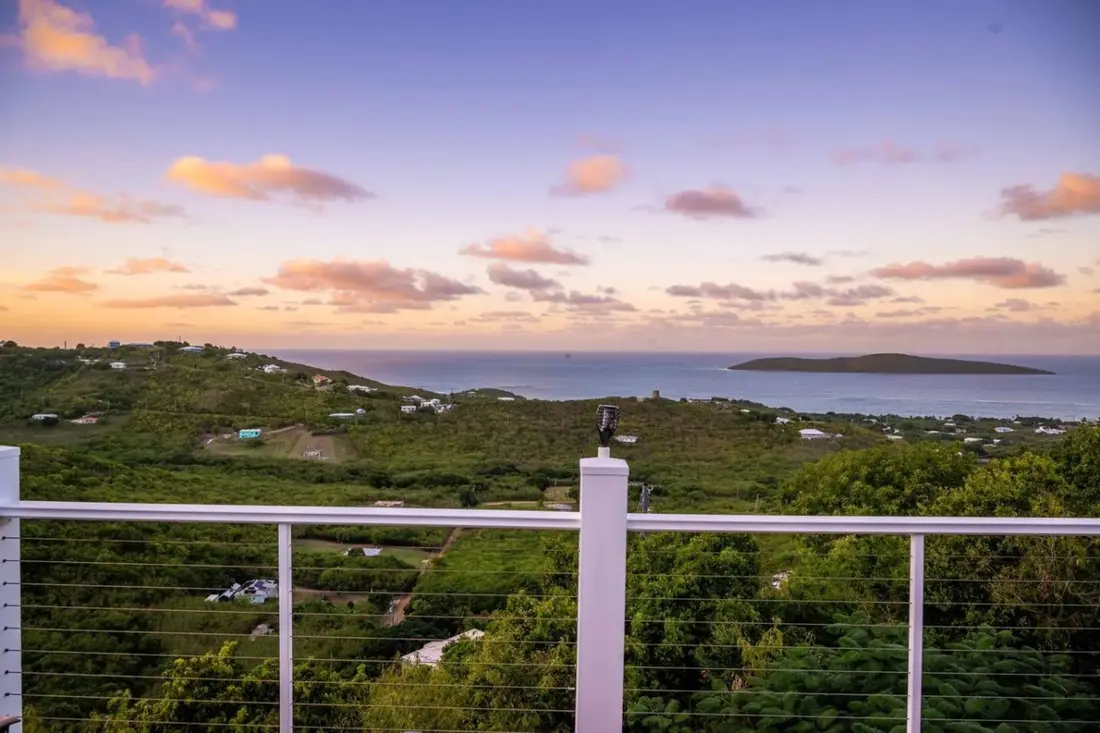
Three Days on St. Croix
A long weekend that earns its flights: Buck Island, one town per day, and a sunset you'll measure the others against.
Three days on St. Croix rewards commitment. The trips that work pick one coast, base on it, and live inside it for the whole stay; the trips that disappoint try to sample the entire island and spend their shortage of hours behind a windshield. This page builds both versions of the committed long weekend — an east plan and a west plan, each complete, day by day — then explains how to choose between them, what a three-day visit cannot carry, and how the flight schedules shape a Friday-to-Monday trip in the first place.
Why one coast
The math is short. St. Croix measures around 22 miles end to end, with Christiansted up in the northeast corner and Frederiksted on the west shore, and the run between the two towns eats about forty minutes each way in a car you will be steering on the left side of the road. On a week-long trip that crossing is a rounding error. On a three-day trip it is a meaningful slice of your total daylight, and every plan that includes it twice has quietly donated an afternoon to the road.
Now subtract the fractions. Day one starts at an airport and includes a rental counter, a grocery stop, and finding the house; day three ends at an airport and includes packing, returning the car, and a pre-flight bag screening. What a three-night booking actually contains is one whole day and two partial ones. A single coast of St. Croix fills that shape perfectly — each side of the island holds a signature water day, a town with real history, food worth sitting down for, and a beach for every spare hour. Spread across both coasts, the same three days produce a highlight reel viewed mostly through glass.
Two arrangements have to happen before you fly, and both apply to either plan. First, the car: the island has no Uber and no Lyft, the rental fleet is finite, and a reservation made alongside the flights costs nothing — the car guide covers agencies and the left-side adjustment, which takes most drivers about a day. Second, whichever booked-capacity item anchors your plan: the Buck Island boat for the east weekend, or the distillery tour slot for the west one. Those gates appear inside the plans below, on the days they belong to.
Plan A: the east weekend
Base for this plan: any of the Christiansted-area homes or the East End hillside villas. The whole plan happens within about twenty-five minutes of the door, and its centerpiece — the boat to the reef monument — leaves from this side of the island.
Day one: land, swim, settle
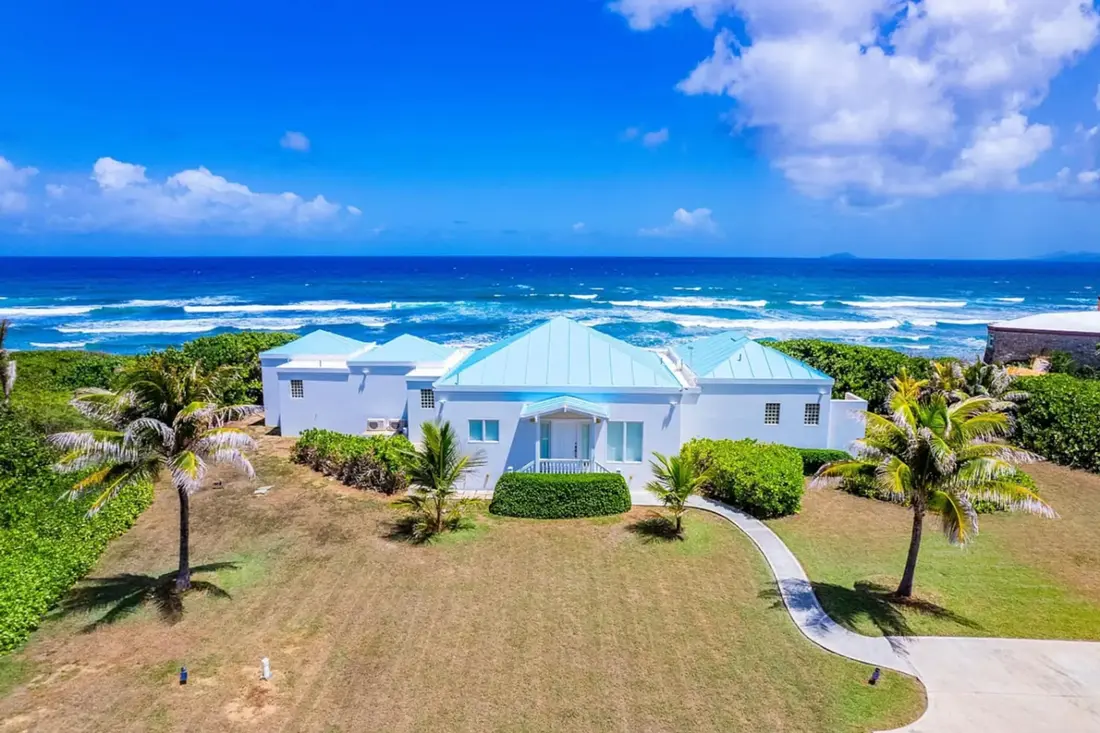
Most flights put you on the ground with afternoon remaining. Spend it in this order: collect the car, buy groceries on the drive out (a stocked kitchen is worth more per hour on a short trip than on a long one — Seaside Market and Plaza Extra both work), drop bags, and get into the sea before the light goes. The shakeout swim is the point of the whole afternoon; it converts arrival day into vacation day. Chenay Bay is the easy choice — shallow, protected, with turtles working the seagrass — and guests staying at Shoy's Beach House have The Shoys at the bottom of the lawn, a calm crescent reached through the Estate Shoys guard gate near The Buccaneer for everyone else.
Dinner is the East End's own: Duggan's Reef sits at the water on this side of the island, and a call ahead beats walking in. If the group is running on airport food and fumes, the deck and the grocery bags are a legitimate first night; Christiansted's tables will still be there tomorrow. Before bed, confirm the boat — the reservation you made from home — and glance at the moon phase, which decides one optional evening later in the plan.
Day two: the monument day
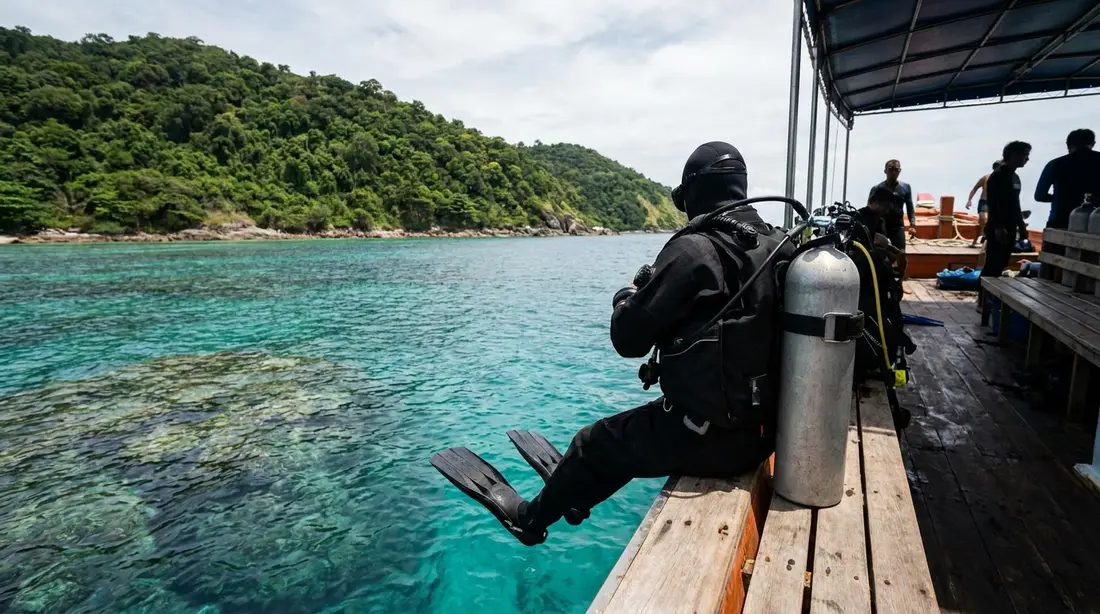
This is the day the east weekend is built around, and it carries the plan's hard booking gate: passage to Buck Island Reef National Monument runs only through a small roster of Park Service concessionaires with fixed seat counts, so this reservation happens before the trip does, ideally two to four weeks ahead in season. From the Christiansted waterfront the permitted boats include Jolly Roger, Big Beard's, and Caribbean Sea Adventures; Teroro II and Dragonfly load on the East End side, which saves East End guests the drive to town. The boat tours guide compares all of them, half day against full day.
Early risers can open the day with a detour that costs almost nothing from an East End base: Point Udall is the easternmost ground in the United States, a drive-up overlook with the millennium sundial that marked the country's first light of the year 2000, and dawn there wraps up long before any boat loads. Coffee travels well.
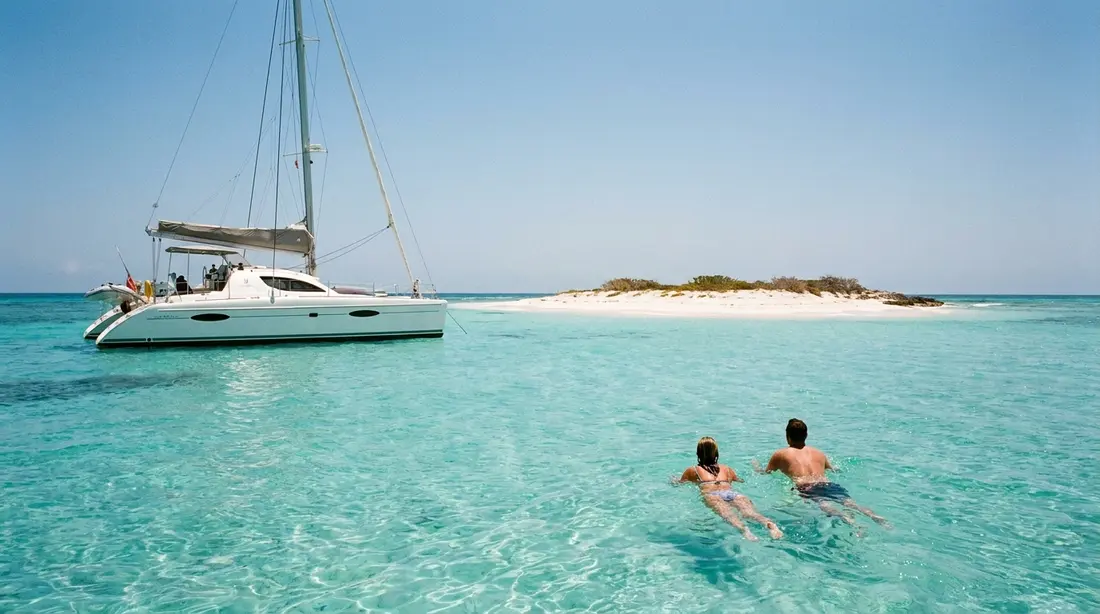
Then the crossing — somewhere between forty and ninety minutes depending on the vessel and the breeze. The monument has held federal protection since 1961, the surrounding water is a no-take reserve, and the payoff is the marked underwater snorkel trail through the east lagoon, one of a bare handful of such trails in the country, followed by an hour on Turtle Beach, the powder-white strand along the islet's western side. Ordinary swimming ability is the only requirement; guides run the trail and the boats carry flotation. Budget the whole middle of the day and expect to come back pleasantly used up.
The evening has two versions. The default: shower, then Christiansted for dinner — Savant and Rum Runners are the standing recommendations, and the harbor boardwalk makes a good slow lap afterward. The alternate, available only if the moon is in its dark stretch: a night paddle on the bioluminescent bay at Salt River, about twenty-five minutes from town. Moonlight washes the glow out, so the outfitters schedule around the lunar calendar; if your dates land in the bright half of the month, skip it without regret and eat the longer dinner.
Day three: town, then the airport
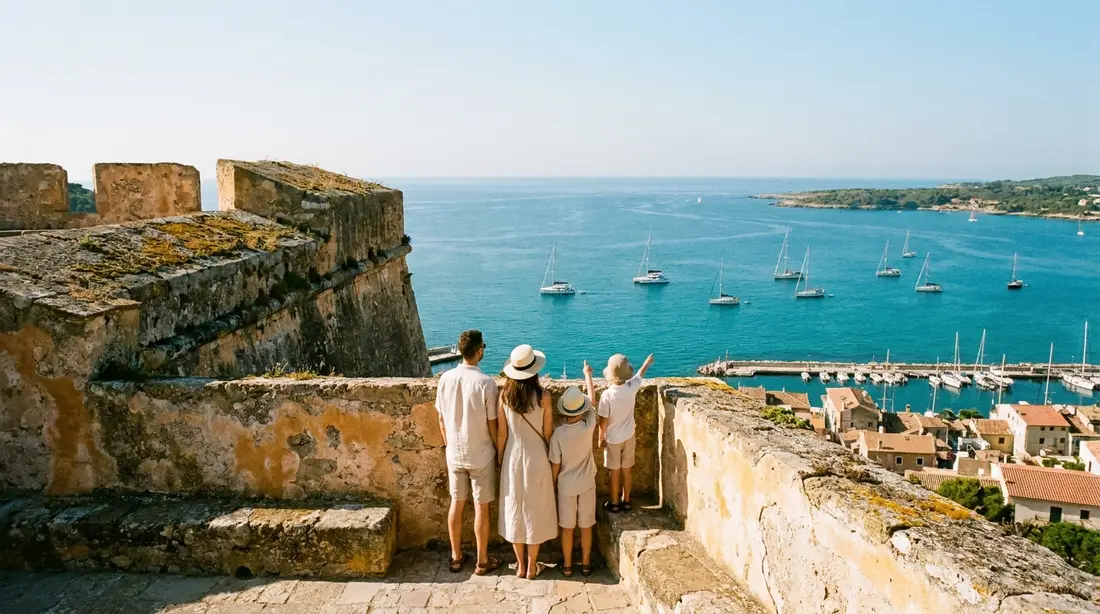
The last morning belongs to Christiansted, and the trick is starting it early. Breakfast at Toast or Frescos, then the fort while the air is still cool: Fort Christiansvaern takes visitors from 8:30 in the morning at last check, and its ramparts, cells, and cannon need less than an hour. The surrounding National Historic Site — the Steeple Building, the Scale House, and the old Danish customs house — occupies a few compact blocks, and the town around it teaches on its own: pastel Danish masonry, red roofs, arcaded sidewalks built for shade in the 1700s, and the streets where Alexander Hamilton spent his boyhood and clerked before New York. The Christiansted guide walks the loop building by building. Two hours covers it well, which is exactly the size of hole a departure day has. Then the sequence runs in reverse: house, bags, car, and the airport fifteen to twenty minutes away. The last-swim question gets its own section further down.
Plan B: the west weekend
Base for this plan: the Frederiksted side — Sunset Sea-Clusion is our home on that coast — and the geometry is even tighter than the east's, because Henry E. Rohlsen Airport sits only ten to fifteen minutes from town. This is the weekend for sunset people, history people, and anyone traveling in the September-to-March window when the refuge beach is open.
Day one: land and face west
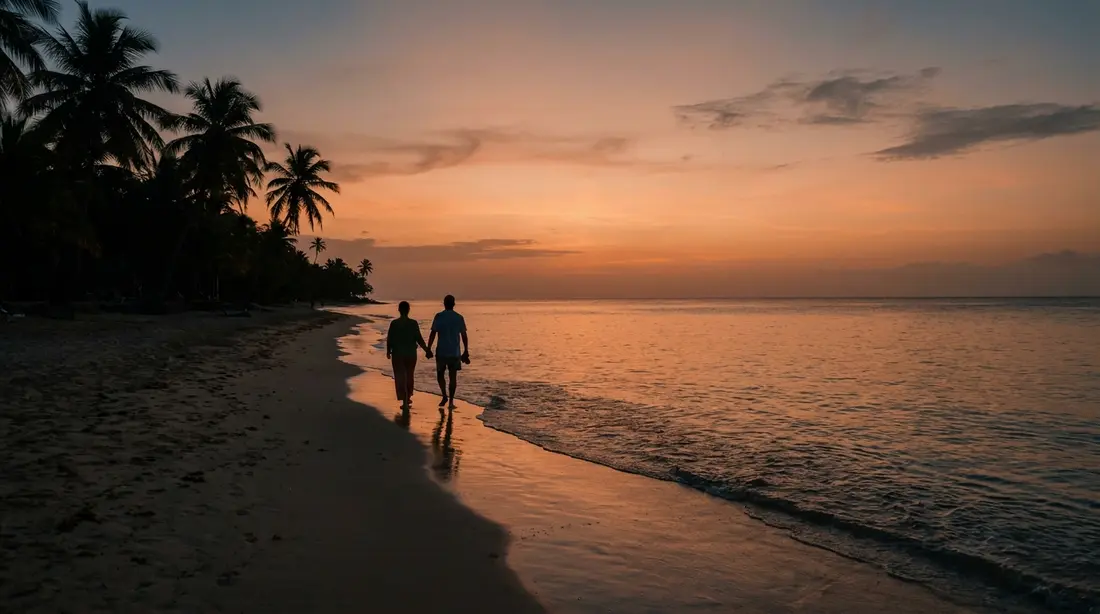
Same arrival drill, shorter drive: car, groceries on the way in, house, water. The west coast's signature hour arrives at the end of the day, so aim the afternoon at Rainbow Beach just north of Frederiksted — calm water, chairs for rent, West End Water Sports for anything with a paddle or a motor, and Rhythms, the beach bar that has held its corner for about three decades. Stay put as the sun drops, because this is the island's over-water sunset coast and the east side cannot offer one. Dinner options in and near town include Beach Side Cafe down at Sand Castle and Louie and Nacho's in Frederiksted proper.
Day two: rum or sugar, then the fort and the pier
The full west day pairs one reserved tour with an unhurried town afternoon, and the tour is the plan's booking gate — handled a few days ahead, and it decides which weekday this must be. Pick one of two, never both:
- Cruzan — distilling at Estate Diamond goes back to 1760, the Nelthropp name is still on the operation, and the working-distillery tour holds weekday slots at noon, half past one, and three o'clock at last check, reservations requested. The distillery guide has the details; bottles ride home in checked luggage.
- Estate Whim — the restored sugar plantation where the mill and the grounds tell the story of the crop that made the island's fortunes. Damage from the 2017 storms keeps the great house's interior off the tour, so the visit stays outdoors, and the museum posts a short week — Wednesday and Saturday openings at last check — which may settle the scheduling question by itself. The Whim guide covers it.
The afternoon is Frederiksted itself. Fort Frederik, the red fort on the waterfront, is where roughly eight thousand people led by General Buddhoe assembled in July 1848 and where Governor-General von Scholten proclaimed emancipation from the ramparts; the visit is short and it reframes the whole coast. Snorkelers get the west end's quiet marvel next door: the Frederiksted pier's pilings hold seahorses and octopus in easy depths, and the pier guide covers entries and etiquette. Close the day the same way the coast always does — sunset over open sea, either from the sand or, booked ahead, from the deck of a Frederiksted sunset sail. Eat in the west again; the point of this plan is never needing the highway.
Day three: the refuge, if the calendar allows
Here the west weekend plays a card the east cannot match, on the right dates. Sandy Point National Wildlife Refuge is two unbuilt miles of white sand at the southwest corner of the island — the largest leatherback nesting ground under U.S. jurisdiction, and famously said to be the beach in the closing scene of The Shawshank Redemption. Its gates open on weekends only, 10 to 4, from September through March, and the refuge closes completely from April through August for turtle nesting. If your day three is a Saturday or Sunday inside the open window, the morning writes itself: gates at ten, an hour or two of the emptiest sand you will find on the island, and an airport that sits just up the road. Outside the window, substitute Dorsch Beach or the town beach — sea glass territory — and lose nothing but the story. Then bags, car, flight.
The one-crossing compromise
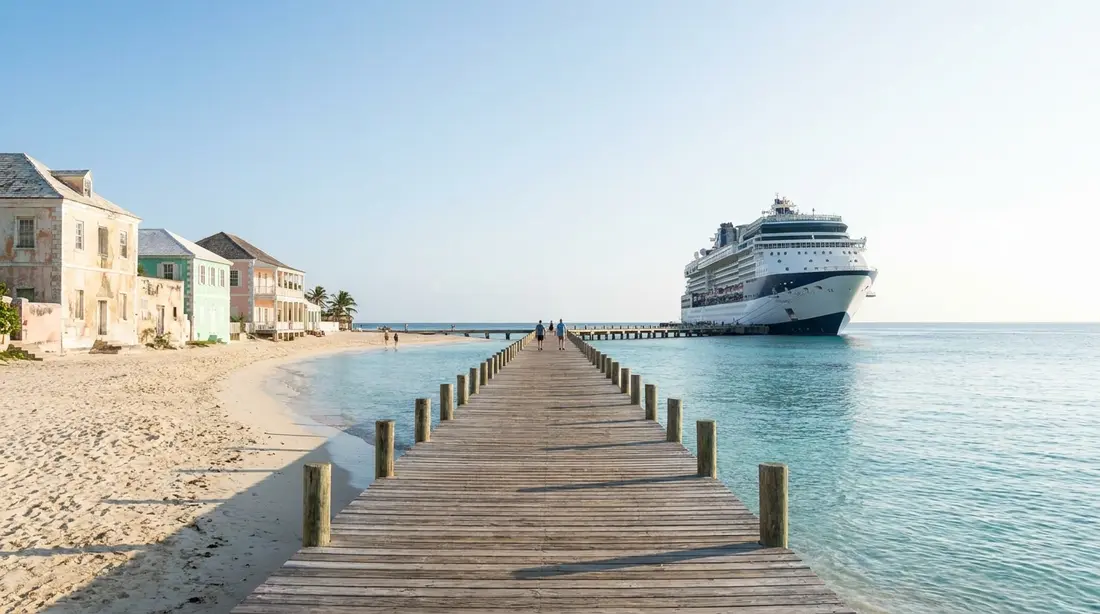
Some groups will read the one-coast rule and reject it, and there is exactly one respectable way to cheat: a single crossing, made once, in the shape the island's geography wants. From an east base, trade the boat day — that is the real price, so weigh it — for this drive: Route 80 west along the north shore to Cane Bay, where the reef shelf runs about a hundred yards out to the lip of the famous wall and The Landing pours lunch steps from the sand; then up and over Mahogany Road, where the rainforest closes above the pavement and the Domino Club has been serving under the canopy since 1971, cash only, pigs in residence; then downhill to the Frederiksted waterfront for fort, pier, and a Rainbow Beach sunset before the forty-minute run home in the dark. It is a great day. It is also the entire west plan compressed to snapshots, which is the argument this page keeps making: if that drive is what you want most, base west and have it slowly.
Choosing between the plans
The villa settles most of it. A three-day trip has no slack to fight its own base, so the plan follows the address: homes in and around Christiansted and on the East End run Plan A, and a west-side booking runs Plan B. Put differently, choose the coast first — boat weekend or sunset weekend — and then book the home that sits inside it, rather than booking a house and hoping the trip bends around it. At three days, it will not bend.
Season applies two nudges. A few times each winter a north swell wraps the island's corner and puts shore-break on the normally flat west and north coasts for a day or two, which briefly favors the east plan's sheltered bays — the weather guide has the month-by-month pattern. And Sandy Point's calendar cuts the other way: a Saturday-or-Sunday departure between September and March is the only alignment that puts the refuge inside a three-day trip, and travelers who care should steer the whole weekend west to collect it.
What three days cannot hold
A short trip stays pleasant by refusing things early, so refuse these on the flight down.
- The full island loop. The perimeter drive is a proper day with stops, and on a three-day visit that day does not exist. The one-crossing compromise above is the most loop you can afford, and it costs the boat.
- A dive certification. An open-water course runs three to four days of classroom, pool, and checkout dives — the entire trip, in other words. Certified divers can fit one shore dive into either plan; everyone else should read the learn-to-dive guide and book the longer trip it implies.
- Both coasts, properly. The deep east-plus-west double — monument day and distillery day and both towns and both signature beaches — is a five-day trip wearing a three-day costume. The five-day page is built around exactly that set of anchors, and the week version adds the breathing room.
- The St. Thomas side trip. Seaplane and ferry make the hop easy on paper; spending a third of your island time on a different island decides itself.
- Anything that waits on conditions. The Annaly Bay tide pools need low tide, calm seas, and a spare morning held in reserve — three things a long weekend cannot supply. Same for holding out for a dark moon that your dates do not contain.
The half days
Arrival first. An afternoon landing leaves room for the full sequence in either plan — car, food, house, swim — and the swim is the item to protect; if something has to drop, drop the unpacking. A landing near dark gets the shorter list: the car first, a single bag of basics if any store remains open, then the house and sleep, with the real grocery run folded into the next morning. Do not respond to a late arrival by setting a brutal alarm; on a three-day trip the temptation is stronger and the payback is worse, because there is no slow day later to absorb it.
Departure is arithmetic. St. Croix's airport routine is domestic with one extra step — an agriculture screening of checked bags ahead of the counter — so give it a standard domestic buffer plus a little. Work backward from wheels-up: a mid-afternoon flight leaves room for a real morning (the fort loop in Plan A, the refuge or a last beach hour in Plan B) with bags closed by late morning; a flight before noon leaves room for coffee and the drive, and the correct move is to have taken the farewell swim the evening before, deliberately, instead of gambling it on a rushed dawn. Wet swimsuits travel in a plastic bag — island humidity dries nothing overnight — and any rum purchased on the west day goes into checked luggage, a rule worth remembering before the bags are zipped.
The case for doing less
One more plan deserves a paragraph, because for some groups it beats both of the ones above: arrive, swim, spend the middle day on the Buck Island boat or under an umbrella at Rainbow, and go home. A villa with a pool, one signature day on the water, and a stack of unscheduled hours is a complete vacation, and nothing about a short stay obligates you to maximize it. The island has been collecting return visitors for a long time on exactly this experience: a taste, a direct flight home, and a longer booking the following winter. If the choice is between a serene half of St. Croix and a frantic all of it, the serene half wins on every measure that survives the flight back.
Getting here for a long weekend
The flight map decides whether a Friday-to-Monday version of this trip exists from your city, and in August 2026 the answer splits by hub. Miami is the workhorse: American's nonstop runs year-round, one to three times daily by season, about three hours in the air, and it is the one gateway where flying down Friday and home Monday works on nonstops in both directions — the Miami page maps it hour by hour. Charlotte and Atlanta run Saturday-only nonstops in the shoulder season (American from November 7 and Delta from November 14, 2026; both go daily in mid-December), which reshapes the weekend into Saturday-to-Tuesday, or pairs one nonstop leg with a connection the other way; both cities gain near-daily service in mid-December 2026, at which point the true long weekend opens up across the Southeast. New York joins with United's Saturday Newark nonstop beginning October 31, 2026 — the first New York-area nonstop in more than thirty years. Any other day and any other city connects through those hubs or through San Juan, where Cape Air and Fly The Whale run the short final hop; the getting-here guide and the fly-from pages carry current schedules, which shift by season and are worth re-checking close to booking.
There is also the short-hop version of this trip, and it deserves its own line because it produces some of the best long weekends of all: travelers already in the Virgin Islands or Puerto Rico. From St. Thomas, Cape Air and Fly The Whale connect the two airports many times a day in small aircraft, Seaborne's seaplane links Christiansted Harbor with Charlotte Amalie's waterfront in around 25 minutes when it is running (one aircraft holds the route in 2026, so schedules vary — confirm close to travel), and the QE IV ferry makes the crossing in about two hours ten minutes for roughly 70 dollars one way at last check, with no Tuesday sailings on the current timetable. A St. Thomas visitor who gives St. Croix three committed days this way frequently comes back and gives it a week.
Pack accordingly: a three-day trip fits in a carry-on with room left over, since the island dress code tops out at dinner-casual and the villa has laundry — the packing list trims it to essentials. One more logistical note for U.S. citizens: the whole trip runs on a driver's license. No passport is needed in either direction, which is a real advantage when the trip is planned two weeks out instead of six months.
Both plans at a glance
| Day | East plan | West plan | Arrange ahead |
|---|---|---|---|
| One | Land, provision, shakeout swim at Chenay Bay or The Shoys, dinner at Duggan's Reef or in | Land, provision, Rainbow Beach afternoon into sunset, dinner near Frederiksted | Rental car, booked with the flights |
| Two | Point Udall at dawn (optional), Buck Island boat, Christiansted dinner; bio bay paddle on a dark-moon night | Cruzan or Whim tour, Fort Frederik, pier snorkel, second west sunset or a sunset sail | East: the boat, weeks out. West: the tour slot, days out; sail seats early |
| Three | Fort Christiansvaern and the old town early, then the airport | Sandy Point if a weekend day in season, else Dorsch or the town beach, then the airport | Nothing; protect the departure buffer |
Questions guests ask
Is St. Croix worth flying to for only three days?
From the eastern half of the U.S., yes, with one condition: commit to a single coast and accept the trip for what it is. Flight time from Miami is about three hours, U.S. citizens skip passports and foreign customs entirely, and a committed east or west weekend delivers a complete experience rather than a preview reel. From the West Coast or anywhere requiring two connections, the travel fraction starts to swallow the trip, and the better play is saving the fare for a five-night stay.
Which coast should a first-time visitor pick?
Default east. The east weekend contains the island's single most distinctive day — the monument boat and the underwater trail — plus Christiansted's history, and most of the villa inventory sits on that side. Pick west when the dates hand you a September-to-March weekend for Sandy Point, when sunsets over water outrank boats in your group's rankings, or when a west-side home is the one you want. There is no wrong answer, only a wrong amount of driving.
Does Buck Island really fit in a three-day trip?
Comfortably, if it gets the middle day and the reservation precedes the flight. The half-day format leaves the afternoon for recovery, and East End departures shorten the logistics further. What the short trip lacks is insurance: on a week-long visit a wind cancellation slides to another morning, while here the middle day is the only candidate. Book the earliest departure offered, and if the forecast looks ugly when the operator calls, take whatever alternate slot they can find rather than surrendering the day.
Do I need a rental car for a stay this short?
Yes, and it is the first reservation to make. The island runs on private cars — no rideshare apps operate here — and while taxis exist, building three days around dispatch times burns the exact hours the trip cannot spare. Driving is on the left in ordinary U.S.-style cars, most visitors adjust within a day, and the one-coast structure of this page keeps every drive short anyway. Book when you book flights; on winter weekends the agencies run out.
What happens if weather takes out the boat day?
The east plan bends instead of breaking. The town morning moves up a day, the calm bays absorb the extra beach hours, and the pier or Cane Bay offers a shore-entry snorkel that runs in most conditions that cancel boats. It is a lesser version of the weekend and there is no pretending otherwise — which is why the boat gets the middle day, the earliest slot, and a same-trip rebooking attempt before anything else is considered.
Can I fit the bioluminescent bay into three days?
Only when the moon cooperates. The glow reads best on the dark stretch of the lunar month, outfitters schedule accordingly, and a three-day window either overlaps that stretch or misses it — there is no waiting it out. Check a moon calendar against your dates before booking anything; if they align, attach the paddle to the east plan's second evening. If they miss, drop it cleanly. It is the island's best argument for a return visit on darker dates.
Which plan works better with kids?
East, in most cases. Chenay Bay's shallow water is the island's easiest swimming for small children, the boat operators take families constantly (check each boat's age guidance when reserving), and the fort's cannon hold a child's attention longer than a distillery ever will. The west plan earns family points in the September-to-March window, when a Sandy Point Saturday gives kids two miles of sand and, in the right months, a turtle story they will retell for years.
Homes for a three-night stay
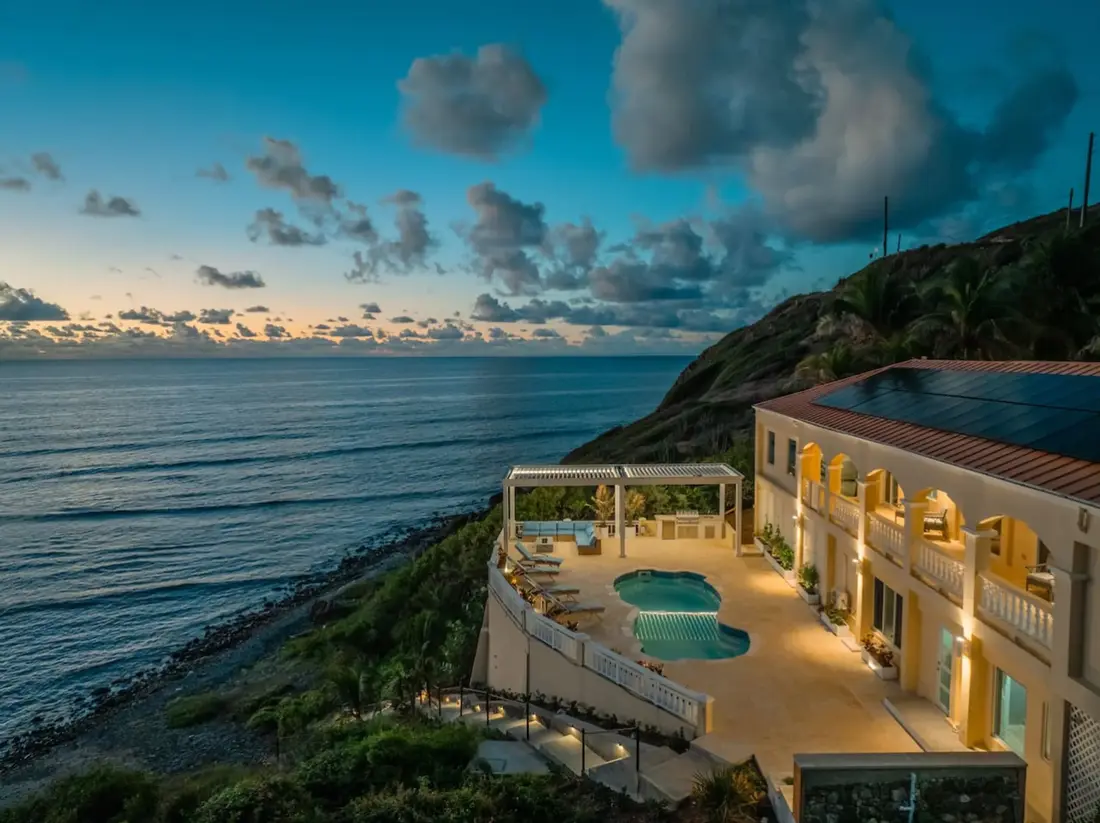
The base is the plan, so start there. East weekend: The Cerulean and Buck Island Overlook face the monument itself from the eastern hills, Shoy's Beach House puts the shakeout swim at the bottom of the lawn, and Caribbean Blue Hideaway suits a couple traveling light. West weekend: Sunset Sea-Clusion aims straight at the nightly show. One thing to know before you fall for a listing: minimum stays vary by home and by season, and some of the portfolio carries minimums longer than three nights, especially across the winter peak. Send us the dates and the coast you are leaning toward, and we will tell you which homes take the weekend — the full collection is here.
Sources
Written from official and first-party sources, checked August 2026. Hours, prices and event dates change — confirm before you go.
In this guide
Stay nearby
On The Shoys beach: six bedrooms, six baths, pool and hot tub, room for twelve, and the beach through the back garden.
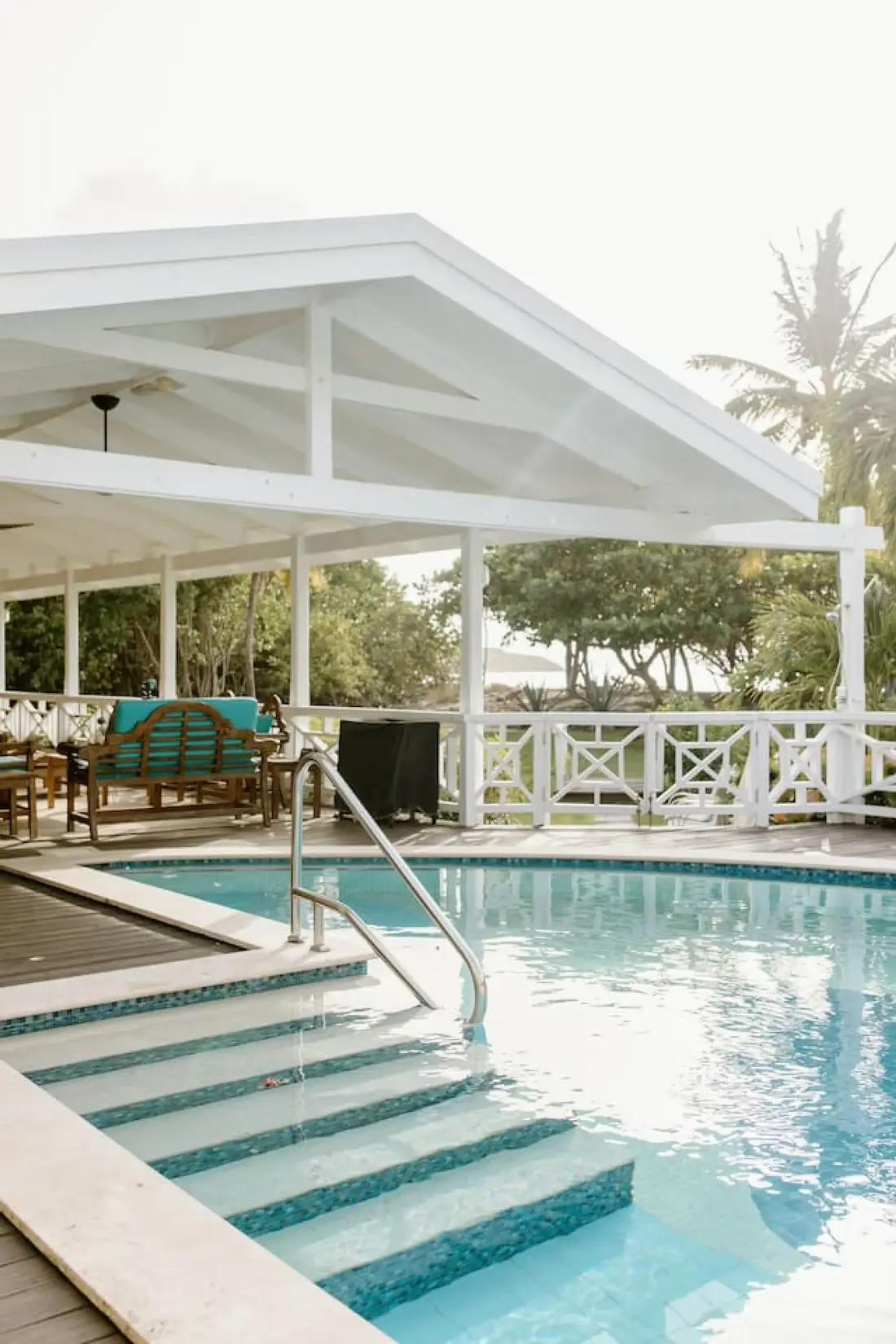 Shoy's Beach House6 bd · 6 ba · sleeps 12 · Christiansted
More in Itineraries
Sources
9 references, listed in full at the end of this guide — official park, refuge, tourism-board and business sources, checked August 2026.