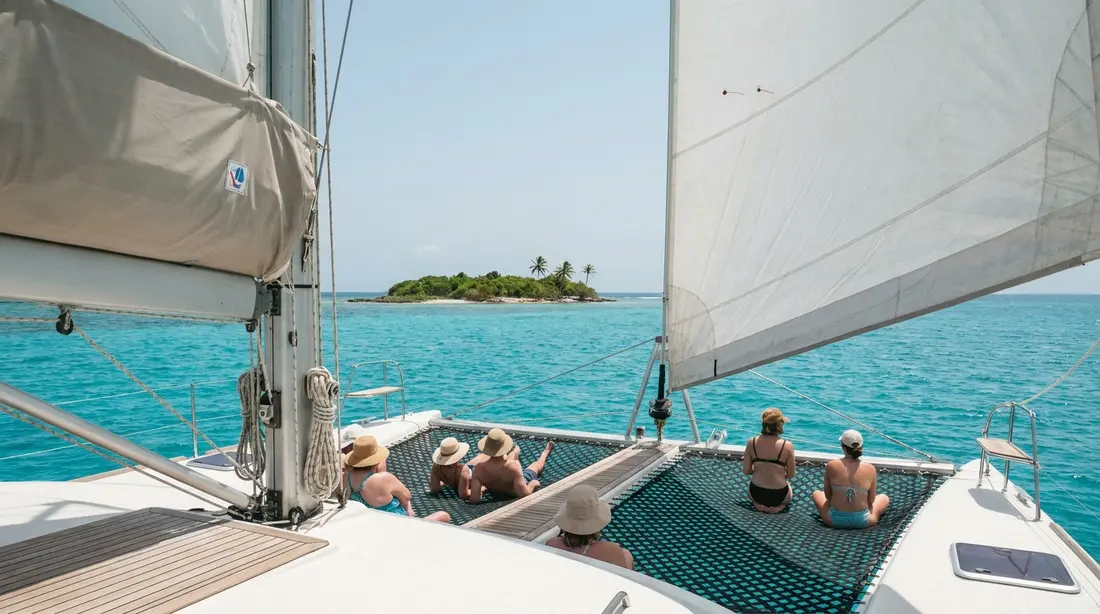
St. Croix has more headline experiences than most trips have days: a reef monument reached by boat, a wall dive that starts from the sand, a bay that glows on dark nights, two Danish-era towns, working distilleries, and a rainforest road. This post sequences all of it by trip length, three days, five days, or a week and more, so the things that run on calendars land on the right days.
Our experiences page is the catalog: the island's signature activities, each linked to its own guide. This post does the other job. A catalog lists what exists. What it cannot convey is that the Buck Island boat belongs early in your trip, that the bioluminescent bay only earns its reputation on dark-moon nights, that Sandy Point is reachable on winter weekends and on no other days, or that the best west-end day of the week is probably a Wednesday. Sequencing is most of the difference between a trip that catches the island and one that just circles it.
The reason sequencing matters here, more than on most islands, is that several of the best things on St. Croix run on schedules you do not control. Boats to a national monument carry limited passengers. A wildlife refuge opens on weekends for half the year and closes completely for the other half. The glow in Salt River Bay depends on the moon. The famous street party in Christiansted happens on four Friday evenings a year. None of this is hard to plan around. It just has to be planned around, and the earlier in the process you do it, the better the trip gets.
What to book before you fly
A short list of things should be arranged before you land, because they are capacity-limited, calendar-limited, or both. Everything else on St. Croix can be decided over coffee on the villa deck.
| Arrange ahead | How far ahead | The reason |
|---|---|---|
| Rental car | When you book flights | No Uber or Lyft on island; winter inventory goes early |
| Buck Island boat | Two to four weeks out | Only five NPS-permitted operators; boats fill in season |
| Bio bay kayak tour | After checking the moon calendar | Tours run on the dark stretch of each month |
| Cruzan Distillery tour | A few days out | Weekday tour slots at set times; reservations requested |
| Fishing charter or sail | One to two weeks out | Small fleet, small groups |
| Horseback ride | A few days out | Small stables, morning slots go first |
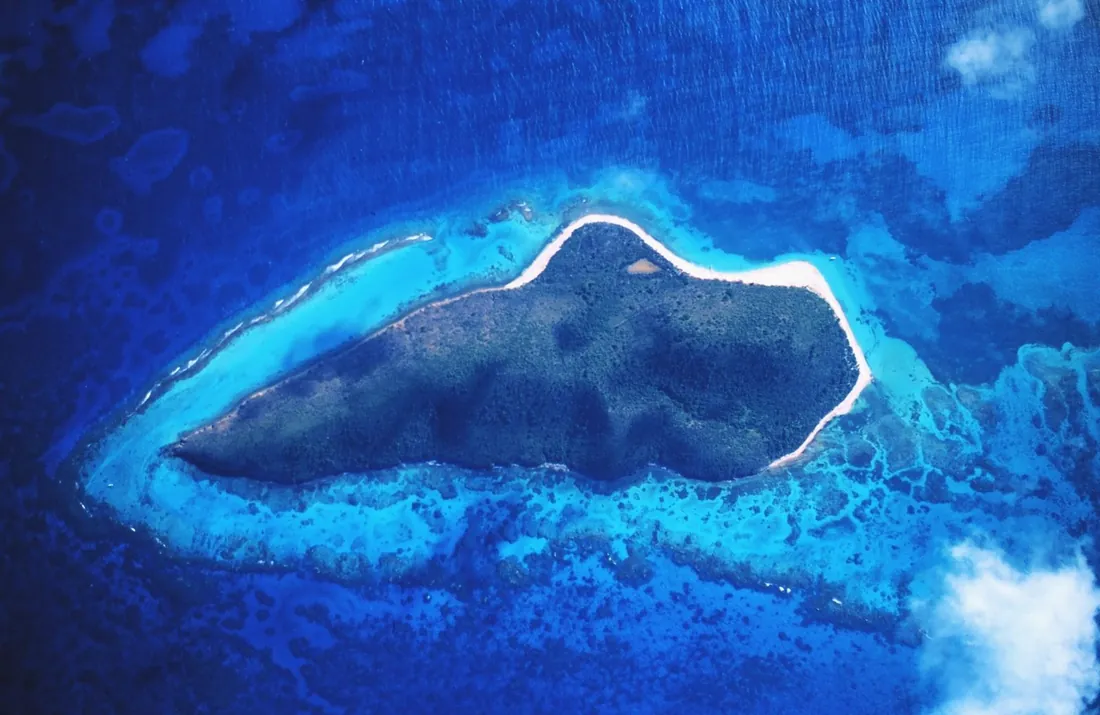
Two of these deserve a sentence more. The trip to Buck Island Reef National Monument is the single most-recommended thing on St. Croix, and access is only by permitted boat: five concessionaires run trips from Christiansted and nearby marinas, and a private vessel needs a National Park Service permit. Half-day and full-day versions exist, and what each includes varies by operator, so read the descriptions rather than assuming. The monument has been protected since 1961 and the water around it is a no-take reserve, which is why the reef looks the way it does.
The second is the bioluminescent bay at Salt River. The bay glows year-round, but a bright moon washes the effect out, so tour outfits schedule their paddles for the dark half of each lunar cycle and post calendars listing the nights they go out. Book this one around the moon, before you fill your evenings with dinner plans. If your dates sit near a full moon, some outfitters run moonlight paddles instead, which are a different and still worthwhile night on the water.
The calendar checks that shape your dates
Before locking flights, or at least before building the day-by-day plan, run these four checks. Each one takes a minute and each one has rescued or wrecked more itineraries than any weather forecast.
First, the Sandy Point window. Sandy Point National Wildlife Refuge, the two-mile undeveloped beach at the southwest tip, is open weekends only, 10 a.m. to 4 p.m., from September 1 through March 31, and closed entirely from April 1 through August 31 for leatherback turtle nesting. If walking that beach matters to you, your trip needs to land on a weekend day somewhere inside the September-to-March window. There is no workaround, and the closure is the reason the beach is worth seeing in the first place.
Second, the moon. Pull up a moon-phase calendar next to your dates. A new moon inside your trip means the bio bay at its best. A full moon means you shift that plan or choose a moonlight tour instead.
Third, the cruise schedule. Ships dock at the Frederiksted pier, and on ship days the passengers spread across the west end. The port publishes its schedule. Point your west-end day at a day without a ship and the same beaches and streets feel like a different island.
Fourth, the events calendar. Christiansted's Jump Up street festival happens roughly four times a year, on Friday evenings in February, May, July, and November, with exact dates announced close to the day. Rhythms at Sunset, the free waterfront concert series in Frederiksted, runs the third Friday of the month from November through May. AgriFest fills a February weekend, Mardi Croix parades down Cane Bay in early February, the Crucian Christmas Festival peaks between late December and early January with its parades in Frederiksted, and Taste of St. Croix lands on a single evening that moves year to year. None of these should pick your dates by themselves, but if your trip brushes one, bend the plan toward it.
One more, for summer and fall travelers: hurricane season occupies June 1 to November 30 on the calendar, and August and September are its active window. The practical response is insurance bought the day you book and flexible fares where the price gap is small. September through November is also the greenest, quietest, best-value stretch of the year. Our guide to weather and when to visit covers this in full.
How the geography pairs into days
St. Croix measures roughly 22 miles in length and 7 in width; Christiansted sits on the northeast coast, Frederiksted on the west, and about 40 minutes of driving separate them. The wet, green west end carries rainforest in the hills over Frederiksted. The East End is breezy, dry, and covered in cactus scrub. That split means the island naturally organizes into four or five day-shaped clusters, and the single biggest planning mistake visitors make is criss-crossing between them instead of working one cluster per day.
The clusters look like this. The north shore day: snorkel Cane Bay in the morning over the Cane Bay Wall, which drops toward the deep about a hundred yards off the sand, then hike to the Annaly Bay tide pools if the sea is calm, or settle in at the beach bar if it is not. The East End day: Point Udall, Goat Hill or the hike-in bays, then Cramer's Park or The Shoys for the swim. The Christiansted day: the fort and the historic wharf in the morning, lunch in town, the boardwalk in the evening. The west-end day: distilleries, plantation history, the rainforest road, and a sunset that faces the right direction. And the Salt River day, which is really a Salt River night, built around the bio bay.
Boat days stand outside the clusters, because they begin and end at a dock and eat the whole day pleasantly. Count them separately when you divide your trip.
Two anchors a day is the right load. One thing in the morning, one in the afternoon, dinner somewhere deliberate. The island rewards the unhurried version of every plan, and every cluster above has a beach in it for the hours between anchors.
Three days on St. Croix
Three full days is enough for the island's three biggest experiences, provided you spend them in the right order and book the boat before you arrive. The shape: one boat day, one town-and-east day, one west day, with the bio bay attached to whichever night the moon favors.
Day one
Christiansted in the morning: Fort Christiansvaern and the National Historic Site around it open at 8:30, and the early hours are the cool ones. The fort, the Steeple Building, the Scale House, and the old customs house sit within a few blocks, and the town around them, arcaded sidewalks and pastel Danish stonework, is walkable in an unrushed half day. Alexander Hamilton clerked two blocks from the fort. Our Christiansted guide maps the loop. Lunch in town, then drive east: Point Udall for the view from the country's easternmost point, and a late swim at Cramer's Park or The Shoys on the way back. Dinner on the boardwalk.
Day two
The boat. Book Buck Island for your middle day, because a windy forecast can push a trip, and a middle-day booking has a fallback day on either side. Full-day trips add beach time at Turtle Beach to the marked underwater snorkel trail; half-day trips concentrate on the snorkeling. Either way you will be back by late afternoon with salt in your hair and no interest in a complicated evening. If the moon calendar says tonight is a dark one, this is a fine night for the bio bay, since Salt River is twenty minutes from Christiansted and the tours run after sunset.
Day three
West, all day. A distillery tour around midday, Estate Whim if it is a Wednesday or Saturday, the Domino Club up Mahogany Road in the afternoon, then Rainbow Beach or the Frederiksted waterfront for the last swim and the sunset. The west-end section below turns this into an hour-by-hour plan. Three-day visitors skip the north shore snorkel or trade it for the East End swim on day one; that is the correct sacrifice, because Buck Island already gives you the island's best reef time.
Five days on St. Croix
Five days is the comfortable version of the same trip. The three-day skeleton stays, and you add the north shore and some slack.
Day four
Cane Bay morning. Snorkel out over the reef toward the wall lip while the water is at its calmest, then either the Annaly Bay tide pool hike, about 3.6 miles round trip through rainforest and only sensible at low tide on a calm day, or a slow afternoon on the sand with lunch a few steps away. Confident divers should consider a guided intro or shore dive here instead; the wall is the reason St. Croix appears on divers' lists at all.
Day five
The flex day, and the reason five beats three. It catches whatever the weather pushed, repeats whatever won the week, or adds the thing you could not fit: a morning horseback ride out of the Frederiksted side, a sunset sail, a round at Carambola, a deep-sea run to Lang Bank for mahi and wahoo, or the hike-in beaches at Jack's and Isaac's Bays with a picnic and reef shoes. Five-day visitors in season should also look hard at the Friday question: if your trip contains a third Friday between November and May, Rhythms at Sunset in Frederiksted is the easiest good evening on the island.
With five days, move the boat to day two and keep day four as the fallback. The bio bay still goes wherever the moon says. Everything else can shuffle without cost.
A week or longer
A week turns the checklist trip into an actual vacation. The five-day plan above fills five of the days. Here is what the extra days are for.
A Sandy Point Saturday, if your week includes one between September and March. Go at 10 when the gate opens, walk as far down the two miles as your legs suggest, and be out by 4. Bring everything; the refuge is deliberately undeveloped. In summer the beach belongs to the leatherbacks, and the guided turtle-watch programs that run in nesting season are the only way onto it, worth pursuing if your dates line up.
A second water day. People who loved the Buck Island trip rarely regret a different boat: a day sail with snorkel stops, a fishing charter, or a kayak morning inside Salt River Bay, where Columbus's crew came ashore in 1493 and the mangroves hold the National Park Service's quietest history on the island. Divers use the extra days for the Frederiksted Pier, a calm, shallow dive famous for seahorses and octopus and best of all at night, and for the wrecks at Butler Bay.
A do-nothing day. On a seven-day trip, one day with no anchors at all is the difference between coming home rested and coming home impressed. The villa pool, the nearest beach, a book. This day schedules itself if you let it.
Long-stay guests, ten days and up, can add the inter-island move: the ferry from Gallows Bay or the seaplane from Christiansted harbor puts St. Thomas within day-trip range, though most people who try it report the same conclusion, that the quiet island is the one they left that morning. The better long-stay play is depth, a second Jump Up if the calendar cooperates, a repeat west day on a different weekday, the golf course you skipped, the beach you claimed as yours.
The west-end day, hour by hour
The west end rewards a built day more than any other part of the island, because its pieces run on different clocks. Here is the assembly, with the reason for each choice.
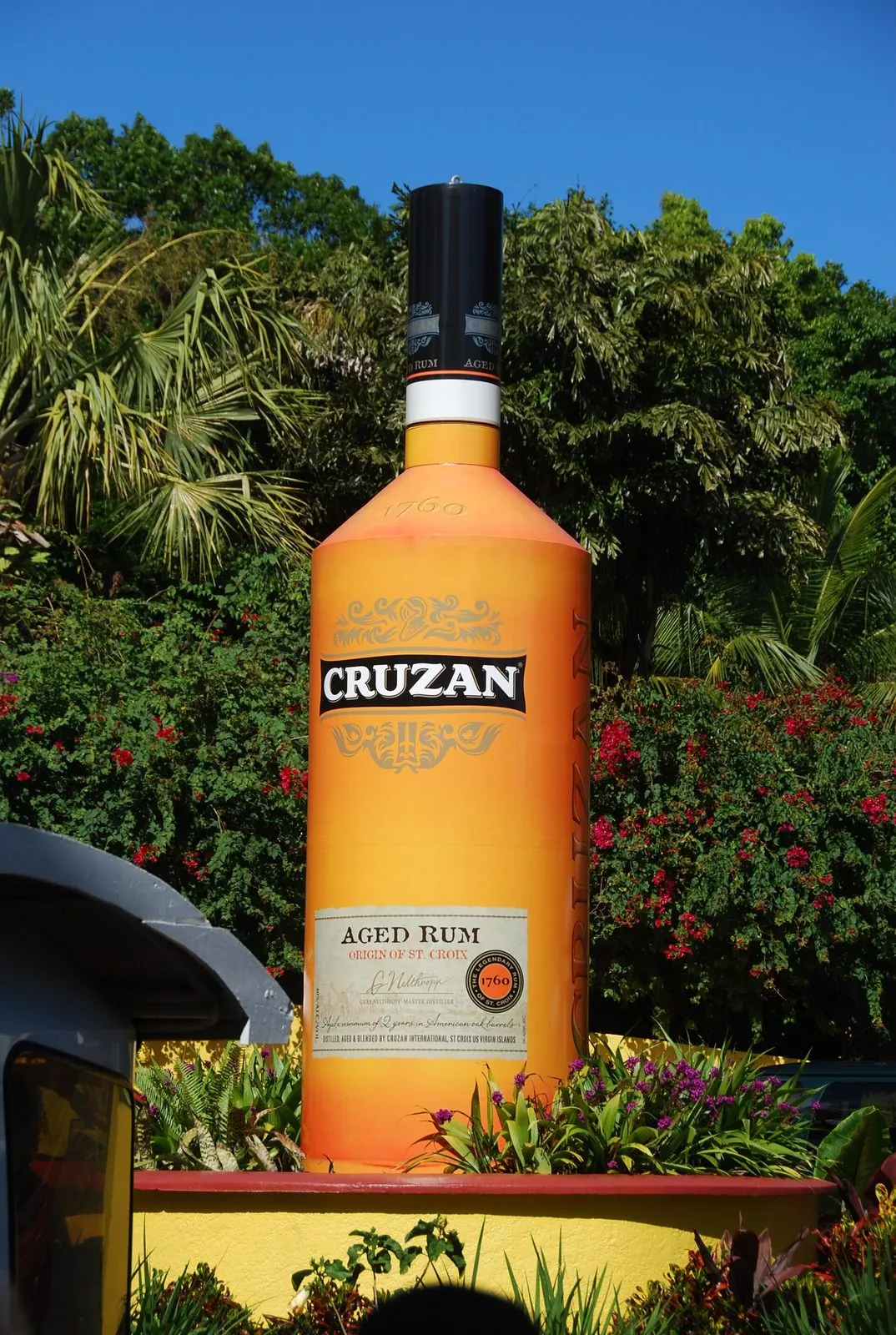
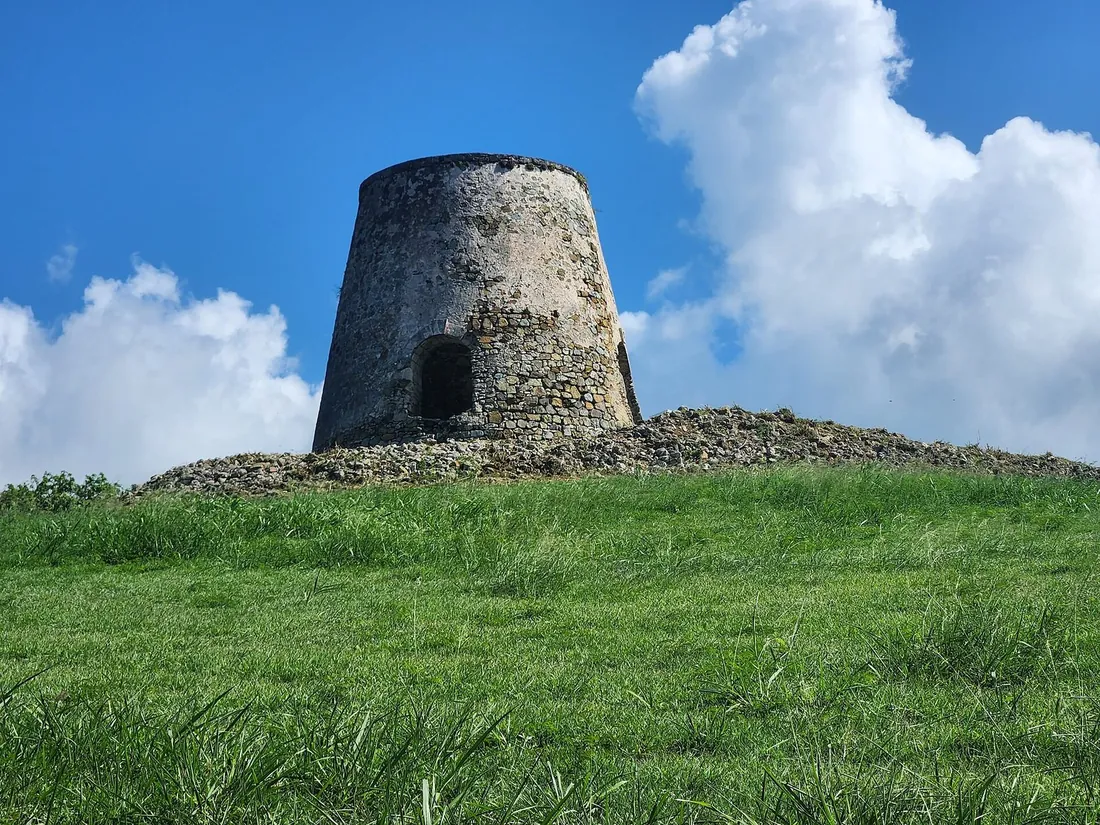
Pick a weekday, ideally Wednesday. The Cruzan Rum Distillery runs its tours on weekdays at set times, 12, 1:30, and 3 at last check, with reservations requested; rum has been made at Estate Diamond since 1760 and the tour is the real, working-factory version, molasses smell included. Estate Whim, the restored sugar plantation south of Frederiksted, posts Wednesday and Saturday hours, 10 to 3 at last check, plus cruise days, and hours there have been known to wobble, so call before you drive. Wednesday is the day both line up. Hurricane damage in 2017 closed the great-house interior and it has yet to reopen, but the grounds, the mill, and the exhibits carry the visit.
So: Whim at 10 when it opens, an hour and a half among the mill and the outbuildings. Cruzan for the 12 or 1:30 tour and a tasting. Then up Mahogany Road under the canopy to the Domino Club, the rainforest bar that has been pouring since 1971, open from mid-morning daily at last check, cash only, no ATM, where the resident pigs drink non-alcoholic beer from the bottle and the house drink is a rum infusion called MamaWanna. It is exactly as strange as it sounds and it has been making people laugh for fifty years.
Late afternoon, come down out of the forest to the water. Rainbow Beach has rentals, a long-running beach bar, and sand that faces the sunset; Dorsch Beach, south of town, is the quiet version. Stay for the sun hitting the sea, which on the west coast it does over open water, then dinner in Frederiksted or back east.
The horseback variant replaces the morning: the stables on the Frederiksted side, Cruzan Cowgirls among them, ride through forest and onto the beach, and on many rides into the water itself. Book a few days ahead and take the earliest slot; the light is better and the horses agree.
The food and drink stops that fit between anchors
Eating well on St. Croix takes no planning at all, but a handful of stops earn a spot inside the day plans above, either because they sit on the route or because they keep hours worth knowing.
The dish list first, so you know what to order when you see it: pate, the fried stuffed pastry sold from trucks and counters, filled with saltfish, beef, or vegetables; johnny cakes; kallaloo, the West-African-rooted green stew; fungi with fish; stew conch; and the boiled starches locals call provisions. Fresh wahoo, mahi, and lobster show up wherever the boats do. La Reine Chicken Shack, the spit-roasted chicken institution mid-island, is the classic lunch on a day that crosses from one end to the other, and it is friendlier to cash. Our Crucian food guide goes dish by dish.
The drink stops slot into specific days. Cruzan anchors the west-end day, covered above. The Captain Morgan Visitor Center runs weekdays, 10 to 4 with a 1 p.m. tasting at last check, and sits mid-island off the highway, easy to fold into any crossing. Sion Farm Distillery pours Mutiny Island Vodka, distilled from breadfruit, the first vodka in the world made that way, with free tours on weekday afternoons at last check. Leatherback Brewing in Kingshill brews with rainwater and keeps long daily hours, which makes it the reliable option when a tour-scheduled distillery is closed. None of these need more than an hour, which is exactly what makes them good between-anchor stops rather than anchors.
One shopping errand belongs on the Christiansted morning: the St. Croix hook bracelet, designed in the mid-1960s by Sonya Hough, whose Company Street shop still makes them. Hook turned toward the heart means taken; turned away means open. It is the souvenir that people actually wear for the next twenty years, and buying it in the town where it was invented is half the point.
Nights, on their actual nights
Nightlife on St. Croix means a short list of specific, excellent nights that happen on specific dates, rather than a club scene. Plan toward them.
| The night | When it happens | Where |
|---|---|---|
| Bio bay kayak tour | Dark-moon stretch of each month, after sunset | Salt River Marina |
| Jump Up | Four Fridays a year, roughly Feb, May, Jul, Nov, 6 to 10 p.m. | Downtown Christiansted |
| Rhythms at Sunset | Third Friday, November through May, 6 to 9 p.m. | Buddhoe Park, Frederiksted waterfront |
| Sunset sail | Most evenings; check each boat's calendar | Frederiksted and Christiansted |
| Pier night dive | Calm nights, with a dive shop | Frederiksted Pier |
| Boardwalk evening | Any night | Christiansted harbor |
Jump Up is the big one: streets closed from the boardwalk up through town, mocko jumbie stilt dancers, bands on corners, vendors, and most of the island out walking. The dates are announced by the Christiansted retail and restaurant association close to each event, so check the calendar for your dates rather than assuming; if one lands inside your trip, nothing else that evening competes.
Rhythms at Sunset is the west end's answer, a free concert series at the Buddhoe Park pavilion by the Frederiksted pier, third Fridays in season, with local food vendors and the sun going down over the water behind the stage. Bring a chair or a blanket.
On ordinary nights, the Christiansted boardwalk is the default and it is a good one: dinner over the harbor, boats coming in, an after-dinner walk along the water. The bio bay, covered above, is the night worth building the rest of the week around, and divers should ask the shops about the Frederiksted Pier after dark, which regulars call one of the Caribbean's best night dives.

Mornings worth the alarm
Three mornings on St. Croix justify an alarm clock on vacation.
The first is Point Udall at dawn. No spot in the United States sits farther east, which means the sun reaches it before anywhere else in the country, a fact the Millennium Monument sundial there was built to mark for the first sunrise of 2000. It is a drive-up view, no hike required, and the same parking lot is the trailhead for Jack's and Isaac's Bays, so ambitious risers watch the sunrise and then walk down to two undeveloped beaches while they are still empty.
The second is any snorkel morning. The trade winds tend to sleep late and fill in after lunch, so the water at Cane Bay, the pier, and the East End bays is flattest and clearest before noon. Snorkeling after 2 p.m. in winter is how beginners decide they dislike snorkeling.
The third is seasonal: in nesting season, guided turtle watches let a small group sit quietly on a dark beach while a leatherback the size of a kitchen table digs her nest. The St. Croix Sea Turtle Project and the island's environmental association run the legitimate versions; they are scheduled around the turtles, at last check mostly in spring and early summer, and they book out. If your dates fall in season, this is the most memorable few hours on the island.
When the weather argues
Caribbean rain is mostly a passing argument, ten minutes of shower and back to sun, so the standard advice is simply to wait it out. But wind and swell do occasionally rearrange a day, and the island has a built-in swap system worth knowing.
When the north shore is rough, the west side is usually flat, because the island itself blocks the easterly weather. A blown-out Cane Bay morning becomes a Frederiksted Pier morning, snorkeling the pilings in protected water. When the west is raining, the East End is probably dry; the east side of the island sees roughly half the rainfall of the rainforest hills. When a boat trip cancels, and in winter a north swell sometimes cancels them, the operators reschedule, which is exactly why the boat belongs early in the trip with a fallback day behind it.
The hikes have their own weather rules, stricter ones. The Annaly Bay tide pools are only for calm seas at low tide, no exceptions, and the guided rainforest waterfall hikes stand down when heavy rain is falling or forecast, because the stream gullies flash. A guide who cancels on you is doing the job right.
None of this needs to be memorized. It reduces to one habit: hold plans lightly in the morning, check the sea state, and let the island tell you which coast is having the better day.
What changes by season
The list of things to do barely changes across the year. What changes is which version of each thing you get.
December through March is peak season: the Christmas Winds keep the air moving, the humidity down, and the sailboats happy. Sandy Point is open on weekends, Rhythms at Sunset is running, and the calendar stacks up, festival season bridging Christmas and New Year with parades in Frederiksted, AgriFest in February, Mardi Croix at Cane Bay. The trade-off is company and prices, and winter swell occasionally roughing up the north shore.
April through June is the quiet shoulder, and a favorite of repeat guests: the winds ease, the water clears, the crowds thin. Sandy Point closes April 1 for nesting. The May Jump Up often lands in this window, and Taste of St. Croix has run in this stretch in recent years.
July and August are warm, bright, and calmer on the north shore than winter, which makes them sneaky-good snorkeling months. The July Jump Up and Emancipation Day on July 3 give the stretch its events. Sandy Point stays closed, but this is turtle season, when the guided watches take its place.
September through November is the value season, green and quiet, with the hurricane caveat handled the way locals handle it: insurance bought early, forecasts watched calmly, plans held loosely. The island is at its least visited and most itself. Villas and boats have open dates that do not exist in February.
Questions guests ask
How many days do you need in St. Croix?
Five full days is the comfortable number: the boat day, the town-and-east day, the west day, the north shore day, and a flex day, with the bio bay slotted onto a dark night. Three days works if you book the boat ahead and accept one deliberate sacrifice, usually the north shore snorkel. A week adds Sandy Point, a second water day, and the do-nothing day that makes it feel like a vacation instead of a checklist.
Do you have to book the Buck Island trip in advance?
Yes, treat it as mandatory in season. Access to the monument is only by the five NPS-permitted concessionaires or private permit, boats carry limited passengers, and the good departures fill first. Book two to four weeks out for winter and spring trips, and aim it at the second day of your trip so a weather postponement has somewhere to land. Confirm what your specific boat includes; half-day and full-day trips differ meaningfully.
When is the bioluminescent bay worth it?
On the dark half of the lunar month. The bay itself glows in every season, but moonlight drowns the effect, so operators run their glow tours from roughly the last quarter through the new moon and publish calendars showing exact nights. Check those calendars against your dates before booking anything else for your evenings. Around the full moon, the same outfitters typically offer moonlight paddles instead, a different trip, still a good one.
Will Sandy Point be open during my trip?
Only if a Saturday or a Sunday falls inside your dates between September 1 and March 31; the refuge opens weekends 10 to 4 in that window and is closed entirely from April 1 through August 31 for leatherback nesting. There is no weekday access and no summer access. If you are visiting in the closed season, the guided turtle-watch programs in nesting season are the lawful and better substitute.
What is there to do at night?
Specific nights, more than nightlife. The bio bay kayak on dark-moon nights is the headline. Jump Up fills downtown Christiansted four Friday evenings a year, and Rhythms at Sunset plays the Frederiksted waterfront on third Fridays from November through May. Beyond those: sunset sails most evenings, dinner on the Christiansted boardwalk any night, and for divers, the Frederiksted Pier after dark. Check the island calendar for your exact dates; the good nights are scheduled ones.
Can you do all of this without a rental car?
Not comfortably. Uber and Lyft do not operate on the island, and the experiences in this post sit on opposite ends of a 22-mile island. Taxis work well for a single planned outing, an airport run or one dinner, and boat operators pick up nothing, so a car is the practical answer for any itinerary in this post. Remember that traffic keeps to the left here even though the cars are ordinary left-hand-drive models, and that it feels normal within a day.
What should you skip on a short trip?
Skip the second town day, the golf, the day sail, and anything that repeats water time Buck Island already gives you. Keep the boat, one town morning, Point Udall, and the west-end afternoon with a distillery and a sunset. Resist the urge to fit five anchors into a day; three days at two anchors a day beats three days at four, every time, because the drives between clusters are where short trips go to die.
A home base for these itineraries
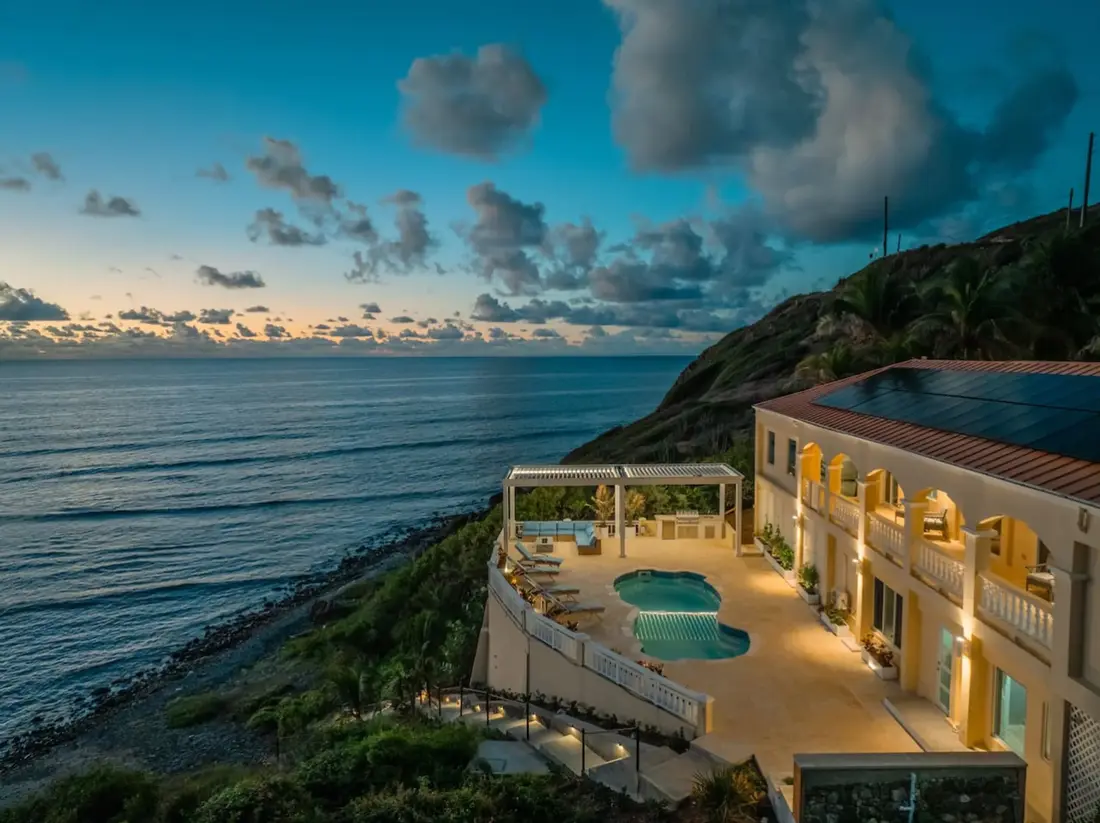
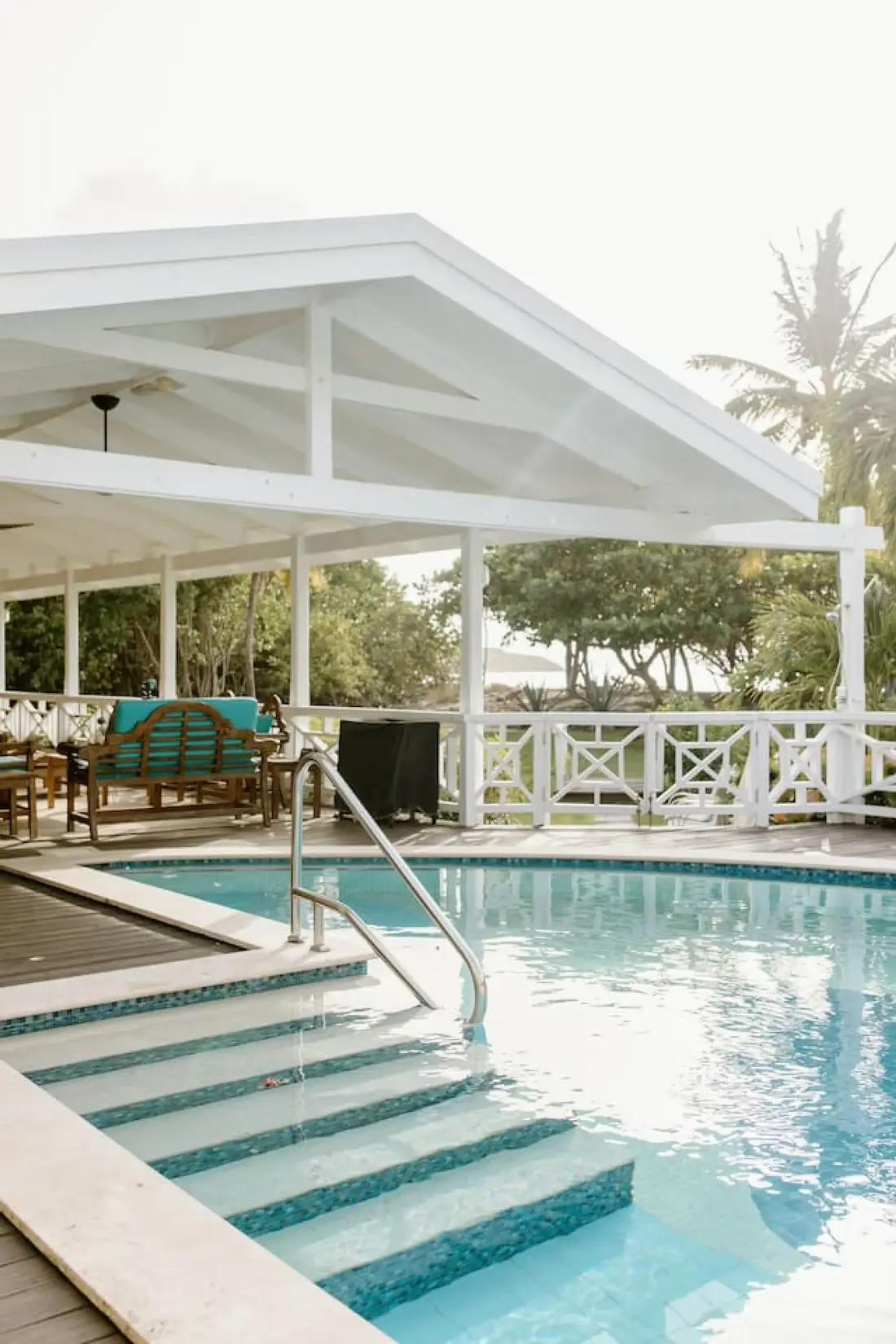
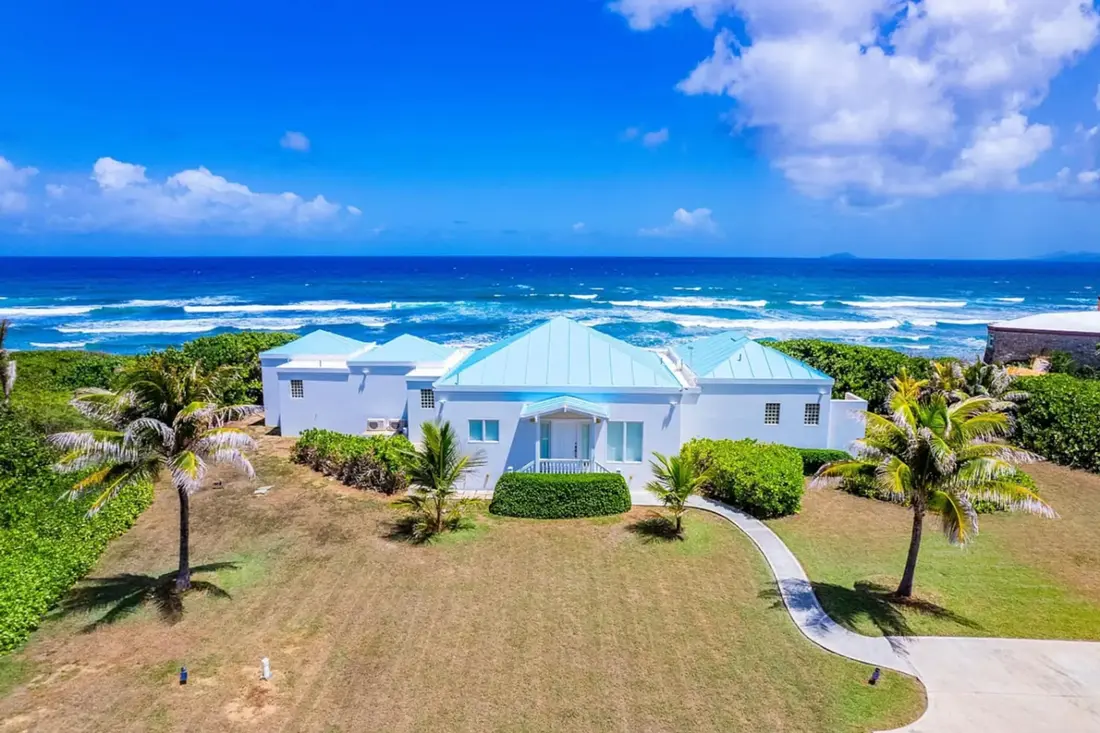
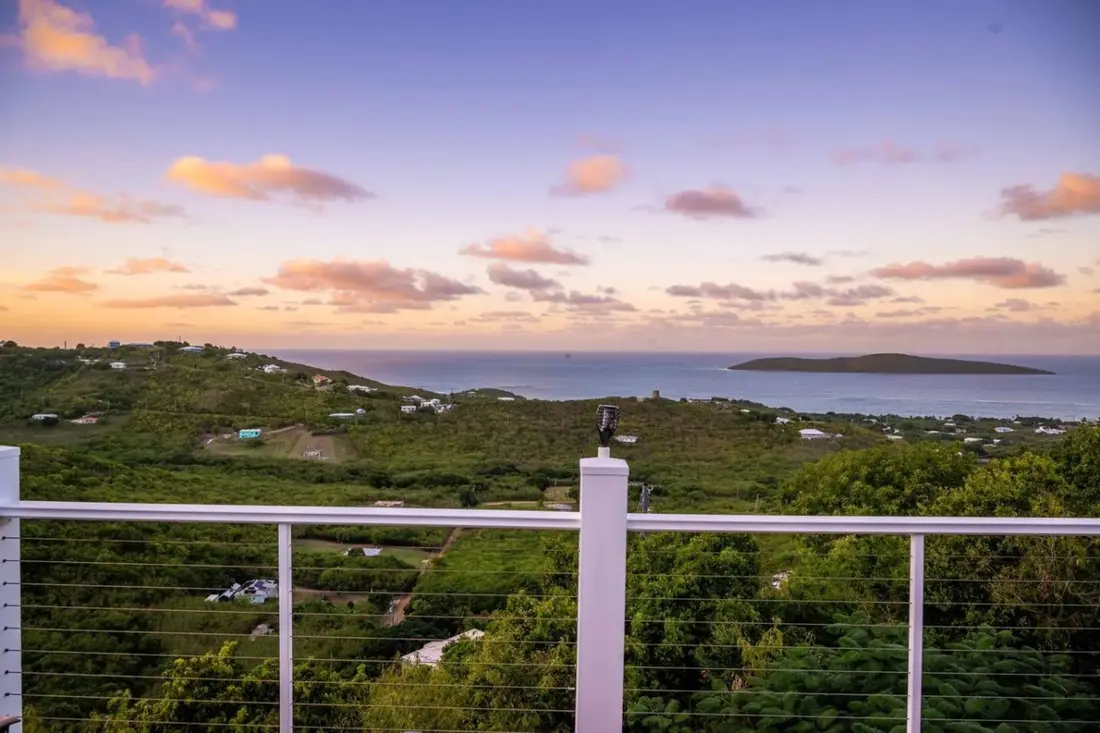
Every itinerary in this post starts and ends at a front door, and where that door sits shapes the trip. Guests who care most about the water tend to book east: our East End villas put Point Udall, the hike-in bays, and the Buck Island departure docks closest, and several, The Cerulean and the Buck Island Overlook among them, look straight at the monument from the terrace. Sunset-first travelers look west, where Sunset Sea-Clusion faces the evening show from the Frederiksted side. Families and groups splitting the plan between snorkelers and porch-sitters do well on the sand itself, at a beachfront house where the between-anchor hours cost nothing. All of the homes are locally managed by our on-island team, which means the moon calendars, boat operators, and ship schedules in this post are things you can simply ask us about, usually with tomorrow's answer, not the internet's.
Sources
Written from official and first-party sources, checked August 2026. Hours, prices and event dates change — confirm before you go.