Mardi Croix
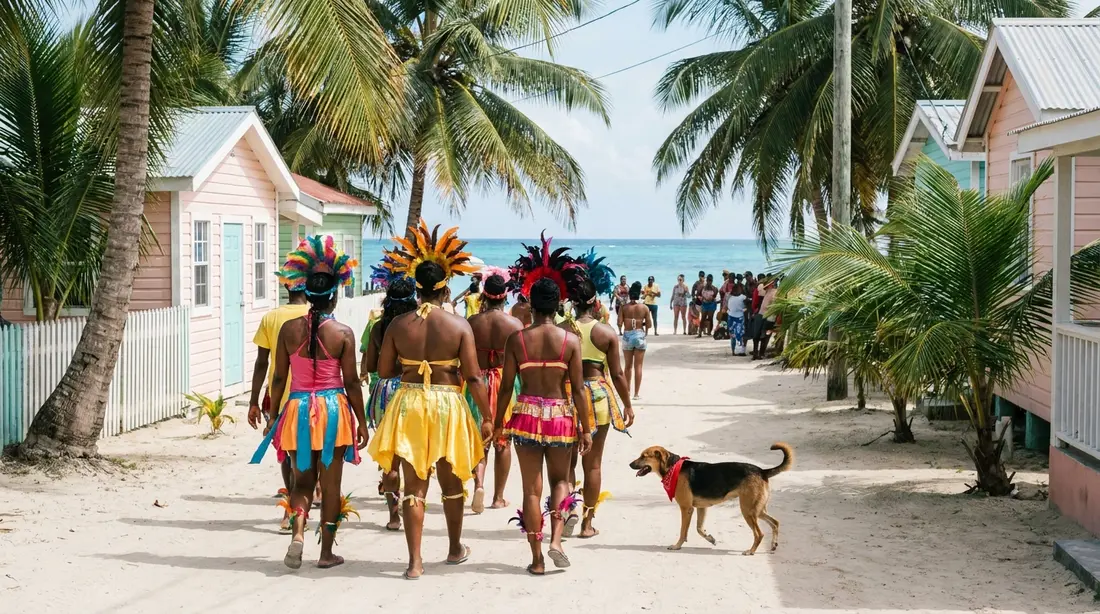
A beach-town parade day at Cane Bay each February — costumes encouraged, dogs in bandanas tolerated, sunscreen mandatory.
Mardi Croix is St. Croix's Mardi Gras, a daytime costume parade and beach party held on a Saturday most Februarys along the island's North Shore. A volunteer group called the Krewe de Croix runs it, the parade forms up the coast near La Valle and rolls down North Shore Road to Cane Bay Beach, and the whole afternoon carries the purple, gold and green of New Orleans with a Crucian accent. This guide is the island's full reference on the day: what it is, who puts it on, where it came from, the route and the beach party, how to pin down the moving date, how it differs from the island's other big events, and how to make a day of it from a villa.
What Mardi Croix is
Mardi Croix is the island's take on Mardi Gras: a costume parade that ends in a beach party at Cane Bay, on the North Shore of St. Croix. The name folds Mardi Gras into Croix, and the day borrows the whole vocabulary of a New Orleans carnival, floats, beads, costumes, music and the purple-gold-green color scheme, then sets it down on a Caribbean beach road. It runs on a single Saturday, usually in February, put on by a group called the Krewe de Croix. The parade forms up the coast near La Valle, steps off around midday, and works its way along North Shore Road to Cane Bay Beach, where vendors, food and a swim wait at the finish. It is small next to the island's Christmas carnival, and that is the appeal: a friendly, come-as-you-are street party you can walk into for the price of a costume and a few dollars for the vendors.
Two things set Mardi Croix apart on the island calendar. It is a North Shore event, centered on Cane Bay instead of either of the two towns, so it belongs to the beaches and dive shops of that coast. And it is a transplant tradition, brought to St. Croix by residents who grew up with Mardi Gras on the mainland and wanted a version of it here. The result reads as Louisiana filtered through the Caribbean: the same colors and beads, with a beach at the end in place of a French Quarter, and a swim in the sea in place of a cold night. For where it sits among the island's other gatherings, see a year of events; for the setting, the Cane Bay and North Shore guide covers the coast the parade runs along.
The Krewe de Croix
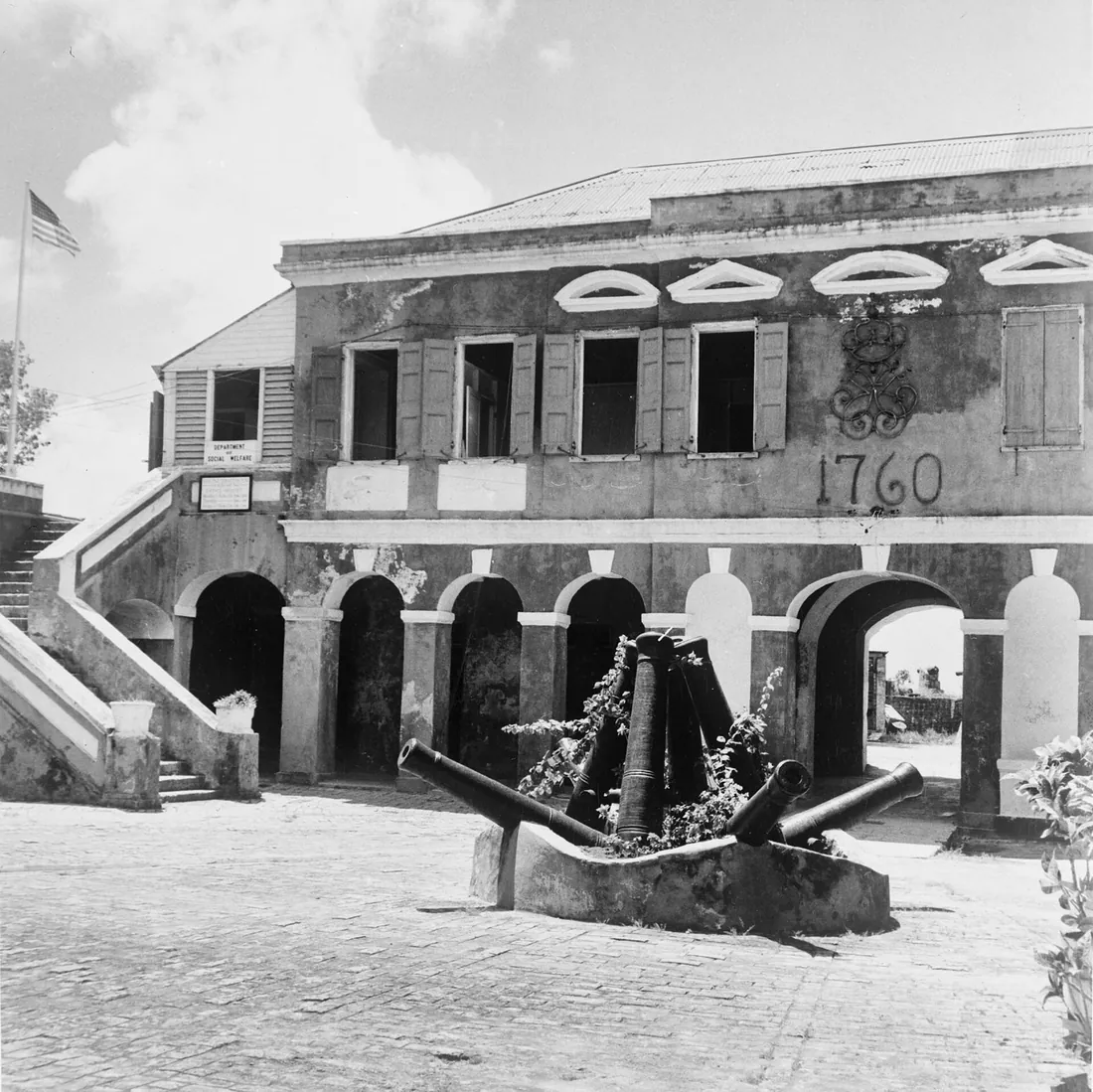
The event is put on by the Krewe de Croix, a group of Louisiana transplants and Mardi Gras enthusiasts who organize the parade as a non-profit. In New Orleans a krewe is the club that builds the floats and stages a Mardi Gras parade, and the Krewe de Croix took the word along with the tradition. The group runs Mardi Croix to raise money for causes on St. Croix, with island education, health, the environment and culture named among the beneficiaries at last check. That charitable angle matters to a guest, since it changes what a day at the parade means: the beads you catch and the plates you buy from the vendors help fund the group's giving, so spending along the route is part of the point.
Because a volunteer krewe runs it and not a government office, the scale of the parade rises and falls with the year. Some editions are large, with a long line of decorated floats and a full crowd; others run smaller. The organizers set the theme, the date and the route each year and announce them ahead of the day, through the island event calendars and the group's own channels. Read the specifics on this page as the recent pattern, and confirm the current year before you build a trip around it.
Origins and recent editions
Mardi Croix began in 2002, started by the transplant community that formed the Krewe de Croix. The krewe model is the New Orleans one, a membership club that funds and builds its own parade, and the group recreated it in miniature on the North Shore, floats, throws, a theme and all. It has run in most years since, and it has had lean editions as well as full ones: island coverage of the 2013 parade described a scaled-down year, a reminder that a volunteer event lives on the energy its organizers can raise. By the 2020s it had settled into a fixture of the North Shore's February, with a named theme each year and a familiar route down to Cane Bay. Recent themes give the flavor. The 2025 parade ran under Wild, Wild West, and the 2026 edition, on February 7, took the theme Caribbean FantaSea.
The day sits alongside a far older carnival tradition on St. Croix, but it is no part of it. The island's deep carnival roots run through the Crucian Christmas Festival at the turn of the year, a celebration whose line reaches back to the Christmas masquerades of the plantation era. Mardi Croix is younger, lighter and imported, and it happens to share the season's taste for costume and a parade. Both are true at once, and the comparison further down sorts out which is which, so you do not turn up at the wrong town on the wrong weekend.
| Edition | Date (at last check) | Theme |
|---|---|---|
| 2024 | February 10 | Not recorded in our sources |
| 2025 | March 1 | Wild, Wild West |
| 2026 | February 7 | Caribbean FantaSea |
The route from La Valle to Cane Bay
The parade runs along North Shore Road, the coast road that threads the island's north-facing beaches. It forms up the road from Cane Bay, near La Valle, at a staging point known locally as Sylvie's Place, and steps off around noon. From there it moves along the shore to Cane Bay Beach, a short parade by mainland measure, a mile or so of beach road rather than the long downtown circuits of a big-city carnival. Floats, costumed walkers, dancers and decorated vehicles make up the line. Past editions have rolled the Krewe de Croix's own float and a float from the Cane Bay Dive Shop, and one recent year put costumed pirates on the route spraying the crowd with water cannons to cut the midday heat.
The signature of any Mardi Gras parade is the throw, and Mardi Croix keeps it. Marchers toss beads and trinkets to the crowd as they pass, so the good spots are anywhere you can stand at the road's edge with a clear line to the floats. Because the whole thing runs beside the water and finishes on the sand, the parade and the beach are one continuous event: the line reaches Cane Bay, the floats park, and the day turns into a beach party with no gap in between.
The beach party at Cane Bay
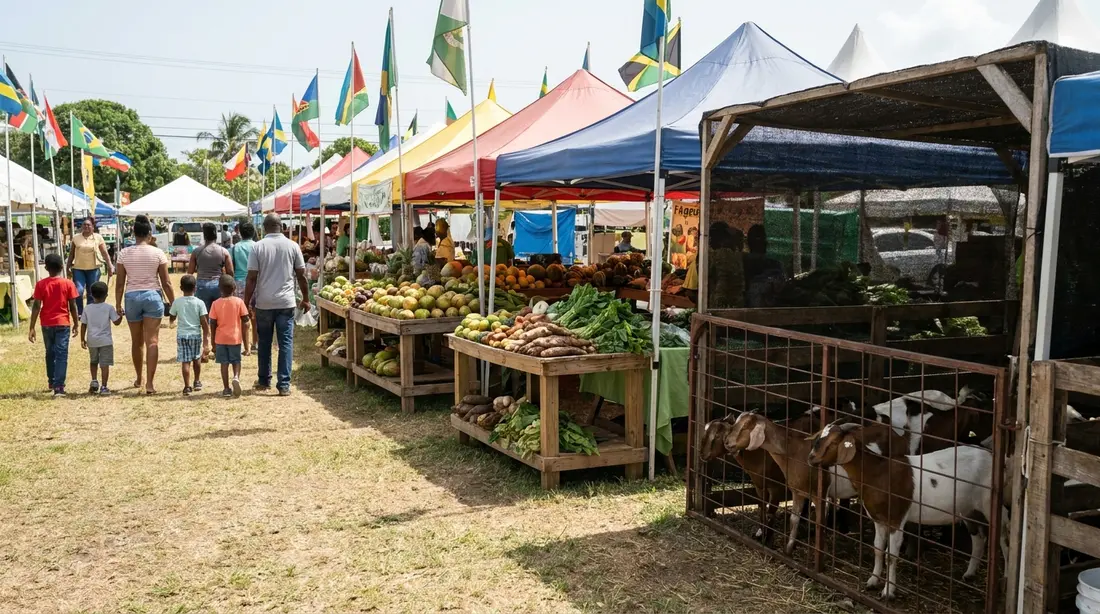
Cane Bay Beach is the finish line and the center of the afternoon. When the parade lands, the beach fills with vendors, music and a crowd in costume, and the day settles into food, drink and swimming for as long as it lasts. Food and drink vendors set up along the parade's path and at the beach, arts and crafts sellers put out tables, and the Cane Bay bars and restaurants along the road do one of their busiest days of the winter. Many people come early, eat breakfast on the waterfront before the noon step-off, and stay through the afternoon.
Cane Bay is a good beach to spend a day at even without a parade. It is one of the North Shore's best-known stretches of sand, with easy swimming and a well-known wall of coral that drops away a short swim offshore. Cane Bay is one of the island's main diving beaches, with dive shops working that wall year round, which is why a dive-shop float rides in the parade and why the crowd here reads the water well. On an ordinary day it is a snorkel-and-dive beach; on Mardi Croix it is a party with a beach attached. To make more of the setting, the Cane Bay Beach guide covers the sand and the swimming, the Cane Bay Wall guide covers the diving just offshore, and Cane Bay's restaurants cover where to eat before and after.
The colors and their New Orleans roots
Purple, gold and green are on everything at Mardi Croix, from the floats to the beads, and the palette comes straight from New Orleans. The three colors trace to the earliest parades of the Rex organization, the New Orleans krewe that has staged a Carnival parade since 1872. Their meanings were set later, at an 1892 Rex parade themed on the symbolism of colors: purple for justice, green for faith, and gold for power. The tale that the colors were chosen to honor a visiting Russian grand duke in 1872 belongs to the tradition's lore, and is repeated more than it is proven.
None of that history is Crucian; it is imported, along with the krewe and the beads, by residents who carried Mardi Gras with them to the island. That is a large part of what Mardi Croix is, a piece of Louisiana replanted on a Caribbean beach, and a young event by the standards of an island this old. Knowing where the purple, gold and green come from is a small way to read the parade for what it is, and to keep it clear in your mind from the island's own, much older carnival.
Finding the date
Mardi Croix moves from year to year. It is tied to the Mardi Gras season, which itself shifts with the church calendar, so the date changes each year and is chosen by the organizers. The general rule is a Saturday close to Mardi Gras, and in practice it has landed anywhere from early February to the first Saturday of March. The 2024 parade ran on February 10, the 2025 parade on March 1, and the 2026 parade on February 7. That last one fell earlier than Mardi Gras itself did that year, which is the plain proof that the date is a choice the Krewe makes and not a formula you can compute from the calendar.
To find the current year's date, check the island event calendars as your trip nears. The tourism listings and the local visitor sites carry it once the Krewe announces, and the group publishes it on its own pages. A villa manager on the island often hears the date before it reaches the printed calendars. If you are choosing travel weeks and want to catch the parade, aim for a February trip and confirm the exact Saturday closer in; if it has slipped to the start of March in your year, the same plan works for March.
Mardi Croix and the island's other big events
Three different events on the St. Croix calendar involve a parade or a street party, and visitors mix them up all the time. Here is how they sort out.
- The Crucian Christmas Festival is the island's Christmas-season carnival, running from late December into the new year. Its village and its two parades are in Frederiksted, the west-end town, with mocko jumbies and quelbe and a line back to the plantation-era Christmas masquerade. It is the island's biggest and oldest celebration.
- Jump Up is Christiansted's quarterly street party, held on single Friday evenings a few times a year and run by the town's merchants. Downtown blocks close to cars and fill with food, music and stilt dancers, and the shops trade late. The February edition near Valentine's Day is the largest.
- Mardi Croix is the North Shore's February Mardi Gras, the day this page covers: a daytime costume parade from La Valle to Cane Bay Beach, run by the Krewe de Croix and ending in a beach party. It is the newest and smallest of the three, and the only one on the North Shore.
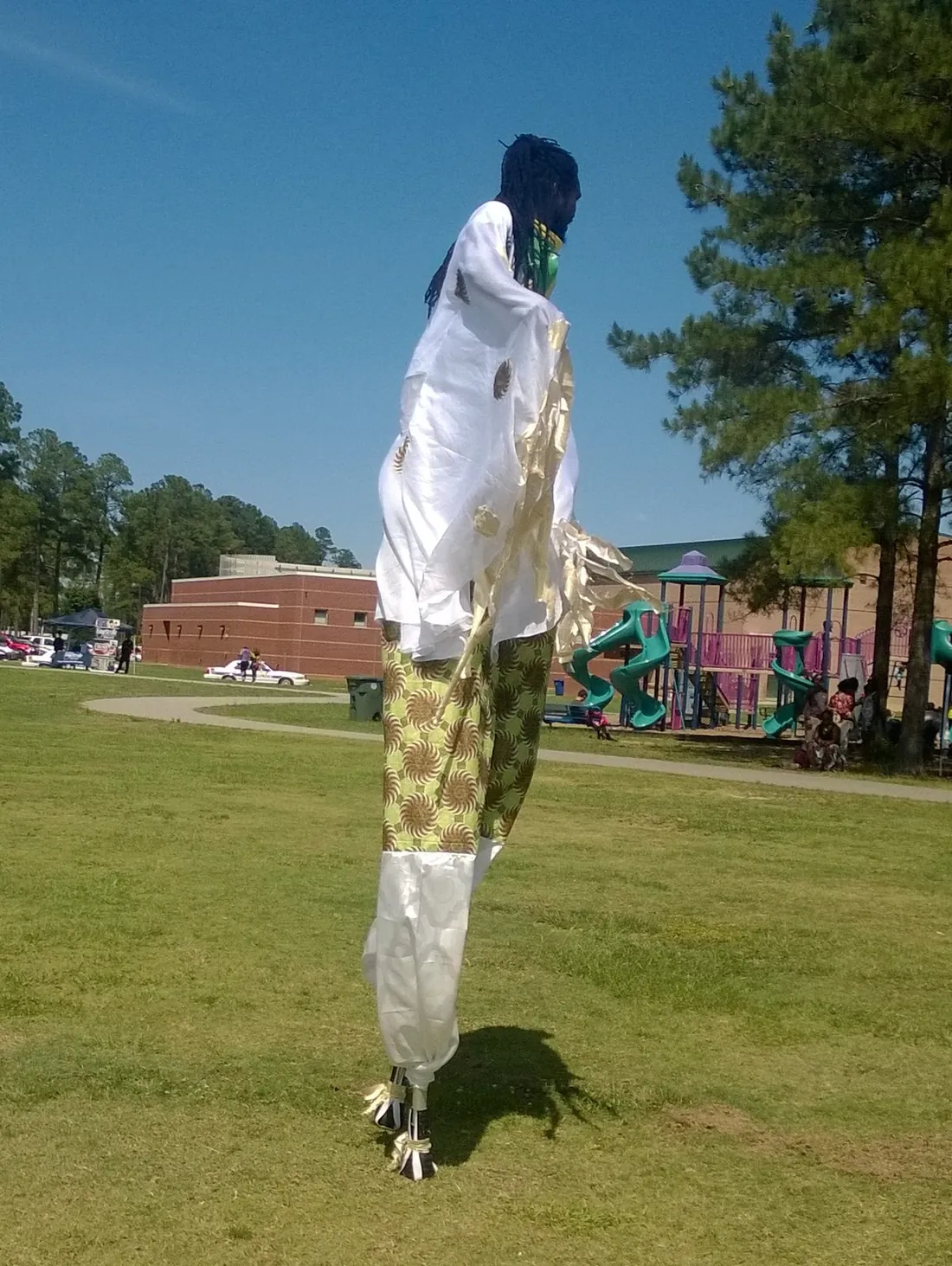
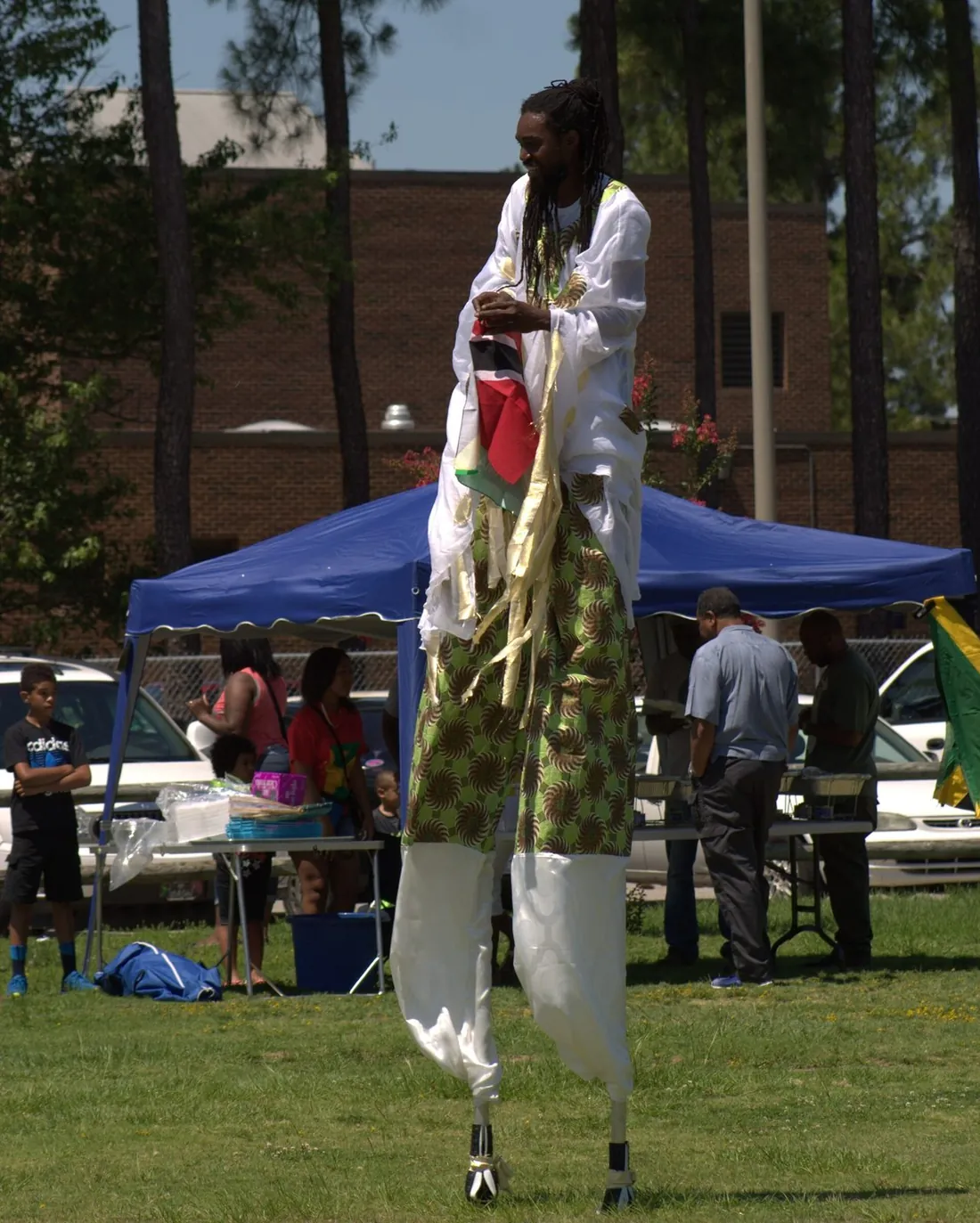
The details that confuse people are the costumes and the stilt dancers. Stilt-dancing mocko jumbies belong to the Christmas Festival and to Jump Up, and the costume vocabulary of those events is Crucian masquerade; Mardi Croix dresses in the New Orleans Mardi Gras style instead, with beads thrown to the crowd. The locations keep the three apart cleanly: the Christmas carnival is a Frederiksted event, Jump Up is a Christiansted event, and Mardi Croix is a Cane Bay event.
Getting to Cane Bay and parking
Cane Bay sits on the North Shore, roughly the middle of the island's north coast, reached by the winding North Shore Road. From Christiansted and the East End, where most villas are, it is about a half-hour drive, a little more from the far East End; from Frederiksted on the west coast it is a similar run up to and along the north shore. There is no bus that suits a day like this, so plan on driving yourself or arranging a taxi.
Parking is the one hard part of a Mardi Croix day. Cane Bay is a small beach settlement with limited roadside space, and it fills for the parade, so the move is the same as for any island event: arrive well before the noon step-off, take whatever legal roadside space you find up or down the road, and walk in. North Shore Road is narrow and runs close to the water, so keep it and the driveways along it clear. If your group would rather not drive at all, a taxi in and out skips the parking problem; the fares, and how cabs work here, are set out in taxis and getting around, with more on the getting-around page, and if you still need wheels for the week, the renting a car guide covers the island's short supply of rentals.
Two island habits are worth a reminder. Driving here is on the left, in ordinary American cars, and North Shore Road has curves and blind bends that reward a slow, sober trip, which matters most on the way home after an afternoon in the sun. And bring cash: the food, drink and craft vendors along the route and on the beach move faster on it, and some take nothing else.
Making a day of it
The shape of a good Mardi Croix day is simple. Come in the morning, before the parade and before the parking fills. Eat breakfast on the Cane Bay waterfront, claim a spot along the road with shade if you can find any, and watch the parade come down from La Valle around noon. Catch beads, then follow the crowd onto the beach for the afternoon, with a swim to break up the heat. Bring what any North Shore beach day needs: reef-safe sunscreen, water, a hat, a towel and something for the sun, because the route and the beach are in full sun for hours and the sea is the only relief there is.
It is a family day for most of its length. Children take to the floats, the costumes and the catching of beads, and the beach gives them somewhere to spend the afternoon; the parade is short enough to hold a small child's attention, and the swim is the reward. As the day wears on the beach party skews a little older and a little louder, in the ordinary way of a party with a bar, but it stays an event you can bring the whole family to for the parade and the early beach hours. For the food you will be eating from the vendors, the Crucian food guide and the pate and johnny cakes page name the island staples.
A community celebration guests join
Mardi Croix is a community event before it is a tourist attraction. Island residents put it on, for island causes, and visitors are welcome at all of it, more warmly for turning up in the spirit of the day. Wear a costume, or at least the colors; a little purple, gold and green is the whole price of admission, and nobody overthinks it. Buy from the vendors and tip the people working the beach, since the money runs back to the causes the Krewe supports. Give the floats room, mind the North Shore Road, and carry your trash off the beach at the end. It is a small parade on a small island, and it runs on goodwill; a guest who arrives ready to join in gets the best of it.
February around Mardi Croix
Mardi Croix falls in the busiest month of the St. Croix year, and it shares the calendar with the island's biggest event. February is peak season: the driest, sunniest stretch of winter, the fullest flight schedule, and the highest villa rates and tightest bookings of the year. The month's centerpiece is AgriFest, the territory's agriculture and food fair, held in the middle of February over the Presidents' Day weekend; between AgriFest and Mardi Croix, February carries one of the fuller event calendars on the island. If your trip is built around either, book early, because both land on weekends inside the season's peak. The whole month, weather, crowds, whales and all, is laid out in the St. Croix in February guide, and the island's Jump Up often adds a February date near Valentine's Day.
What to expect at a glance
| What | The detail, at last check |
|---|---|
| What it is | St. Croix's Mardi Gras: a costume parade and beach party |
| Who runs it | The Krewe de Croix, a non-profit of Louisiana transplants |
| When | A Saturday tied to Mardi Gras season; February most years, sometimes early March |
| Where | North Shore Road, from near La Valle to Cane Bay Beach |
| Start | Parade steps off around noon |
| Colors | New Orleans purple, gold and green |
| The throw | Beads and trinkets tossed to the crowd |
| At the beach | Food and craft vendors, music, swimming |
| Cost | Free to watch; bring cash for the vendors |
| Getting there | About a half-hour drive from Christiansted; limited parking, arrive early |
| Family fit | Family day for the parade and early beach hours |
Questions guests ask
What is Mardi Croix?
It is St. Croix's version of Mardi Gras: a daytime costume parade that runs along North Shore Road and ends in a beach party at Cane Bay. A non-profit group called the Krewe de Croix organizes it, the floats and the crowd wear the New Orleans colors of purple, gold and green, and marchers throw beads to the people along the route. It happens on a Saturday, usually in February. Compared with the island's big Christmas carnival it is small and light, an imported tradition rather than a Crucian one, and its whole point is a friendly parade that finishes with an afternoon on the sand.
When is Mardi Croix, and how do I find the date?
It moves each year with the Mardi Gras season. The rule of thumb is a Saturday near Mardi Gras, and recent editions have run on February 10 in 2024, March 1 in 2025, and February 7 in 2026, so the window stretches from early February into the first days of March. The Krewe sets and announces the date each year, so there is no fixed calendar to rely on far ahead. Check the island event calendars and the tourism listings as your trip nears, and ask your villa manager, who often hears it first. If catching it matters, plan a February trip and confirm the Saturday closer in.
Where does the parade start and finish?
It forms up on North Shore Road a short way east of Cane Bay, near La Valle, at a spot known locally as Sylvie's Place, and steps off around noon. From there it runs along the coast road to Cane Bay Beach, a parade of about a mile. The floats park at the beach and the day becomes a beach party, with vendors, food and swimming carrying the afternoon. Good viewing is anywhere along the road with a clear line to the floats; the beach end is where the crowd settles once the parade arrives. Come early, both for a spot and for the limited parking.
Who puts on Mardi Croix?
The Krewe de Croix, a group of Louisiana transplants and Mardi Gras enthusiasts who run the parade as a non-profit. In New Orleans a krewe is the organization behind a Mardi Gras parade, and this one brought the word and the tradition to St. Croix, starting the event in 2002. The group uses Mardi Croix to raise money for island causes, with education, health, the environment and culture named among them at last check. Because volunteers run it, the size of the parade varies from year to year, and the money you spend on beads, food and craft along the route helps fund the group's giving.
Is Mardi Croix the same as the Crucian Christmas Festival or Jump Up?
No, and the three get mixed up all the time. The Christmas Festival is the island's Christmas-season carnival, with a village and two parades staged in Frederiksted from the end of December into January. Jump Up is Christiansted's quarterly evening street party, run by the town's merchants on single Fridays through the year. Mardi Croix is a separate, newer, smaller thing: a February daytime Mardi Gras parade on the North Shore, from La Valle to Cane Bay Beach. The stilt-dancing mocko jumbies belong to the first two, and not to Mardi Croix, while the locations keep the three apart, Frederiksted, Christiansted and Cane Bay in turn.
Is Mardi Croix good for kids?
Yes, for the parade and the early part of the beach day. Children take to the colorful floats, the costumes and the beads thrown from the line, and the parade is short enough not to lose them. Once it reaches Cane Bay the beach gives them room to swim and play through the afternoon. Later the beach party grows a little louder and a little more adult, in the way of any party with a bar, so families with young children tend to enjoy the parade and the first beach hours and head off before the late part. Bring sun cover, water and a towel, and plan a swim into the day.
How big is Mardi Croix, and how crowded does it get?
It varies, because volunteers run it. Some years bring a long line of floats and a packed beach; others run smaller, and island coverage of the 2013 parade called it a scaled-down edition. Either way it is a modest event next to the island's Christmas carnival, and the crowd is a North Shore beach crowd rather than a downtown crush. The pinch is not the beach but the road: Cane Bay is small, roadside parking is limited, and both fill for the parade. Come well before the noon step-off, and the day feels roomy enough even in a busy year.
What should I bring, and where do I park?
Bring cash for the vendors, reef-safe sunscreen, water, a hat, a towel and swim things, and something in purple, gold or green if you want to join in. Parking is the tricky part: Cane Bay is a small settlement with limited roadside space that fills for the parade, so arrive well before the noon step-off, park legally up or down North Shore Road, and walk in without blocking the road or driveways. There is no Uber or Lyft on the island, and cars keep to the left, so if anyone plans to drink, book a cab for the trip out and back before you leave the villa.
Mardi Croix from our villas
A Mardi Croix day works well from a villa, because it needs so little of you, a drive up to the North Shore and an unhurried afternoon on the sand. Most of our homes cluster near Christiansted and the East End, about a half-hour from Cane Bay, close enough to come for the noon parade and drive home in the light. Base the day at The Cerulean or another of the East End houses; on the west coast, Sunset Sea-Clusion reaches Cane Bay along the north shore. February books far ahead across the island, so if the parade is on your list, start the conversation early and tell us it is the reason; see all our villas to choose where to stay.
Sources
Written from official and first-party sources, checked August 2026. Hours, prices and event dates change — confirm before you go.
In this guide
Stay nearby
On The Shoys beach: six bedrooms, six baths, pool and hot tub, room for twelve, and the beach through the back garden.
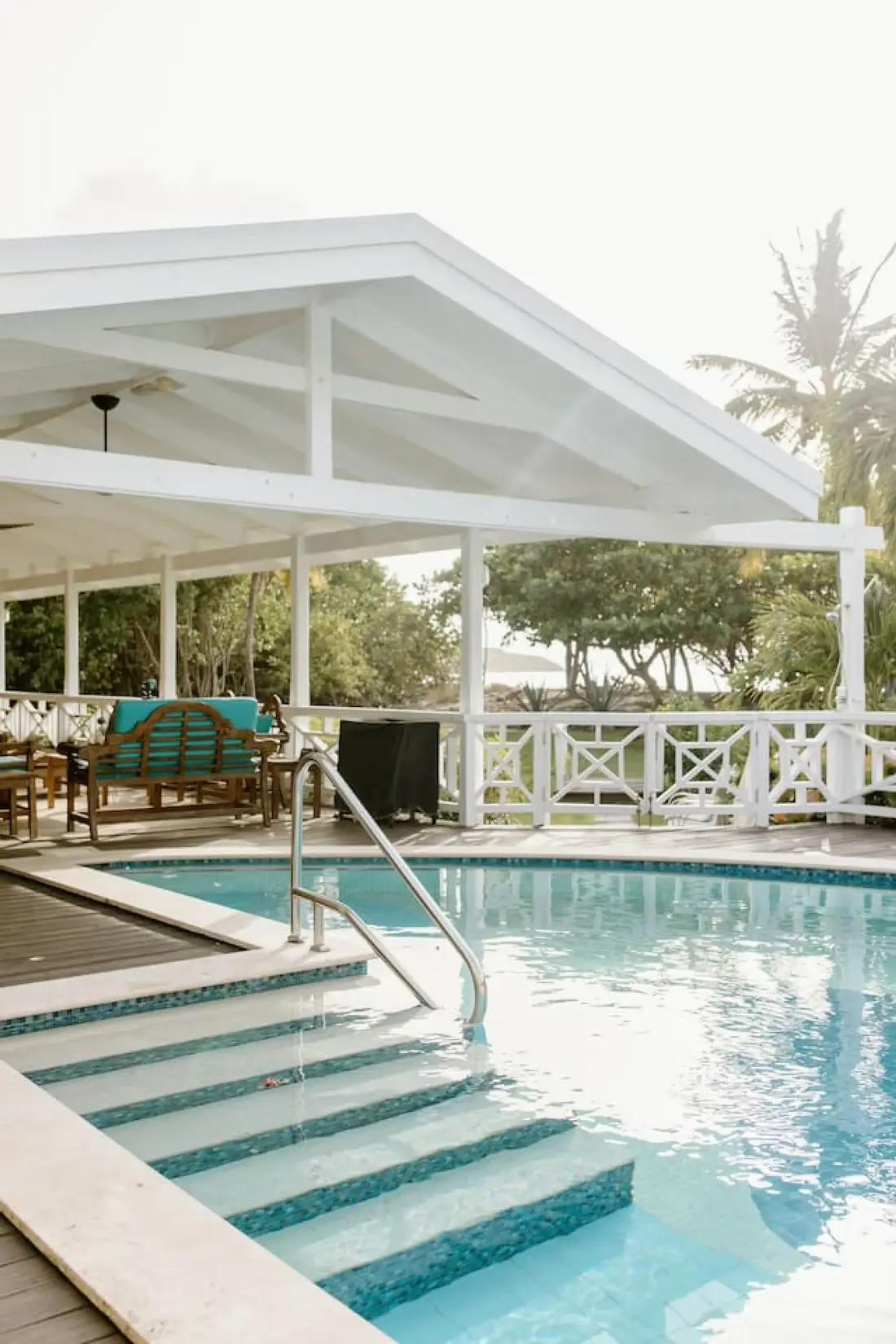 Shoy's Beach House6 bd · 6 ba · sleeps 12 · Christiansted
More in Events & Festivals
Sources
9 references, listed in full at the end of this guide — official park, refuge, tourism-board and business sources, checked August 2026.