The Local Institutions
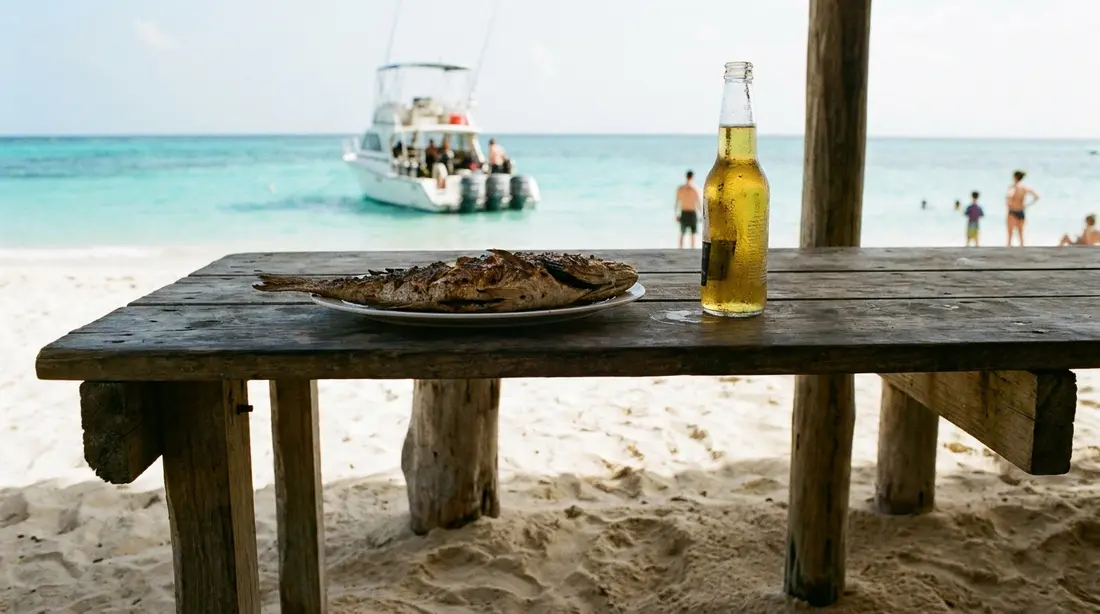
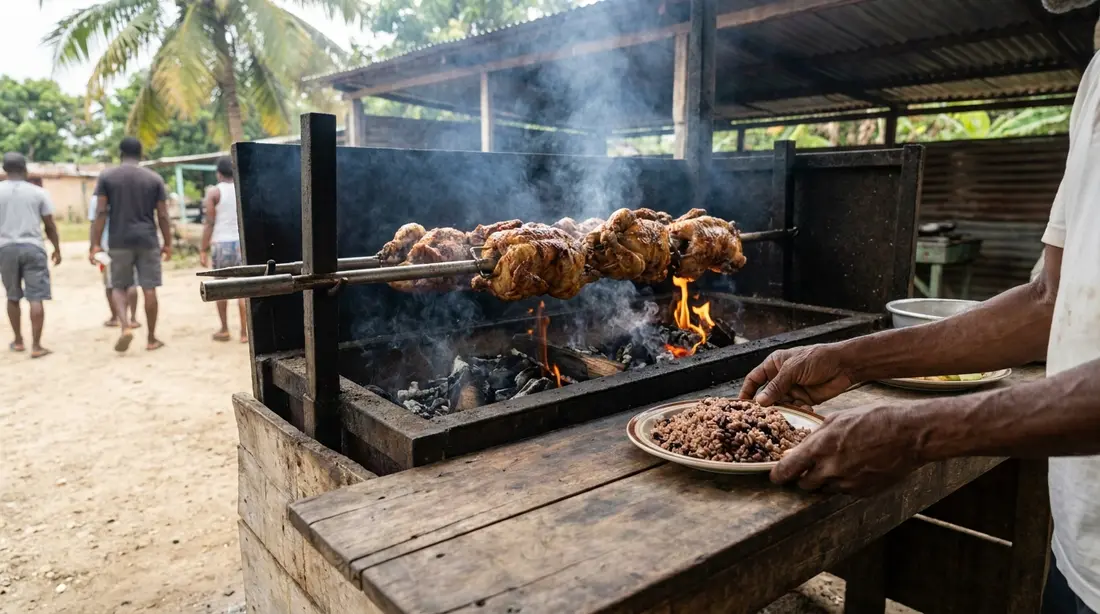
La Reine Chicken Shack's spit-roasted chicken, Turtle's Deli's monster sandwiches: the no-frills spots locals actually queue for.
Ask a Crucian where to eat and the answer is often a place older than you are. St. Croix keeps a short roster of food businesses that have fed the island for generations — a chicken shack over coals, a bakery whose bread three generations grew up on, a rum distillery running since before the United States existed. This page is the reference for those places: what makes a spot an institution on an island this size, which ones were still open at last check, the families behind them, and how a visitor eats at them with the respect they are owed. The venues themselves are written up in full in the town restaurant and food guides linked throughout; this page is the map of longevity, not another menu.
What counts as an institution here
An institution is not the best restaurant on the island in any given year, and it is rarely the newest. It is the place that stood before the last hurricane and will likely outlast the next one: the counter your taxi driver has eaten at since childhood, the bakery whose bread three generations bought on the same corner, the distillery older than the American republic. On St. Croix the qualifying trait is simply time, and time here is harder-won than it sounds.
Consider what a food business has to survive on a 28-mile island. Hurricane Hugo flattened much of St. Croix in 1989; Maria did it again in 2017, and the storms in between took their turns. The economy has swung for half a century on a single employer — the giant oil refinery on the south shore that boomed into one of the world's largest, shut in 2012 and took thousands of paychecks with it, then restarted and stumbled again. Restaurants open and close here faster than guidebooks can track, which is why every town dining guide on this site carries a section on rooms that no longer answer the phone. Against that churn, a kitchen that has run for thirty, fifty or a hundred years has outlasted storms, recessions, successions and the deaths of the people who started it.
So the institutions share a profile. Most are family-run, and many are on their second or third generation behind the same counter. Most are known for one thing done the same way for decades — a coal-roasted chicken, a churned ice cream, a loaf of bread — rather than a menu that reinvents itself. Most were built by word of mouth and stay full the same way, with little marketing and no chain behind them. And most are cash-first, counter-served and priced for the neighborhood, because the neighborhood is who kept them alive. A quick test separates the real ones from the spots that only trade on the word: an institution has a dish locals order without glancing at the board, a name older than its current sign, and a line made up mostly of residents. This page gathers the ones still cooking at last check, points to the full write-ups in the town and food guides, and tells the part those listings leave out: who built these places, and what it means to eat at them.
La Reine Chicken Shack
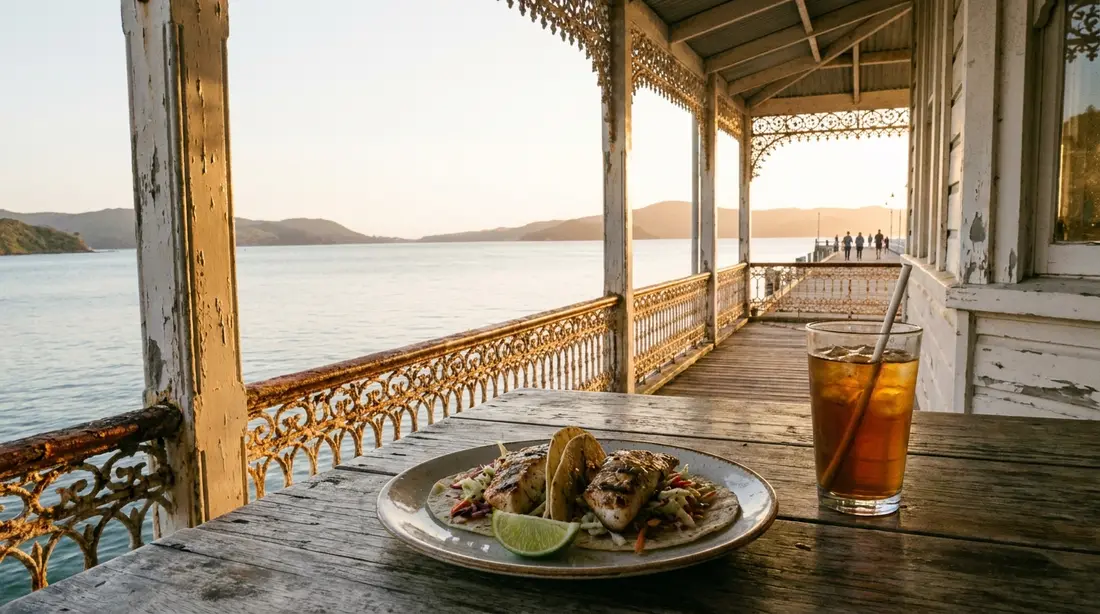
If one address answers the question of where the island eats lunch, it is La Reine Chicken Shack, an open-air kitchen at Estate La Reine mid-island, off Route 75 near the Centerline Road junction. It has fed the middle of the island for decades and sits, year after year, at or near the top of every visitor ranking of St. Croix restaurants — an unusual place for a roadside chicken stand, and a fair measure of how completely locals and visitors agree on it.
The chicken is the reason. It is cooked slowly over coal, seasoned to a recipe the kitchen keeps to itself, and pulled off with a smoke and a crust that a rotisserie oven cannot fake. It comes with johnny cakes — the fried rounds the island's own street-food guide names as the benchmark other johnny cakes are judged against — and with the standard sides: mac and cheese, rice and beans, plantain and the rest of the Crucian plate. The board runs past chicken to ribs, pork chops, steak, conch and fish, and on Saturdays the kitchen roasts a whole pig. There is a full bar, which turns a quick lunch stop into a lingering one. The open-air room, the easy welcome and the mix of locals and visitors at the tables make it a place the island gathers rather than a takeout window with a queue.
Eating here rewards a little planning. Cash is the safe assumption. The kitchen has kept roughly late-morning-to-evening hours most days of the week, though sources disagree on the exact Sunday window, so a call saves a mid-island drive on the wrong afternoon. Go at lunch rather than the tail of the day, when the best of what was cooked is still on the line. And take it for what it is: a working neighborhood kitchen that happens to welcome visitors, rather than a tourist attraction dressed as a local one. The street-food guide covers the johnny cakes in depth, and the Crucian food guide puts the whole plate in context.
The oldest tables still set
These are the sit-down rooms and the one resort dining tradition that have held their place the longest. Each has its full write-up — menu, hours, reservations — in the restaurant guide for its town; the note here is only what earns it a spot on this page.
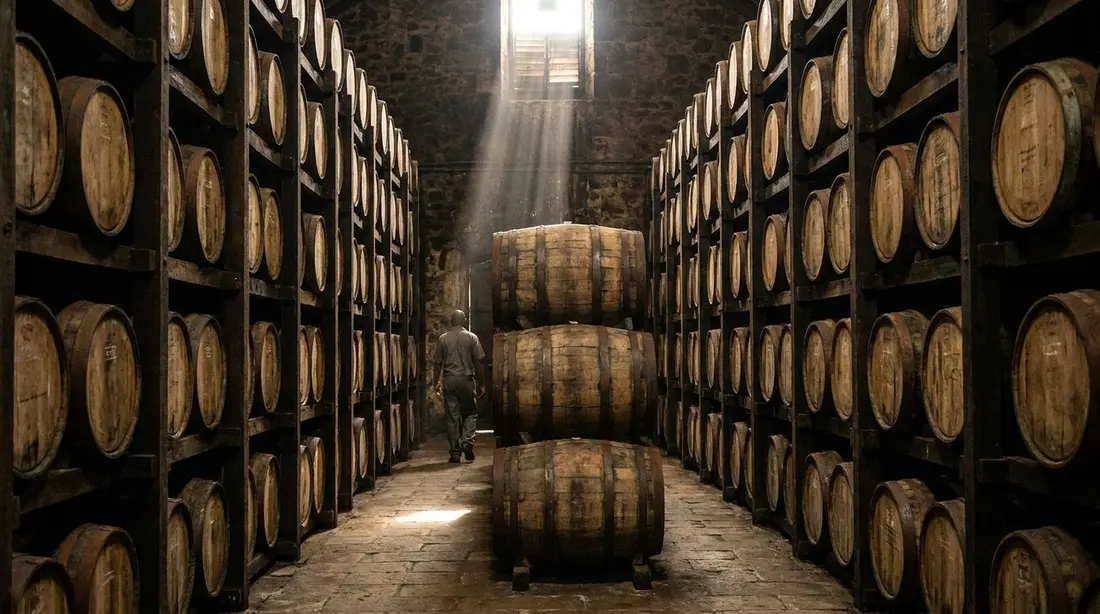
- Cruzan rum, Estate Diamond (since 1760) — rum has been distilled on this west-end estate since before the United States existed, under a tradition the Nelthropp family carried across generations. It is the oldest continuously operating food-or-drink business on the island by roughly two centuries. Tours and the full history are in the Cruzan distillery guide.
- The Buccaneer (since 1947) — the Caribbean's oldest family-run resort, opened with eleven rooms by the Armstrong family on a cattle estate they had held since 1922, and run by the same family for three generations since. Its grounds hold a sugar mill from the early 1700s and a wing tied by legend to Alexander Hamilton's time on St. Croix. The dining rooms, open to non-guests, are covered in the East End restaurants guide, its golf in the Buccaneer golf guide.
- The Bombay Club (since 1982) — the longest-serving dinner room in Christiansted, set into the cellar of a Danish townhouse off King Street. Full details in the Christiansted restaurants guide.
- Duggan's Reef (since 1983) — the East End's beachfront seafood house, family-owned from the start, still setting tables a few steps off Teague Bay. See the East End restaurants guide.
- The Southgate burger yard (since 1989) — the open-air burger-and-music garden on Route 82 that has fed the road east of town for more than thirty years, closed for a stretch and relaunched in 2024 under new local owners. Everyone just says Cheeseburgers; the East End guide has the story.
- Turtle's Deli (since 1996) — Frederiksted's sandwich landmark, baking its own bread and stacking it past reason, a winner in local best-deli polls for years. The full write-up is in the Frederiksted restaurants guide.
- Savant (since 1998) — the town's special-occasion table for nearly thirty years, a run almost no island restaurant manages, still booked days ahead in season. Details in the Christiansted restaurants guide.
The counters, the bakery and the rum shop
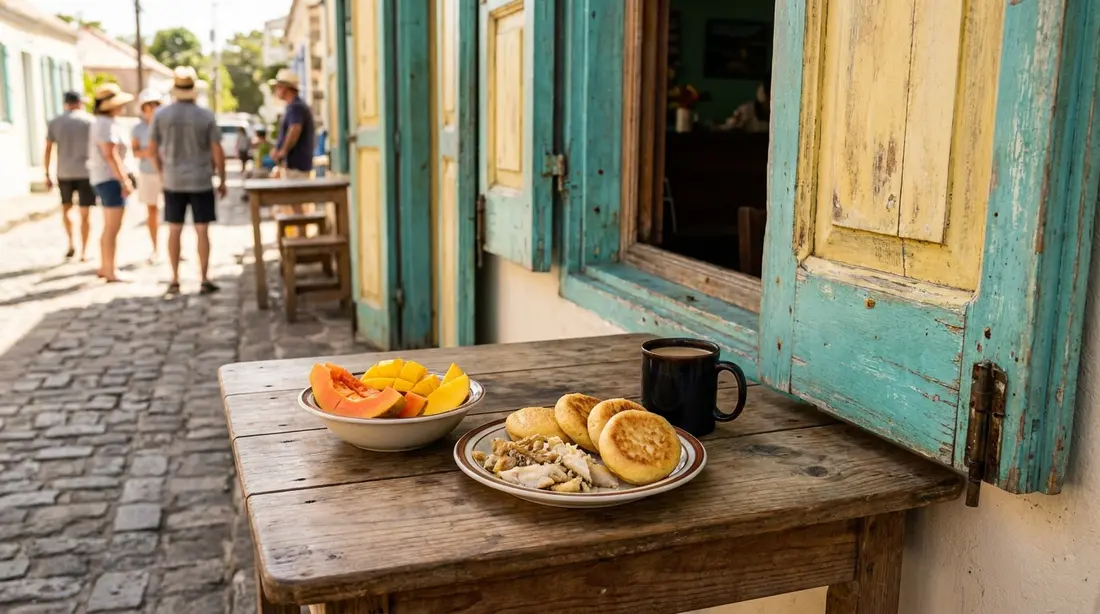
Below the restaurants sits the everyday layer, and this is where the island's food memory runs deepest. These are the counters and windows that feed locals on ordinary days, several of them older than any dining room above.
- Armstrong's Homemade Ice Cream (since about 1900) — the oldest food business on St. Croix, begun when Minerva Petersen pushed a cart of ice cream around Frederiksted more than a century ago, carried on by her son Ivan and then his son Cedric, and finally given a fixed storefront near Estate Whim in 1996. The mango, soursop and gooseberry scoops come straight off the island's fruit trees; the full account is in the coffee and sweets guide, and Polly's scoops it in town per the Frederiksted guide.
- Thomas Bakery (since the early 1980s) — for as long as most Crucians can remember there has been a Thomas Bakery, and its butter bread and titi bread are a household staple across the island. The counters and cases are mapped in the coffee and sweets guide; the family behind them gets its due below.
- Rosa's Booth (more than fifty years) — a family pate window out by the Whim ballpark on the Frederiksted end, frying saltfish, beef and conch turnovers to a following that has outlasted half a century. Covered in the pate and johnny cakes guide.
- Singh's Fast Food — the West Indian curry-and-roti counter that has held the west end of King Street in Christiansted for years, a reminder that the island's institutions are Trinidadian and Kittitian as much as Crucian. See the street-food guide.
- The Mt. Pellier Domino Club (since the early 1970s) — the rainforest rum shop off Mahogany Road that locals still call Norma's, after longtime proprietor Norma George, and the home of the beer-drinking pigs that have made it a fixture for over fifty years. The pigs take non-alcoholic beer now; the visit is written up in the Domino Club guide.
La Reine, above, belongs to this layer too. The counters are where the island's food identity actually lives, and where longevity is measured in decades of daily lunches rather than magazine mentions.
The families who kept them going
The thread running through almost every name on this page is a family, not a company. St. Croix's food does not pass down through culinary schools or investor groups; it moves from a mother to a son to a grandson, along with the recipe and the lease.
The clearest arcs tell the whole story. Andrew F. Thomas was born in Trinidad in 1941 and came to the Virgin Islands in the early 1970s; after a layoff at the refinery he fell back on a boyhood apprenticeship in a Trinidad bakery and his grandmother's bread recipe, and started Thomas Bakery in a wooden shed behind the family house, opening his first proper shop on King Street in Christiansted before the family spread to Castle Coakley and Frederiksted. Four decades on, his children run the counters — a daughter and two sons across St. Croix, and a son and grandson who carried the bread all the way to Georgia — and when the founder died in 2024, the island mourned a baker the way other places mourn a statesman. The ice-cream Armstrongs run three generations deep, from Minerva Petersen's pushcart to Cedric's shop. The Buccaneer belongs to a different Armstrong family, now in its third generation of running the resort under Elizabeth Armstrong. And the Nelthropp name threads through both the Cruzan rum story and the Senepol cattle the island bred as its own, a lineage laid out in the Crucian food guide.
That succession is the fragile part. An institution is only ever one generation from closing, which is what makes the ones still open worth seeking out — and the ones that closed worth remembering.
What the institutions are known for
Each of these places is shorthand for a dish, and the dishes have their own reference pages rather than being re-explained here. La Reine means coal-roasted chicken and johnny cakes. Rosa's and the bakery counters mean the pate, the fried turnover that is the island's true fast food. Harvey's, when it stood, meant fish in creole sauce and stewed conch, the home-style Crucian plate. The canon behind these names, from fish and fungi to kallaloo to the sweets, lives in three guides: the Crucian food guide for the cuisine as a whole, the pate and johnny cakes guide for the fried-dough branch, and the kallaloo and fungi guide for the two dishes at the tradition's core. Read those for the food; this page is about the places and the people who have kept cooking it.
The ones that closed
An island's food memory is partly a list of places you can no longer eat. These are the institutions that have shut, kept here because visitors still arrive asking for them and because the island still talks about them.
Harvey's is the one locals name first. For some 33 years Sarah Harvey cooked home-style Crucian food out of a small, un-air-conditioned room on Company Street in Christiansted — fish in creole sauce, stewed conch, fungi — with no printed menu and a following that treated the place as a second kitchen. Harvey came to St. Croix from the mainland in 1970 at twenty-one and spent her life in the island's restaurants. She also helped raise the basketball player Tim Duncan after his mother died, and the future Hall of Famer waited tables at Harvey's as a teenager and stopped in for a plate on visits home. The restaurant did not reopen after the pandemic. When someone recommends Harvey's to you now, they are handing you a memory, and it is worth accepting as one.
Villa Morales, the Puerto Rican-Crucian family restaurant that fed the west end for generations, stopped regular service in 2019, though the family's cooking survives in occasional pop-up dinners the Frederiksted restaurants guide tracks. The Galleon, for decades the fine-dining room at Green Cay Marina on the East End, went dark after the 2017 storms and a brief return; the East End guide carries its status. The dining room at Club Comanche — the island's oldest hotel, opened in 1948 inside a Danish great house from the 1750s — built from channel coral, ship's ballast brick and salvaged timber — that also held the Virgin Islands' first swimming pool — was a Christiansted institution for decades; the hotel has changed hands over the years and its restaurant has come and gone, though the landmark building still stands, as noted in the Danish architecture walk. And the Kendricks, a family who ran the island's special-occasion tables for decades, closed their celebrated fine-dining room years ago. Each closure moved a piece of the island's cooking somewhere else — to a fair booth, a food van, a family kitchen — which is the pattern St. Croix has always followed.
How to eat at an institution
These places have their own manners, and following them is the difference between being a guest and being a tourist. None of it is difficult.
Start with a greeting. A good morning or good afternoon comes before the order here — it is how business opens across the Caribbean, and skipping straight to "can I get" marks you faster than any accent. Then slow down. Many of these counters are one family's whole livelihood, cooking from scratch at the pace the fryer and the grill set, and a line is not a delay to complain about; it is the review. Most of the oldest counters still run on cash, so carry some, and settle the tip question by the room: a jar by the register at a counter, mainland practice at a sit-down table, with a look at the bill first for a service charge already added, all in money and tipping.
Timing matters more than it does at a chain. Several of these kitchens cook to a daily quantity rather than a closing time, so the middle of the day is a safer bet than the end of it, and a place that has sold out by two in the afternoon is telling you to come earlier next time, not that it failed you. Ask what is good today rather than reading a menu that may not exist; the person answering is usually the person cooking, and the answer comes fast, with no upsell. And remember that you are eating where the island has eaten for years before you arrived and will keep eating after you go. Treat the room that way and it opens up.
A day on the institutions trail
The old places can be strung into a single day that crosses the island and doubles as a history tour. One workable route runs roughly east to west.
Start with breakfast at a bakery counter — a warm round of butter bread or a saltfish pate from Thomas Bakery or a supermarket case, eaten in the car or on the Christiansted boardwalk while the town wakes up. Mid-morning, drive inland to La Reine and time it for an early lunch of coal-roasted chicken and johnny cakes before the counter gets deep. From there the west end opens up: the Cruzan distillery at Estate Diamond for the 260-year-old rum tradition, then a scoop of soursop or gooseberry ice cream at Armstrong's near Estate Whim, with the sugar-plantation museum next door to walk it off.
Point the car into the rainforest for a mid-afternoon drink at the Domino Club on Mahogany Road, where the pigs and the rum shop have held on since the early 1970s. If the timing lines up, finish in Frederiksted for a Turtle's sandwich carried to the seawall. The single richest day for the institutions, though, is not on this road at all: it is AgriFest in February, when the traditional cooks set up side by side, or the festival food fair over the New Year holiday, when the whole canon appears in one field of booths.
Why longevity is the measure
There is a practical reason to chase the old places and a deeper one. The practical reason is reliability: a business that has cooked the same thing well for thirty years has been corrected by thousands of local customers who would not tolerate a bad plate twice, so the food has been tuned to a standard the newer spots are still finding. It is also a hedge against a wasted meal on a short trip: the institutions are where a week's visitor spends limited dinners at the least risk.
The deeper reason is that eating at an institution puts you inside the island's actual life rather than a version staged for visitors. When you order coal-roasted chicken at La Reine or a pate at a fifty-year-old booth, you are eating exactly what the family in line beside you is eating, from the same kitchen that fed their parents. That is the closest a week's visitor comes to the island as residents live it, and it costs less than the resort dining rooms, not more. The respect flows both ways: these places have carried St. Croix's food through storms and hard decades, and showing up for them — cash in hand, greeting first, patience ready — is a small way of helping carry it a little further.
The institutions at a glance
Status and standing as of last check in August 2026; the linked guides carry current hours and details, which move with the seasons.
| Institution | Known for | Standing | Full write-up |
|---|---|---|---|
| La Reine Chicken Shack | Coal-roasted chicken, johnny cakes | Open; decades mid-island | Street food |
| Cruzan (Estate Diamond) | Rum since 1760 | Open; oldest on island | Distillery |
| Armstrong's | Local-fruit ice cream | Open; since about 1900 | Coffee & sweets |
| Thomas Bakery | Butter bread, titi bread, pates | Open; since the early 1980s | Coffee & sweets |
| The Buccaneer | Family resort dining | Open; since 1947 | East End dining |
| Duggan's Reef | Beachfront seafood | Open; since 1983 | East End dining |
| The Bombay Club | Cellar-room dinner house | Open; since 1982 | Christiansted dining |
| Savant | Fusion fine dining | Open; since 1998 | Christiansted dining |
| Turtle's Deli | House-baked sandwiches | Open; since 1996 | Frederiksted dining |
| Domino Club | Rainforest rum shop, the pigs | Open; since the early 1970s | Domino Club |
| Harvey's | Home-style Crucian plates | Closed after 2020 | Crucian food |
| Villa Morales | Puerto Rican-Crucian dinners | Closed 2019; pop-ups | Frederiksted dining |
Questions guests ask
What is the most famous local restaurant on St. Croix?
For everyday local food, La Reine Chicken Shack mid-island is the name that comes up most, known for coal-roasted chicken and johnny cakes and consistently among the island's top-rated spots. For a special-occasion room, Savant in Christiansted has cooked since 1998, and Duggan's Reef has held the East End beachfront since 1983. The most famous of all, Harvey's home-style kitchen in Christiansted, closed after the pandemic and lives on only in memory. Which one fits comes down to the meal you want — a paper plate or a white tablecloth; the island is proud of both ends.
Is Harvey's still open?
No. Sarah Harvey's home-style Crucian restaurant on Company Street in Christiansted, a landmark for some 33 years, did not reopen after the pandemic, and any list that still includes it is out of date. The tradition it stood for moved to food fairs, family kitchens, food vans and counters like La Reine. For the same plates today, the Crucian food guide maps the whole cuisine and where to find each dish, and the Christiansted restaurants guide lists what is currently open in town.
What is the oldest business on the island?
For food and drink, two answers. Cruzan rum has been distilled at Estate Diamond on the west end since 1760, which makes it the oldest by a wide margin. For prepared food, Armstrong's ice cream traces to about 1900, when Minerva Petersen sold from a pushcart in Frederiksted; it is now three generations and more than a century old. The oldest hotel, Club Comanche in Christiansted, opened in 1948 in a Danish great house from the 1750s. Each has its own guide linked on this page.
Why did the beer-drinking pigs stop drinking beer?
They still drink; the Mt. Pellier Domino Club simply switched the pigs to non-alcoholic beer for their health some years ago. The rainforest bar off Mahogany Road, still known to locals as Norma's after proprietor Norma George, has kept the pigs as its draw since the early 1970s, and the animals crack and drink the cans themselves as the party trick that made the place famous. The full visit, directions and what to expect are in the Domino Club guide.
Do the old places take credit cards?
The sit-down restaurants generally do. The counters, windows and roadside kitchens often do not, and La Reine is safest treated as cash. The working setup is a card for the restaurant-guide rooms and a fold of small bills for the chicken shack, the pate booths and the fairs. Tipping follows the room: a jar at a counter, mainland percentages at a table, with a check of the bill for a service charge already added. The money and tipping guide lays out the details.
Can I eat traditional Crucian food outside festival season?
Yes, though it takes a little more hunting off-season. La Reine cooks year-round, the pate booths and Thomas Bakery counters run daily, and Singh's covers West Indian curry and roti in town. The deeper traditional plates — kallaloo, souse, stewed meats — surface at local counters and family kitchens rather than on fixed menus, so asking around is the method, and a villa manager is the fastest source. AgriFest in February and the New Year festival food fair concentrate everything in one field, but the everyday institutions serve the island's food all year.
Eating at the old places from a villa
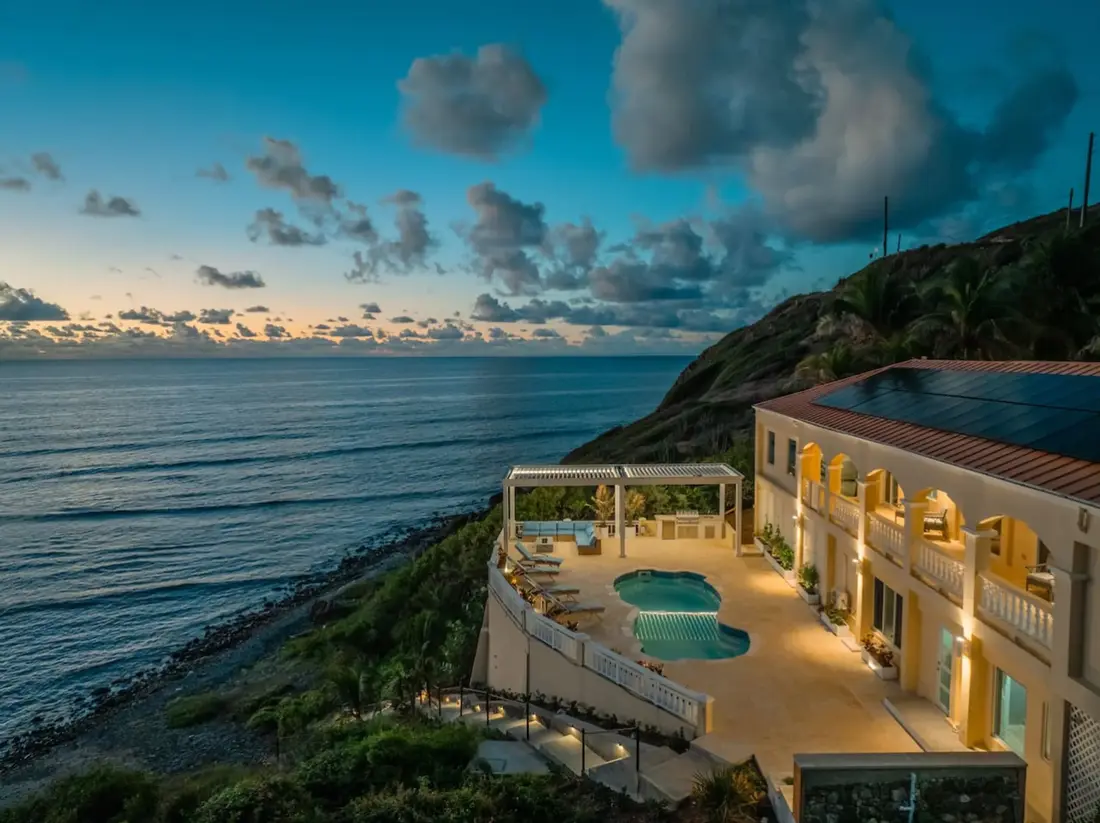
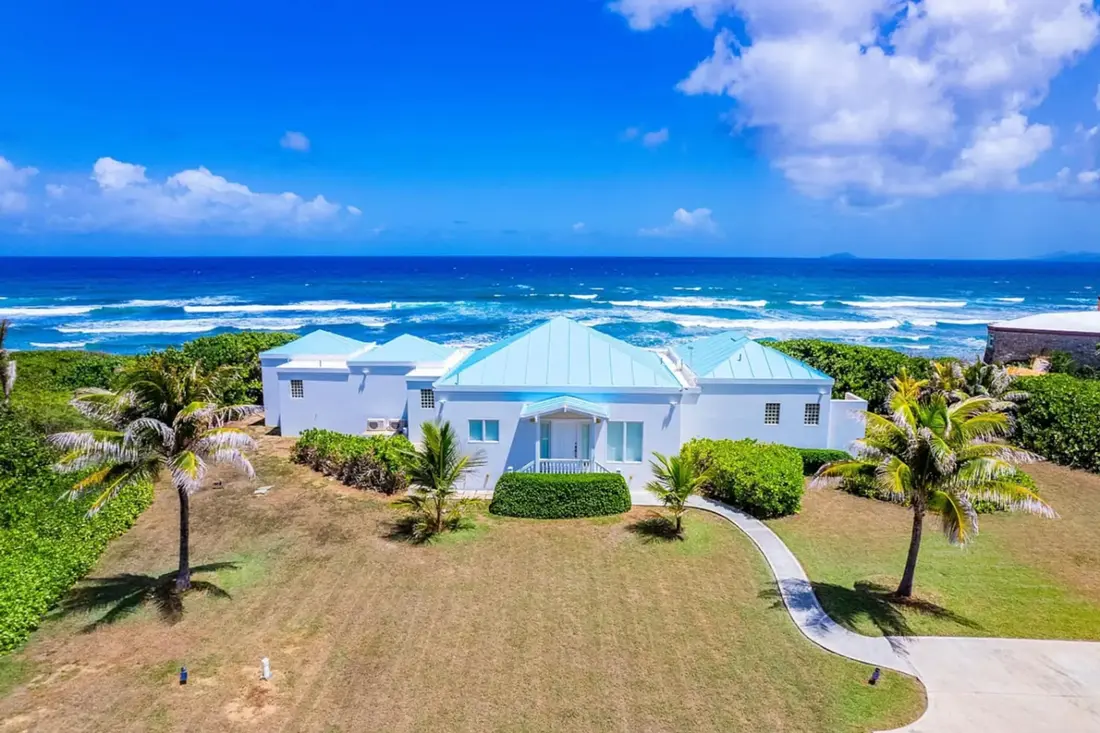
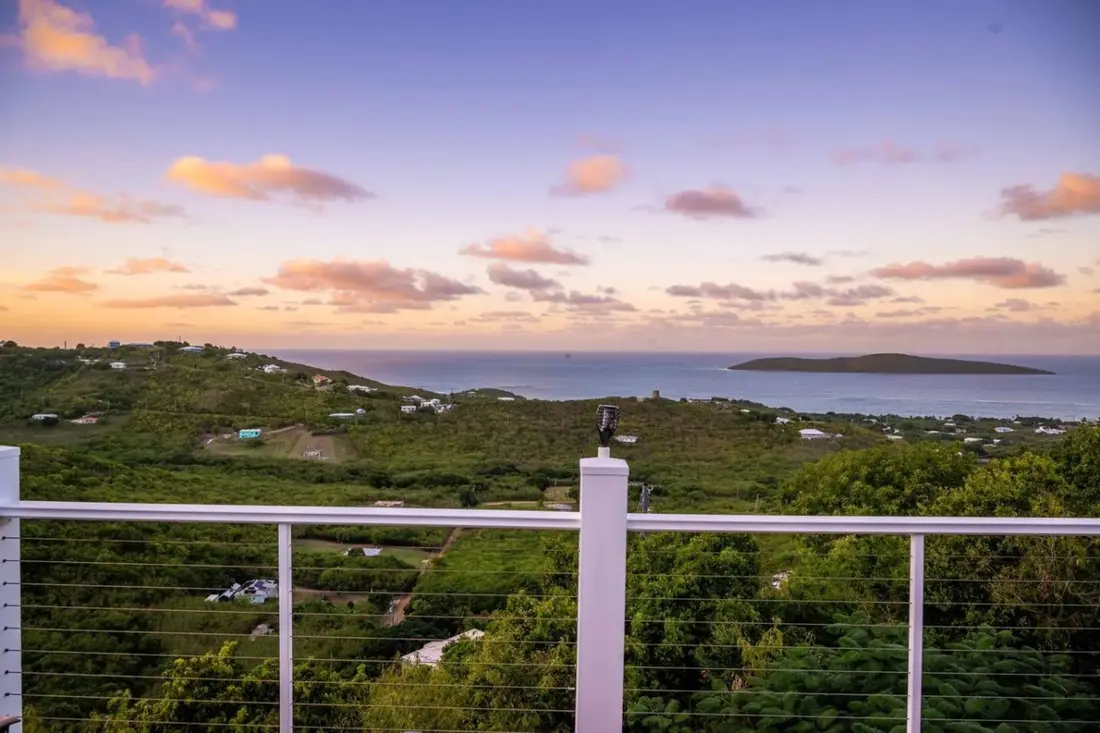
A villa week is built for this kind of eating. You have a kitchen for the market fruit and the fish off the Saturday coolers, a fridge for whatever the bakery run brings home, and a base within a short drive of both towns and the mid-island counters. Our guests tend to fold the institutions into the week without trying — a bakery-counter breakfast, a chicken-shack lunch on a drive across the island, one of the older dining rooms for a night out. The Cerulean and the rest of the East End collection put Duggan's and the Buccaneer minutes away, while Shoy's Beach House sits close to town; the full villa collection is a click away. Ask us who is cooking the real thing the week you arrive, and we will point you at the counter with the line.
Sources
Written from official and first-party sources, checked August 2026. Hours, prices and event dates change — confirm before you go.
In this guide
Stay nearby
On The Shoys beach: six bedrooms, six baths, pool and hot tub, room for twelve, and the beach through the back garden.
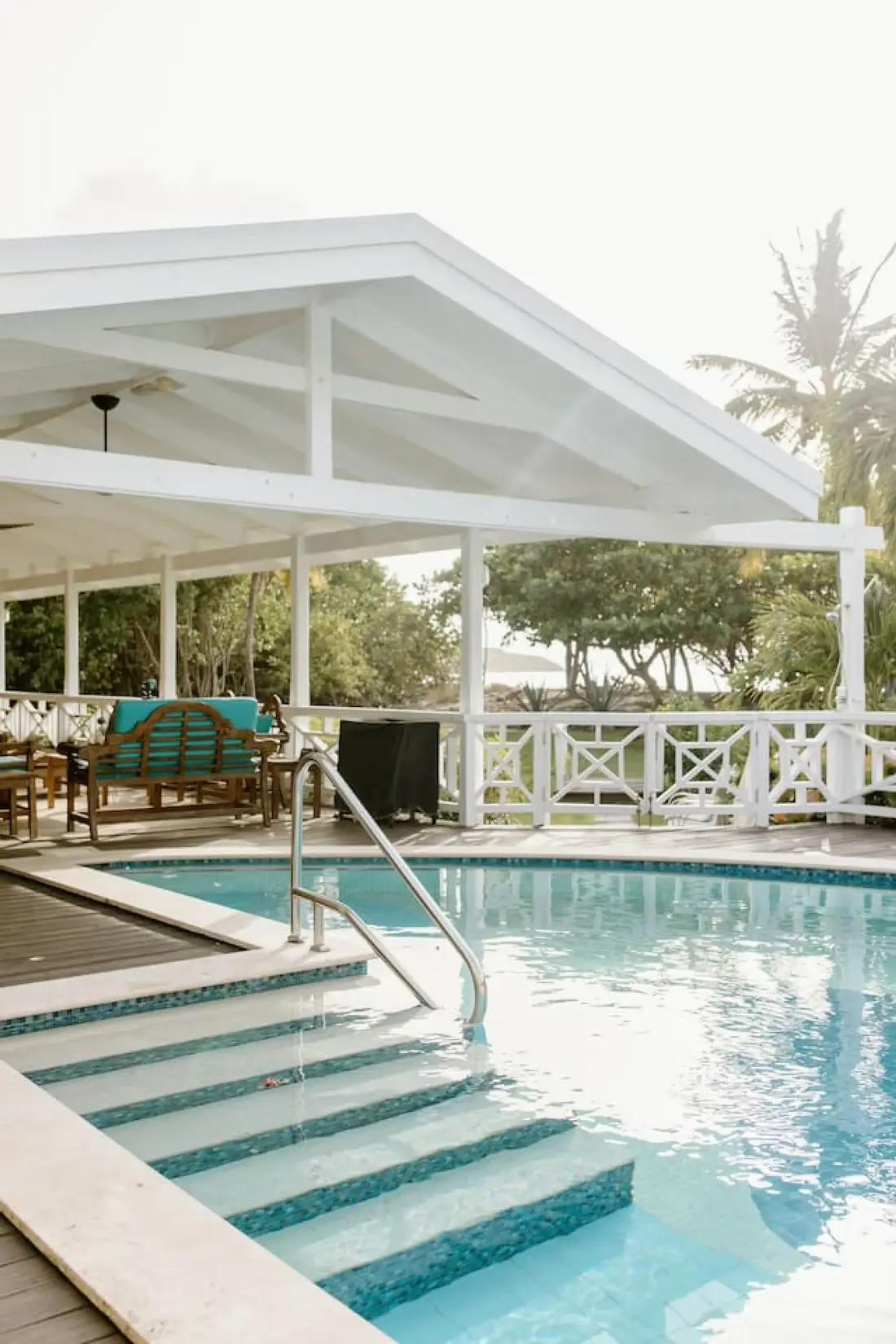 Shoy's Beach House6 bd · 6 ba · sleeps 12 · Christiansted
More in Food & Drink
Sources
11 references, listed in full at the end of this guide — official park, refuge, tourism-board and business sources, checked August 2026.