Mutiny Island Vodka at Sion Farm
The world's first breadfruit vodka, distilled in a former dairy plant by chef Todd Manley — free weekday tours and a tasting-room bar.
Sion Farm Distillery, mid-island on St. Croix, makes Mutiny Island Vodka — the world's first vodka distilled from breadfruit, and by the company's own account still the only one. Chef Todd Manley launched the brand in 2017 and opened the distillery inside the old Island Dairies plant in August 2019; the flagship pour took a gold medal at the 2022 San Francisco World Spirits Competition. This page is the full reference: what the vodka is, the colonial breadfruit history behind the name, how a starchy fruit becomes a clean spirit, the food-security mission the brand is built on, the two places you can taste it with hours at last check, what to buy and how to fly it home, and where the distillery fits on the island's drink trail.
What Mutiny Island Vodka is
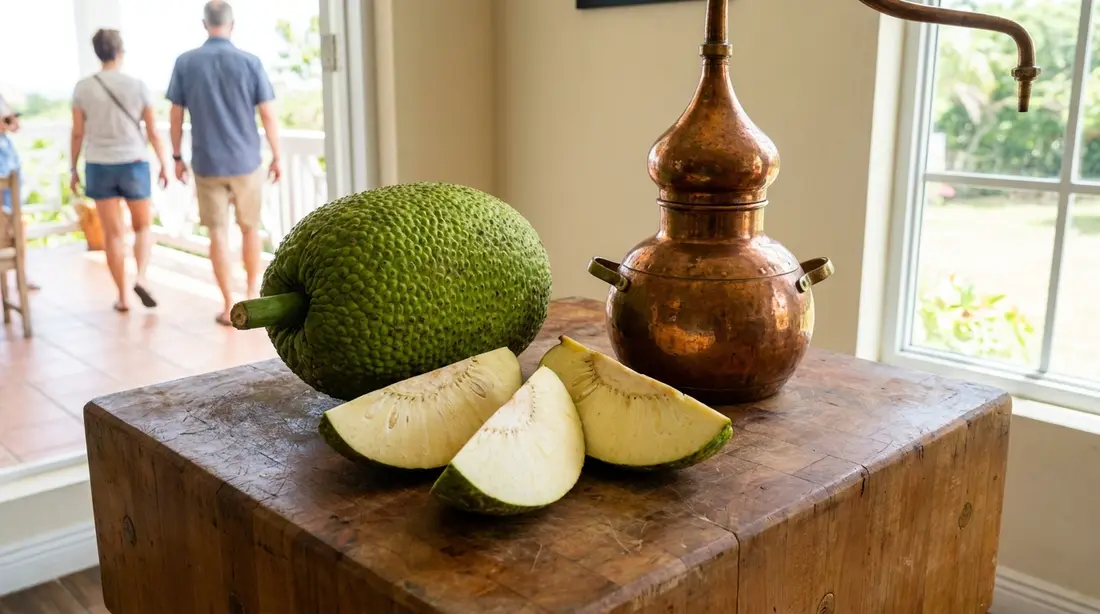
Mutiny is a small St. Croix spirits brand with one signature product and a distinctive base ingredient. Where the island's rum comes from sugarcane molasses, Mutiny starts from breadfruit — the heavy, starchy fruit that has fed Caribbean households for two centuries. The result is an 80-proof vodka the maker describes as clean and slightly fruity, with tasting notes of citrus, melon and green banana. It is charcoal-filtered and cut with rainwater collected on site, and it is unaged, so there is no barrel program and no color; the character comes from the fruit and the filtration, not from oak.
The operation has two public faces. The working distillery sits at Sion Farm, roughly in the middle of the island, where free tours run and a bar and kitchen serve cocktails and food. A second, smaller tasting room called The Mill sits on the Christiansted boardwalk, in a restored sugar mill by the water. Both pour the same range. The distillery is the one to visit if you want to see how the vodka is actually made.
The Bounty, the breadfruit, and the name
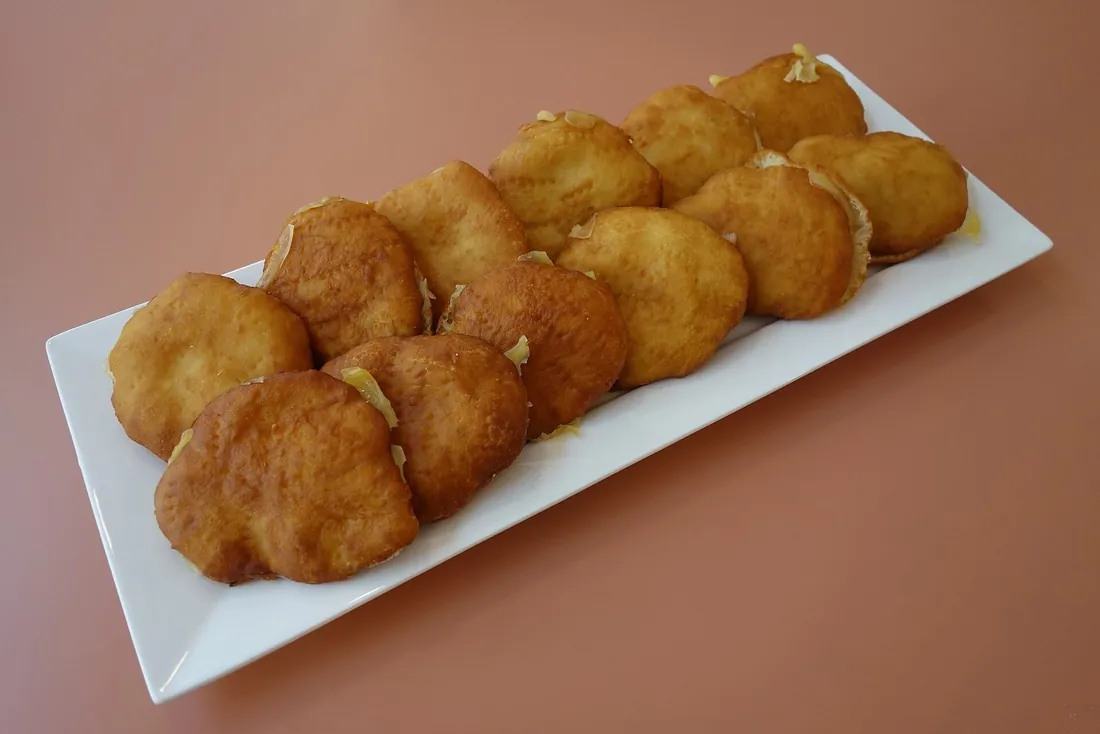
The name carries a real history, and the brand leans into it. In 1787 the British ship HMS Bounty sailed for Tahiti under Lieutenant William Bligh to collect breadfruit saplings. The plan was colonial economics: breadfruit was a cheap, high-calorie crop, and the plantation owners of the West Indies wanted it as low-cost food for the people they had enslaved. That first voyage never delivered a single plant. In 1789, on the return leg, Fletcher Christian led the famous mutiny, set Bligh adrift in a launch, and took the ship. Bligh survived an open-boat journey of thousands of miles, returned to England, and sailed a second expedition on HMS Providence in the early 1790s that finally carried breadfruit to St. Vincent and Jamaica.
So breadfruit reached the Caribbean through one of the most famous naval revolts in history, and it took root across the islands, including St. Croix, where boiled breadfruit became a standard "provision" on the plate alongside cassava and yams. The brand frames its name as a nod to both sides of that story: the crew who completed the agricultural mission, and the spirit of people who broke with convention to build an island life on their own terms. It is a marketing story with an accurate historical spine, which is more than most bottles can claim.
The founders and the 2019 opening
Mutiny is the idea of Todd Manley, an award-winning chef long based on St. Croix, who wanted a spirit that grew out of the island's own larder rather than an imported recipe. He founded the brand in 2017 with Chris Richeson, the head of Chesapeake Bay Distillery in Virginia, who brought the production know-how. Manley's reasoning, given in interviews, was that breadfruit's deep Caribbean history made it the right raw material for a vodka meant to taste of the place.
The distillery they built occupies a building islanders already knew. The site at Sion Farm was Island Dairies, a beloved local dairy operation, and the founders kept that memory alive: the distillery includes a small history room that pays tribute to the old business. The grand opening was in August 2019. Because breadfruit is difficult to ferment, the early production runs were as much experiment as manufacturing — Manley has said the fruit "fights you" when you try to turn it into a mash — but the plant was designed from the start to scale, with reporting at the time describing capacity built toward roughly half a million bottles a year and a payroll of local jobs.
Breadfruit as a food-security crop
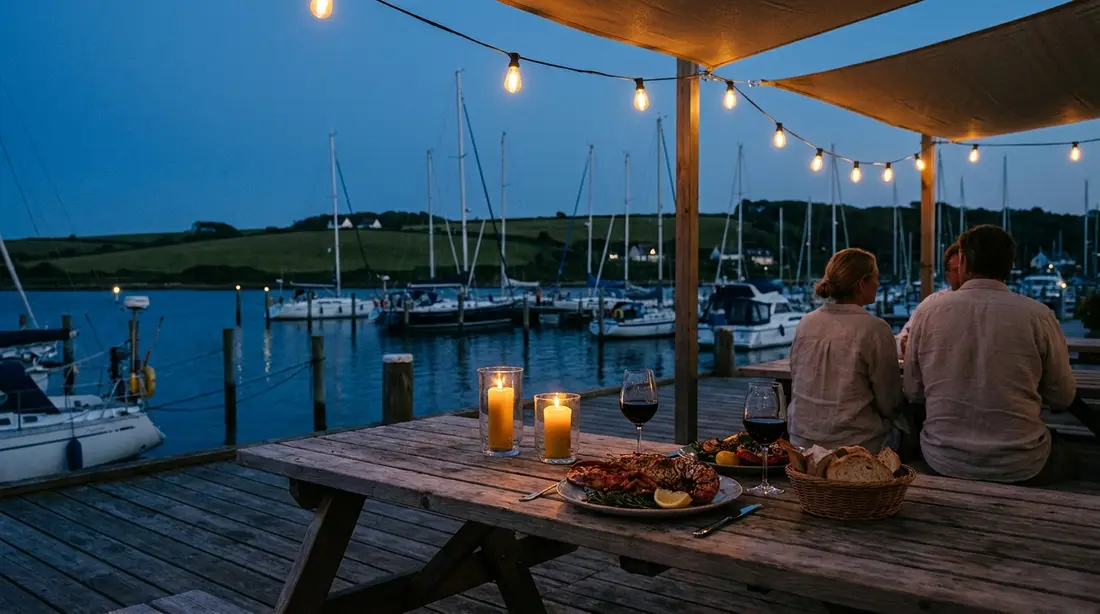
The sustainability angle is not decoration; it is the reason the brand exists in this form. Breadfruit is one of the most productive food plants in the tropics. A single mature tree can bear more than two hundred fruits in a year, it needs little tending once established, it tolerates drought, and it pulls carbon out of the air as it grows. The fruit itself is starchy, filling and nutritious, which is exactly why Bligh's employers wanted it and why agronomists today treat it as a serious answer to tropical food insecurity.
Mutiny ties its production to that cause rather than just borrowing the language of it. The company sources fruit locally, which turns a crop that often falls and rots underused into a paying harvest for island growers, and it directs support to breadfruit-planting work — naming the Trees That Feed Foundation, the Breadfruit Institute and a Caribbean tree-planting effort among its partners. Buying a bottle, in the brand's framing, helps fund more trees in the ground. Read the claim for what it is — a small distillery aligning itself with established breadfruit nonprofits, not the founder of those groups — and it holds up. The plain version is still a good one: a spirit made from a climate-resilient staple, sold partly to plant more of it.
How breadfruit becomes vodka
Turning breadfruit into vodka is harder than distilling from molasses, and the difference explains the whole operation. Sugarcane by-product is already sugar, ready to ferment. Breadfruit is starch, so it has to be broken down first, the way a whiskey distiller treats grain. At Sion Farm the fruit is cooked into a mush with water and enzymes; the enzymes convert the starch into fermentable sugar. Yeast then works that mash for roughly four to five days, producing a low-strength alcoholic wash. Because breadfruit is seasonal and ripens fast, the timing of production follows the fruit rather than a fixed factory calendar, which is part of why some flavors are made only in small runs.
From there the process is built for purity. The wash runs through one of the distillery's tall column stills — the plant has three distillation towers — which strips the spirit up to vodka strength and removes most of the heavier compounds. The high-proof result is then brought down to bottling strength with rainwater collected in the site's cisterns, and finished with a charcoal filtration that polishes it clean. What survives is a light, faintly fruity vodka; the green-banana note some tasters pick up is the fingerprint of the breadfruit that no other vodka carries. Visitors on the tour can see the copper still through a glass wall and walk the still room where the wash becomes spirit.
Rainwater, solar power, and zero waste
The plant is engineered to give as little back to the landfill and the grid as it can. Water comes from rain caught in cisterns rather than the municipal supply — a sensible choice on an island where water is expensive and desalinated. Solar panels carry part of the power load. And the distillery runs as a closed loop on its by-products: it describes itself as a zero-waste facility where the spent material left after distillation is reused rather than dumped, repurposed as nutrient-rich water that goes back into agriculture. For a spirit whose entire pitch is a sustainable crop, running the factory the same way is the consistent move, and it is one of the things guides point out on the walk-through.
The vodka and the flavored line
The core bottle is Mutiny Island Vodka at 80 proof, or 40 percent alcohol, priced around $20 for a 750 ml bottle at last check — inexpensive for a craft spirit, and deliberately so, since the brand wants it poured, not shelved. On top of the flagship the distillery makes a rotating set of flavored expressions, infused rather than aged. The steady flavors have included a Smoked Hot Pepper, a "ROOTS" bottling built on ginger and turmeric, and a Puerto Rican Coffee. Smaller micro-batches come and go with the seasons and the harvest; past limited runs have included Ginger Lime, Coquito, Summer Sorrel and Mango.
The flagship's headline credential is the gold medal it won at the 2022 San Francisco World Spirits Competition, one of the industry's most-watched blind judgings — a meaningful result for a spirit made from a fruit no major distiller uses. On its home island the vodka turns up behind bars across St. Croix and in Puerto Rico, and the brand has reached some mainland accounts as well. At the distillery's own bar it anchors a short cocktail list; ask for the house pours rather than trying to recreate a mainland drink, since the point is to taste what the breadfruit does. Being unaged and clean, it slots easily into the island's usual long drinks — mules, sea breezes, a bloody mary at Saturday brunch.
Facts at a glance
| Item | At last check |
|---|---|
| Product | Mutiny Island Vodka, 80 proof (40% ABV), unaged |
| Base | Breadfruit and St. Croix rainwater, charcoal-filtered |
| Founded / opened | Brand 2017; distillery opened August 2019 |
| Founders | Chef Todd Manley with distiller Chris Richeson |
| Distillery | Sion Farm (former Island Dairies), 4000 Sion Farm, Christiansted, mid-island |
| Tours | Free, walk-in, on the half-hour during opening hours |
| Distillery hours | Mon–Fri 11:30 a.m.–7:30 p.m.; Sat brunch 10 a.m.–2 p.m. |
| Boardwalk tasting room (The Mill) | Tue 3–7 p.m.; Wed–Sat 11 a.m.–7 p.m. |
| Award | Gold, 2022 San Francisco World Spirits Competition |
| Flavored line | Smoked Hot Pepper, ROOTS (ginger–turmeric), Puerto Rican Coffee, plus rotating micro-batches |
| Price | Around $20 per 750 ml for the flagship |
Hours, prices and the flavor lineup shift, and two different phone numbers circulate online, so confirm the current schedule on the official site or by calling before you build an afternoon around a visit.
Visiting the Sion Farm distillery
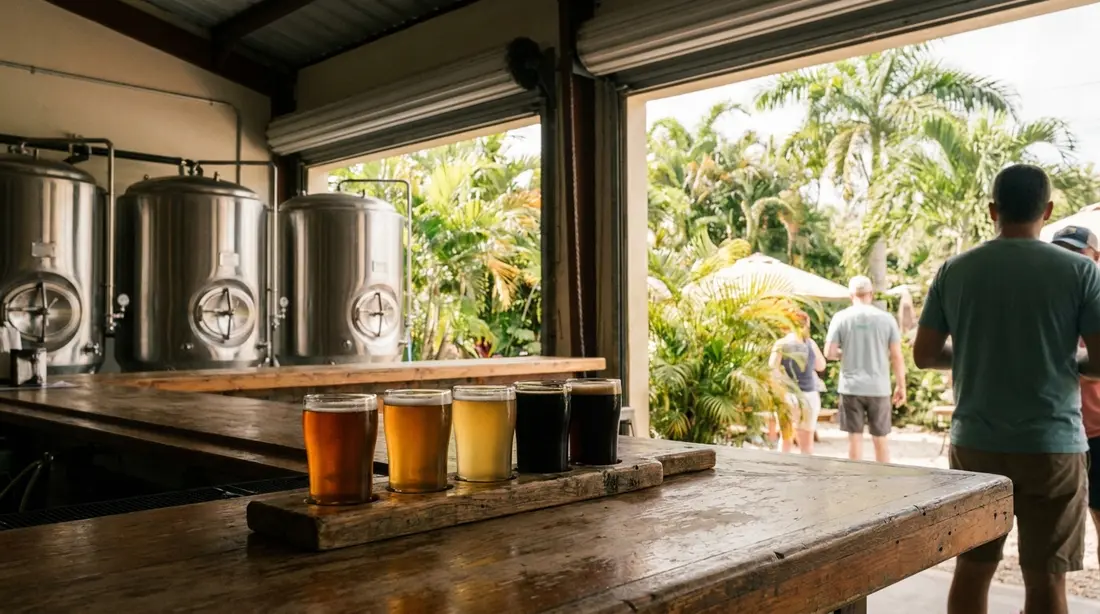
The distillery is the main event, and the visit is refreshingly low-friction. Tours are free and you do not book ahead; walk-in groups are taken on the half-hour through the open hours, so you turn up, wait for the next slot, and go. A guide walks you through the origin story and the breadfruit history, past the copper still behind its glass wall and through the still room, then into the history room that honors the old Island Dairies. The tour ends where you would hope, at the bar, with a tasting of the range and the chance to order cocktails.
Because the distillery is also a bar and kitchen, it works as a destination in its own right, not only a factory stop. At last check it was open Monday through Friday, 11:30 a.m. to 7:30 p.m., with a weekday happy hour in the late afternoon and a Saturday brunch from 10 a.m. to 2 p.m. The address is 4000 Sion Farm, in the Christiansted district but physically mid-island, close to the Sion Farm shopping area — a few minutes from the big supermarkets covered in our provisioning guide. You will want a car and a designated driver; there is no ride-hailing on St. Croix, and the drive home is on the left (see driving on the left).
The Mill on the Christiansted boardwalk
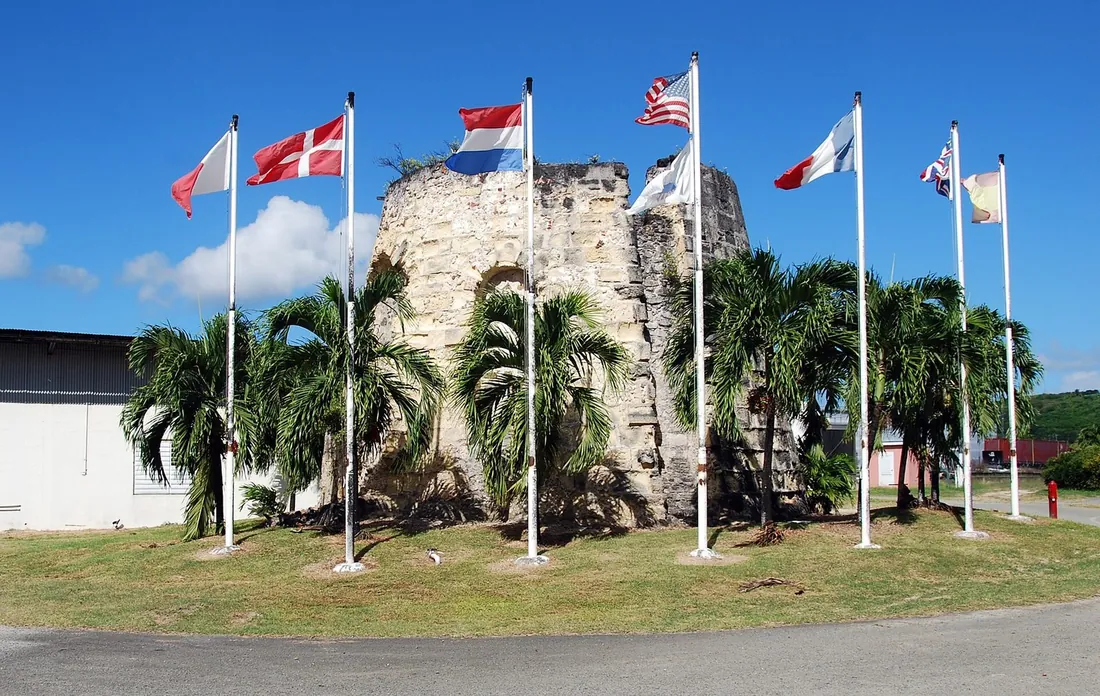
If you are spending an evening in town rather than driving mid-island, Mutiny keeps a second tasting room called The Mill, set inside a restored stone sugar mill right on the Christiansted boardwalk over the water. It pours the same vodka and cocktails in a smaller waterfront setting, with no tour attached — this is a place to drink, not to see the plant. At last check The Mill was open Tuesday from 3 to 7 p.m. and Wednesday through Saturday from 11 a.m. to 7 p.m. It sits within an easy walk of the town's restaurants and shops, so it folds neatly into a Christiansted evening; our Christiansted guide and Christiansted restaurants guide cover what else is within a few steps.
Buying, gifting, and flying it home
You can buy Mutiny at the distillery shop, at The Mill, at island liquor stores and larger supermarkets, and through the brand's website; on island it is easy to find, and a bottle makes a local gift because nothing else on the shelf is made from breadfruit. The more useful point for visitors is the customs math, because St. Croix sits outside the U.S. customs zone and the allowances are unusually generous. Each returning U.S. traveler of drinking age gets a $1,600 duty-free exemption out of the territory, and five liters of alcohol fit inside it — on the condition that at least four of those liters were bought from island shops and at least one was made in the territory. A bottle of Mutiny, distilled at Sion Farm, satisfies that island-made requirement on its own, the same way a Cruzan bottle does.
Go beyond five liters and the penalty is small: the overage from the USVI is taxed at a flat rate of about 1.5 percent plus federal excise, which comes to loose change on a $20 bottle. Spirits ride home in checked luggage, wrapped against breakage, never in your carry-on. The airport's federal inspection sequence happens on island before you fly, which is why you clear customs in St. Croix rather than on landing; the full walk-through of that process is in our no-passport guide, worth reading before you load the suitcase.
Where it sits on the St. Croix drink trail
St. Croix has four distinct makers worth a visit, and Mutiny is the outlier of the group — the only one not making a fermented-cane or grain product, and the only vodka. The other three each have a full guide of their own. Doing two or three in a day is easy, since they cluster mid-island and on the west end.
| Stop | What it makes | Visit style |
|---|---|---|
| Sion Farm Distillery (Mutiny) | Breadfruit vodka | Free walk-in tour + bar; second tasting room on the boardwalk |
| Cruzan Rum Distillery | Molasses rum, since 1934 | Booked, paid tour of a working factory |
| Captain Morgan Visitor Center | Diageo industrial rum | Polished indoor exhibit center, weekdays only |
| Leatherback Brewing | Craft beer | Taproom, open daily, near the airport |
In one line each: the Cruzan Rum Distillery is the historic anchor, a genuine working plant where you smell the molasses and see the columns; the Captain Morgan Visitor Center is the corporate counterpoint, an air-conditioned exhibit hall at Diageo's mid-island plant, weekdays only; and Leatherback Brewing in Kingshill covers the beer leg with a daily taproom near the airport. The honorary bush-rum stop, the Mt. Pellier Domino Club in the rainforest, rounds the trail out with its house MamaWanna and its beer-drinking pigs.
A mid-island tasting day
The cleanest way to combine stops is a mid-island loop with a driver. Start early at Mutiny for the free tour while heads are clear, since it is the most process-heavy visit and the walk-in slots run through the day. From Sion Farm it is a short drive to the Captain Morgan Visitor Center, which keeps weekday hours and takes about an hour, and to Leatherback near the airport for a beer to reset the palate. Cruzan sits farther west and runs paid, timed tours, so if you want it in the same day, book its slot first and build the rest around it. Fold in lunch — a chef at the villa that night through our private chefs guide pairs well after an afternoon of tastings — and finish with a sunset drink at one of the beach bars. The one rule is a sober driver from the first pour; distances are short but the tastings add up.
Questions guests ask
Do we need a reservation for the tour?
No. Tours at the Sion Farm distillery are free and run for walk-in guests on the half-hour during opening hours, so you arrive, catch the next departure, and go. That is the opposite of Cruzan, which sells timed, paid tickets you should book in advance. If you are visiting with a group and want to be sure of timing, a phone call ahead never hurts, but it is not required the way it is at the other distilleries.
What does breadfruit vodka actually taste like?
Cleaner than the base ingredient suggests. The distillation and charcoal filtration strip most of the fruit's heaviness, leaving a light 80-proof vodka with faint citrus and melon notes and a green-banana edge that tasters often single out. It mixes the way any good vodka does, so it works in mules, bloody marys and long drinks; the distillery bar is the place to try it neat first and decide for yourself before buying a bottle.
Is there a difference between the distillery and the boardwalk spot?
Yes. The Sion Farm distillery, mid-island, is the working plant with the free tour, the still room, the history room and a full bar and kitchen. The Mill, on the Christiansted boardwalk, is a smaller waterfront tasting room that pours the same range with no tour attached. Visit Sion Farm if you want to understand how the vodka is made; drop into The Mill if you are already in town for dinner and want a cocktail by the water.
Can we bring the kids?
The distillery is a bar and restaurant as well as a tour, and families do visit; the tour itself is a walk through a small food-production facility, not a hazard course. The tasting is for adults of legal drinking age, and staff check identification. Use judgment as you would at any working plant, and remember there is no ride-hailing on island, so whoever tastes cannot be the one driving home afterward.
How much can we fly home, and does Mutiny count as local?
Within the $1,600 USVI exemption, an adult may carry five liters of alcohol, provided at least four liters were bought on island and at least one is territory-made. Mutiny is distilled at Sion Farm, so a bottle covers the island-made requirement outright. Beyond five liters you pay a small flat duty of about 1.5 percent plus excise — pennies on a $20 bottle. Everything travels in checked bags. The full customs walkthrough is in our no-passport guide.
Which distillery should we pick if we only have time for one?
It depends on what you want. For the deepest history and a real working-factory experience, choose Cruzan. For something free, quick, walk-in and one of a kind, choose Mutiny — no other distillery is turning breadfruit into vodka, and the story is the draw. If you have a free weekday and a driver, a mid-island pairing of Mutiny with the Captain Morgan center gives you both a small craft maker and a large industrial one in an afternoon.
Staying near the distillery
Sion Farm sits near the middle of St. Croix, which puts it within an easy drive of every one of our villas and condos. Guests on the East End and around Christiansted are closest, with the boardwalk's Mill tasting room a short trip from a dinner in town. From the west end, the distillery pairs naturally with a Cruzan visit on the same side of the island. Every home we manage has a full kitchen and bar, so the bottle you carry out of the tasting room has somewhere to pour before the rest of it flies home in the checked bag. Tell us your dates and we will help line up a driver for a tasting afternoon.
Sources
Written from official and first-party sources, checked August 2026. Hours, prices and event dates change — confirm before you go.
In this guide
Stay nearby
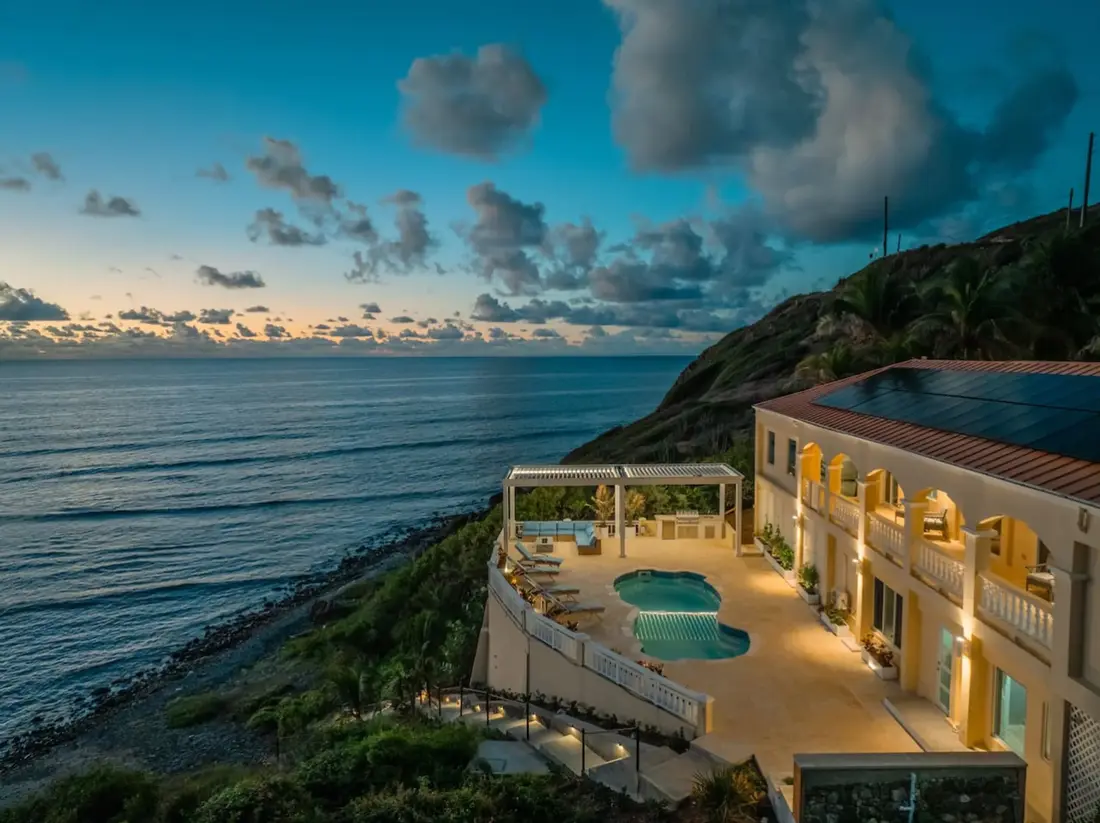
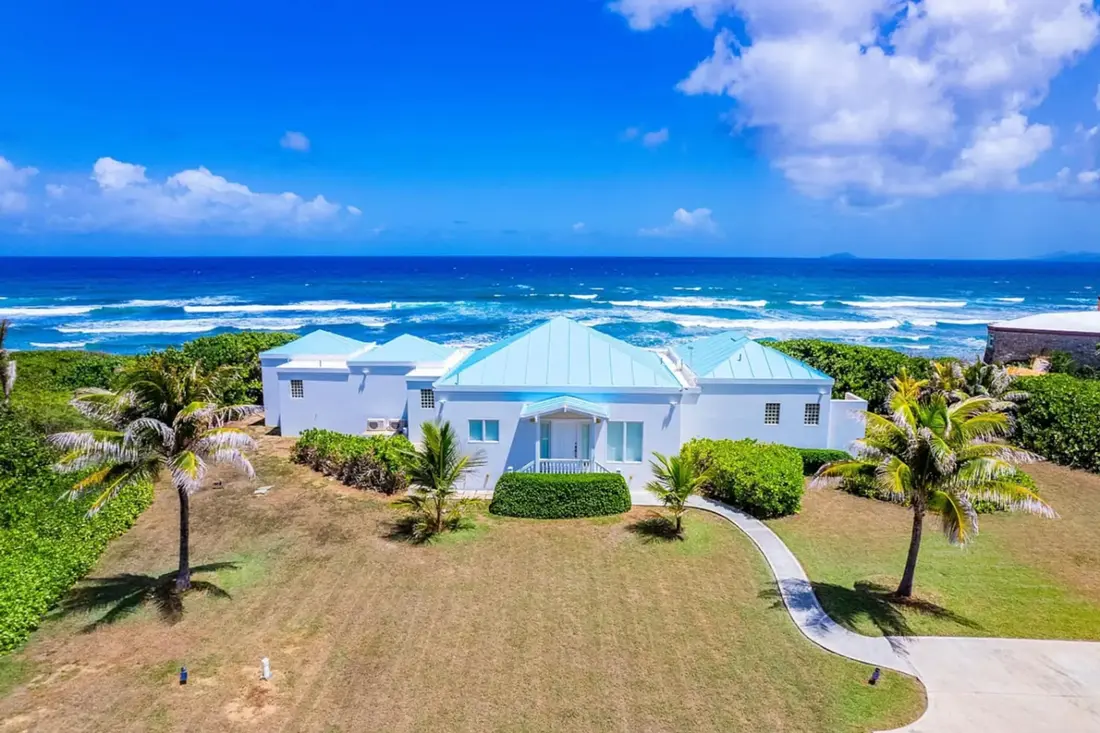
On The Shoys beach: six bedrooms, six baths, pool and hot tub, room for twelve, and the beach through the back garden.
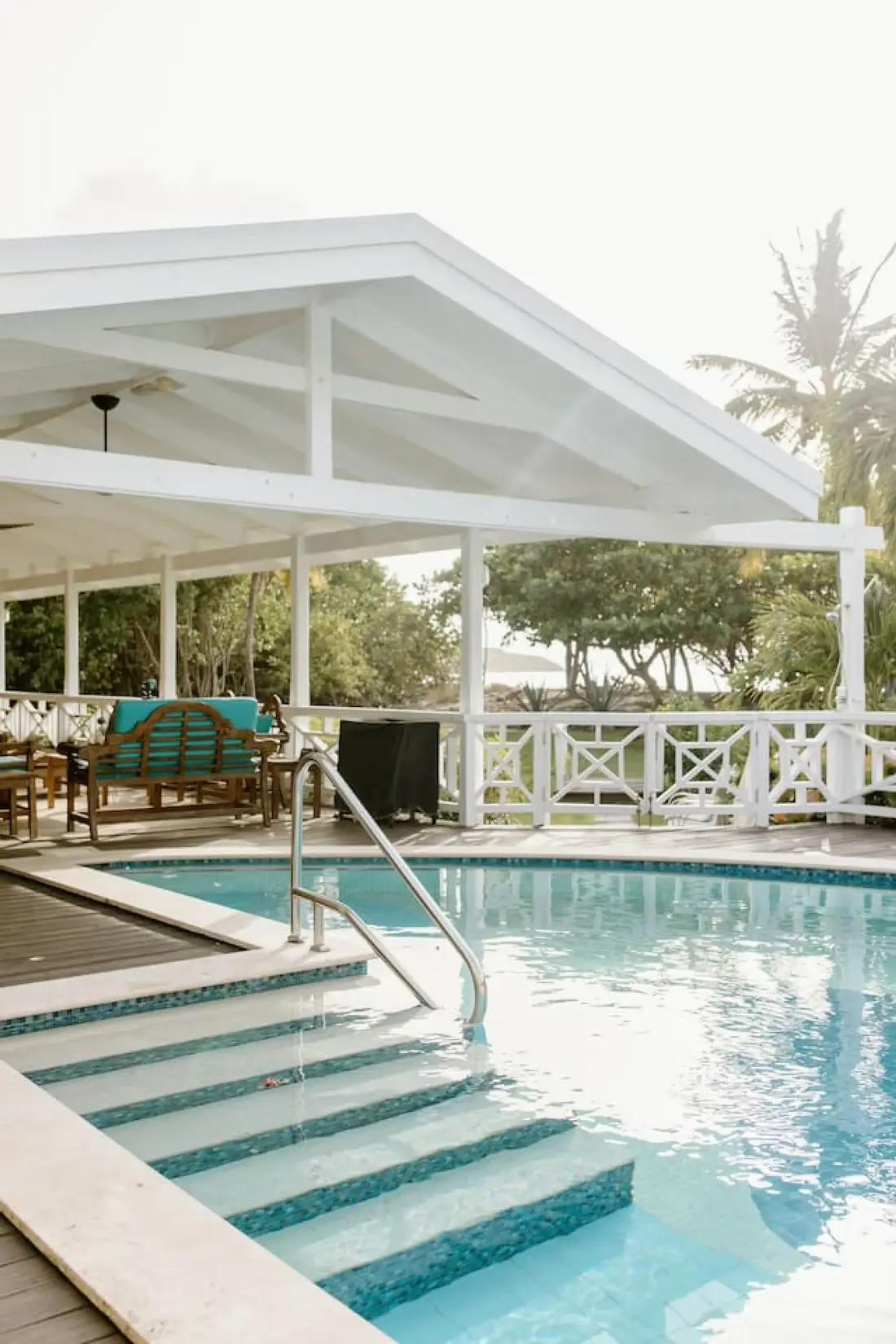 Shoy's Beach House6 bd · 6 ba · sleeps 12 · Christiansted
More in Food & Drink
Sources
10 references, listed in full at the end of this guide — official park, refuge, tourism-board and business sources, checked August 2026.